Techno Genres and Subgenres: 12 Types of Techno Explained (2026)
The main types of techno explained: Detroit, acid, minimal, dub, industrial, Berlin, peak time, hypnotic, melodic, hard techno, schranz and tech house, with tempo ranges, origins, key artists and a track to start with.


Updated: October 2026. This guide was rebuilt around the questions readers actually search for: the main types of techno, how fast each one is, where it comes from and which record to start with. It now has a comparison table, a tempo chart, twelve style profiles with verified videos, festival pointers and an FAQ. The illustrated images from the first version were replaced with real photographs.
The main types of techno are Detroit techno, acid techno, minimal techno, dub techno, industrial techno, Berlin techno, peak time techno, hypnotic techno, melodic techno, hard techno, schranz and tech house. They share a four-to-the-floor kick drum and machine-made sound, and they differ mainly in tempo (roughly 115 to 160+ BPM), texture and mood.
There is no official list of techno subgenres. Record shops, labels and DJs use these names as shorthand, and the borders move every few years. Techno Airlines, the techno and festival magazine, groups them here by sound and origin, with the tempo range each style usually sits in, the artists who defined it and one track to play first.
What are the main types of techno?
Twelve styles cover almost everything you will hear on a techno line-up in 2026. The table below sums each one up in a line; the sections further down explain them one by one, in roughly the order they appeared.
| Style | Typical BPM | Born | Sound in one line |
|---|---|---|---|
| Detroit techno | 120 to 135 | Detroit, mid 1980s | Soulful synth strings over drum machines |
| Acid techno | 130 to 145 | Chicago, Germany and London, late 1980s to 1990s | Squelching Roland TB-303 bass lines |
| Minimal techno | 120 to 128 | Detroit and Windsor, early 1990s | Few elements, small changes, deep groove |
| Dub techno | 115 to 125 | Berlin, early 1990s | Echoing chords, reverb and space |
| Industrial techno | 130 to 145 | Birmingham, mid 1990s | Distorted, metallic, abrasive |
| Berlin techno | 125 to 135 | Berlin, 1990s to 2000s | Dark, functional, long sets |
| Peak time techno | 128 to 138 | Europe, 2000s onwards | Big-room drive built for the main stage |
| Hypnotic techno | 125 to 135 | Europe, 2000s to 2010s | Rolling loops, low end, trance-like focus |
| Melodic techno | 120 to 128 | Germany and Italy, 2010s | Emotional melodies and long breakdowns |
| Hard techno | 140 to 160 | 1990s, revived after 2020 | Fast, loud, rave-driven |
| Schranz | 150 and above | Germany, late 1990s | Looped, percussive, relentless |
| Tech house | 124 to 128 | UK, 1990s | House groove with techno sound design |
Tempo ranges follow our techno BPM guide. They are typical ranges, not rules: a hypnotic DJ can play at 138 and a melodic set can drop to 118.
How many techno subgenres are there?
Nobody keeps an official count: most listeners and DJs work with ten to fifteen names, and new ones appear when a sound gets big enough to need its own label. Beatport, the largest download store for DJs, splits the genre into separate charts for peak time and driving techno, raw, deep and hypnotic techno, and hard techno, while melodic techno shares a chart with melodic house.
Many names overlap. “Dark techno” usually means peak time or hypnotic techno in a minor key; “deep techno” sits close to dub and hypnotic; “warehouse techno” describes a feel more than a sound. If you want the story of how the genre grew from one city to a global scene, read the evolution of techno music and our explainer on what techno music is.
What is Detroit techno?
Detroit techno is the original techno: machine-made dance music from Detroit in the mid 1980s that mixed the electronic precision of Kraftwerk with the feeling of funk and soul. Its sound is warm rather than cold, with synth strings, chords and melodies riding over Roland drum machines at around 120 to 135 BPM.
The style is credited to the Belleville Three: Juan Atkins, Derrick May and Kevin Saunderson. Atkins released “No UFO’s” as Model 500 on his Metroplex label in 1985, May recorded “Strings of Life” as Rhythim Is Rhythim in 1987, and Saunderson took the sound into the charts with Inner City. The second wave, led by Underground Resistance with Jeff Mills and Mike Banks, made it harder and more political. The full story is in our history of Detroit techno.
Start with: Rhythim Is Rhythim, “Strings of Life” (1987).
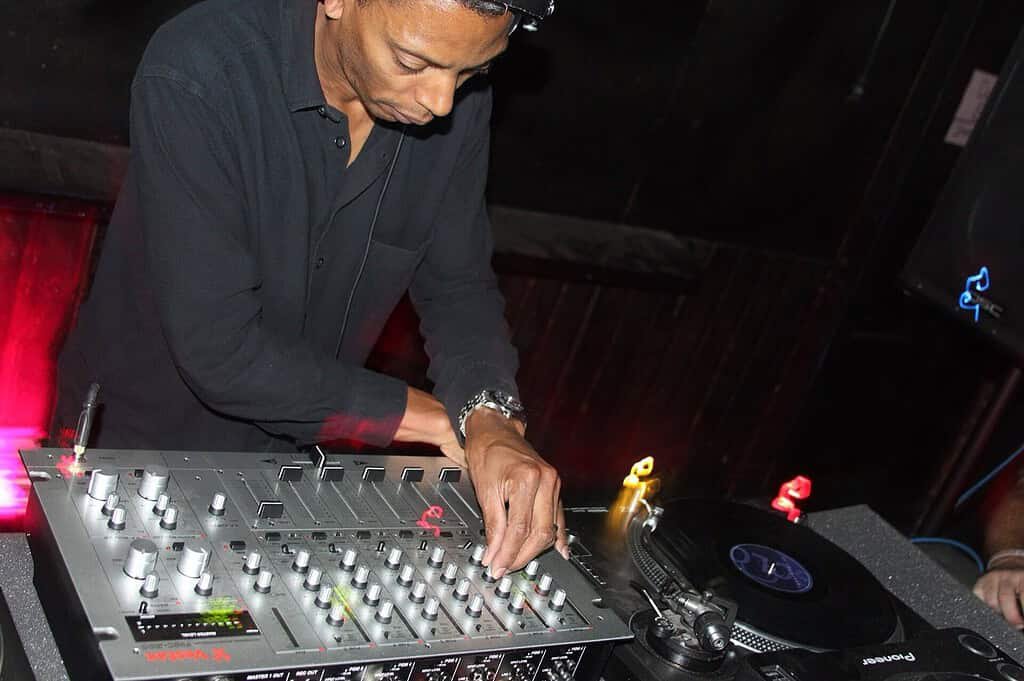
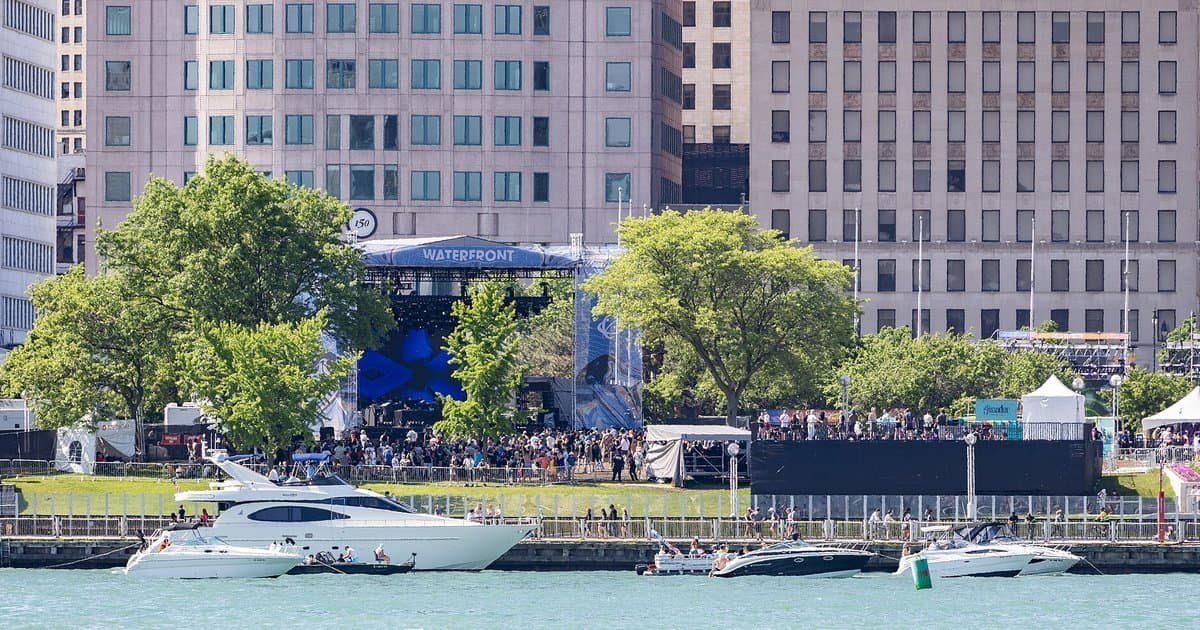
Hear it at home: Detroit’s own Movement festival returns over Memorial Day weekend 2027, and our city guide to Detroit’s techno clubs covers the rest of the year.
What is acid techno?
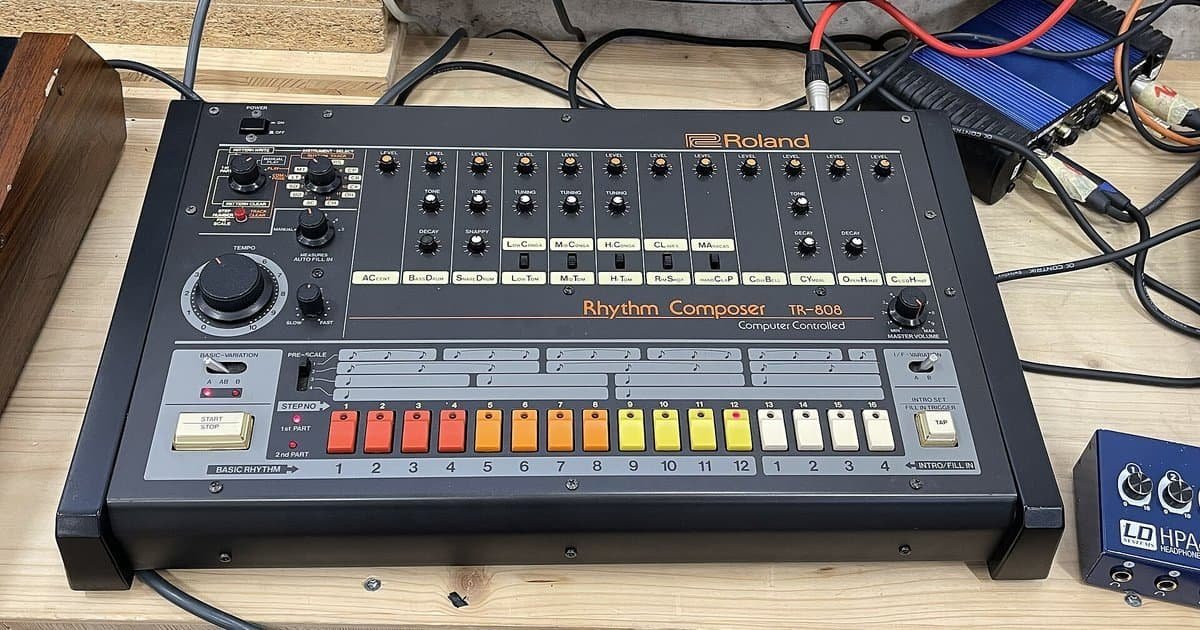
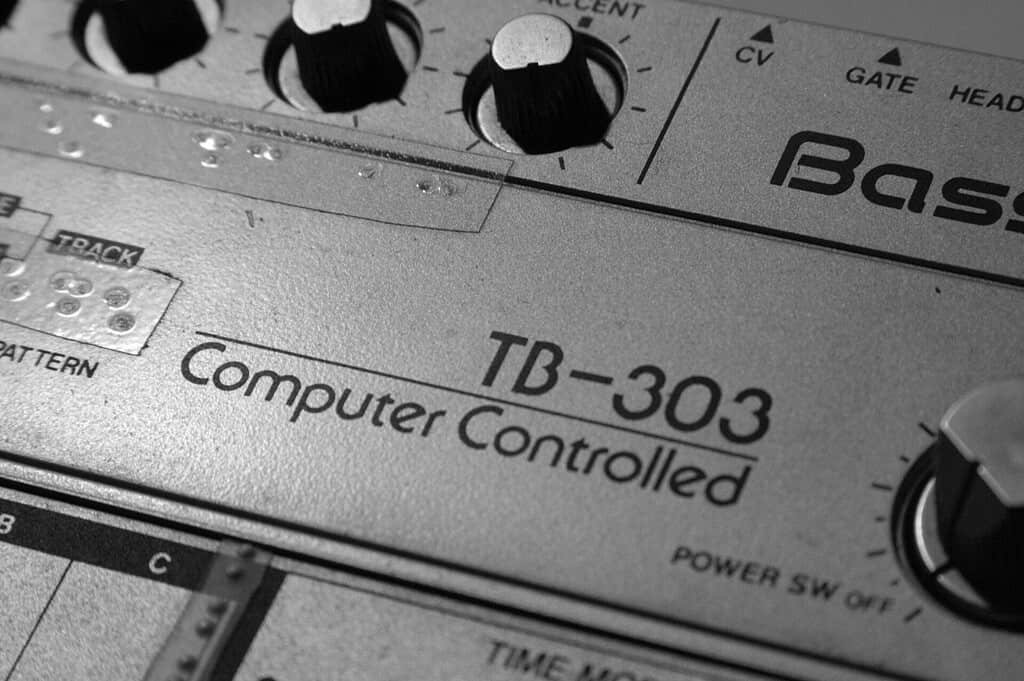
Acid techno is techno built around the Roland TB-303 Bass Line, a small synthesizer whose resonant filter produces the squelching, twisting “acid” sound. It is usually faster and rougher than Detroit techno, around 130 to 145 BPM, and grew out of the free party and rave scenes.
The sound began in Chicago with Phuture’s “Acid Tracks” in 1987, which is still filed under acid house. German duo Hardfloor pushed it into techno with “Acperience 1” in 1992, Philadelphia’s Josh Wink made it a crossover hit with “Higher State of Consciousness” in 1995, and London squat parties led by DJs such as Chris Liberator gave “acid techno” its name as a separate, harder scene.
Start with: Josh Wink, “Higher State of Consciousness” (1995), then go back to Phuture.
What is minimal techno?
Minimal techno is techno stripped down to a few sounds, where the interest comes from small changes in rhythm, filter and texture rather than big drops or melodies. It usually sits between 120 and 128 BPM and rewards long, patient sets on a good sound system.
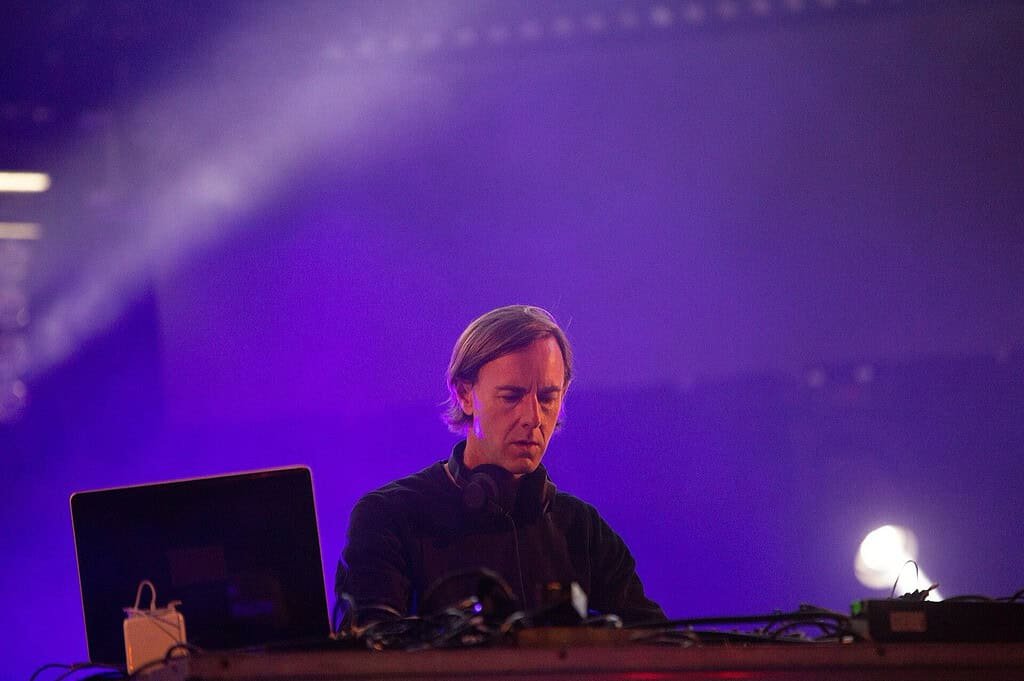
Detroit producer Robert Hood, an early Underground Resistance member, set the template with his 1994 album Minimal Nation. Across the river in Windsor, Canada, Richie Hawtin took it somewhere stranger as Plastikman, and in the 2000s Ricardo Villalobos and the Berlin and Frankfurt scenes made a slower, clickier version that dominated clubs for a decade. For more names, see our guide to minimal techno DJs.
Start with: Robert Hood, “Minus”, and Plastikman, “Spastik” (1993).
What is dub techno?
Dub techno is techno slowed down and filled with space: a steady kick, a single chord bounced through long echoes and reverb, and a hiss of texture underneath, borrowing its studio methods from Jamaican dub reggae. It is the gentlest style in this list, typically 115 to 125 BPM.
The sound was defined in Berlin in the early 1990s by Basic Channel, the duo of Moritz von Oswald and Mark Ernestus, whose records came out of the Hard Wax shop and its labels. Detroit’s Rod Modell continued the line as DeepChord, and dub techno remains the go-to sound for warm-up sets, after-hours rooms and headphone listening.
Start with: Basic Channel, “Phylyps Trak” (1993).
What is industrial techno?
Industrial techno is techno with the distortion turned up: metallic percussion, overdriven kicks and noise borrowed from industrial music and EBM, usually between 130 and 145 BPM. It sounds deliberately harsh, and its best records feel physical rather than pretty.
Its home city is Birmingham, where Surgeon and Regis, co-founder of the Downwards label, built a raw, mechanical sound in the mid 1990s; together they later recorded as British Murder Boys. A second wave in the 2010s brought London’s Perc and his Perc Trax label, and Berlin’s Ancient Methods.
Start with: Perc, “Look What Your Love Has Done To Me”, then a full Surgeon set.
What is Berlin techno?
Berlin techno is less a strict subgenre than the sound of the city’s clubs since the Wall came down: dark, functional techno at around 125 to 135 BPM, played in long sets for crowds who stay for hours. It draws on Detroit, dub and industrial techno at once.
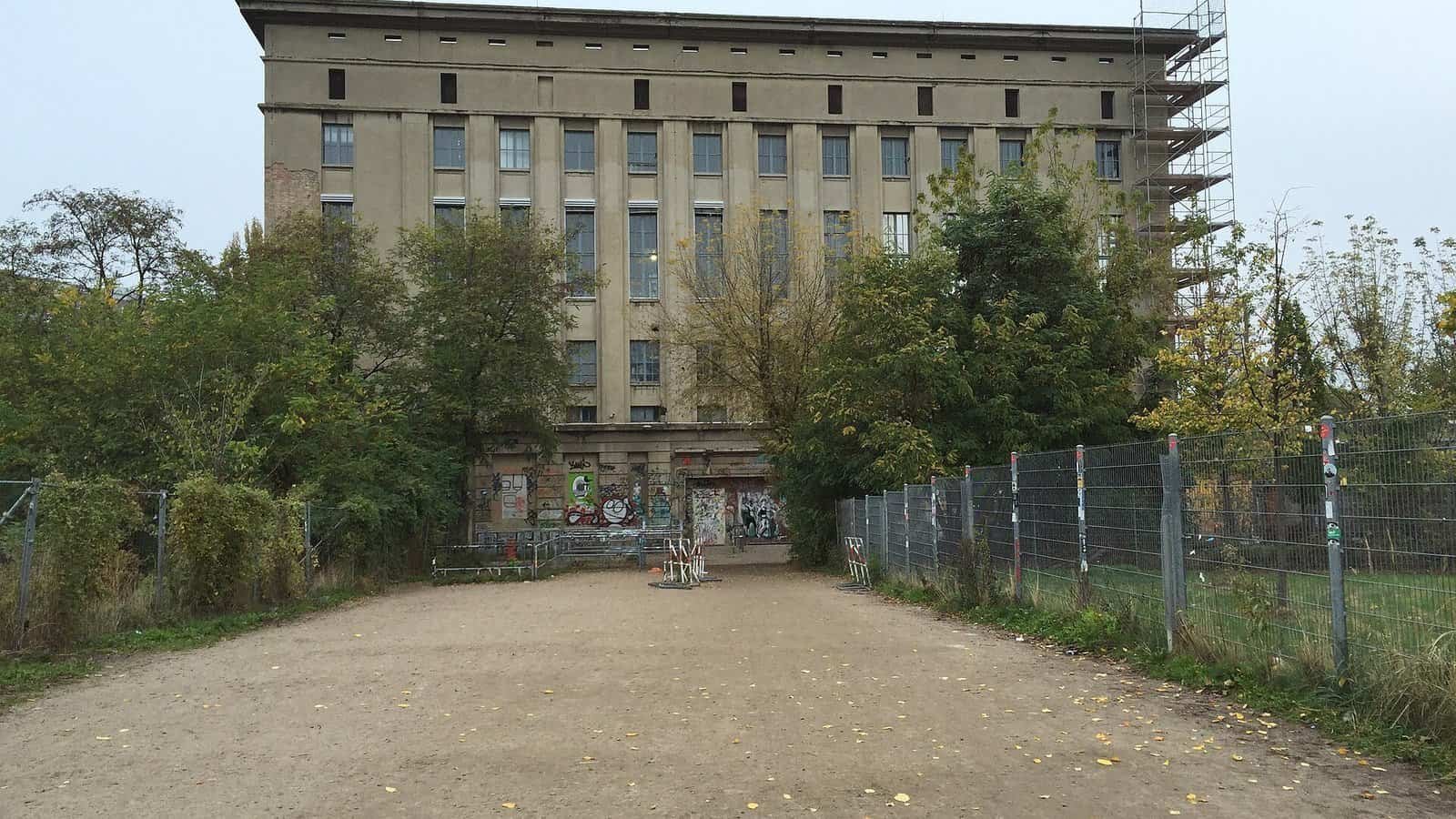
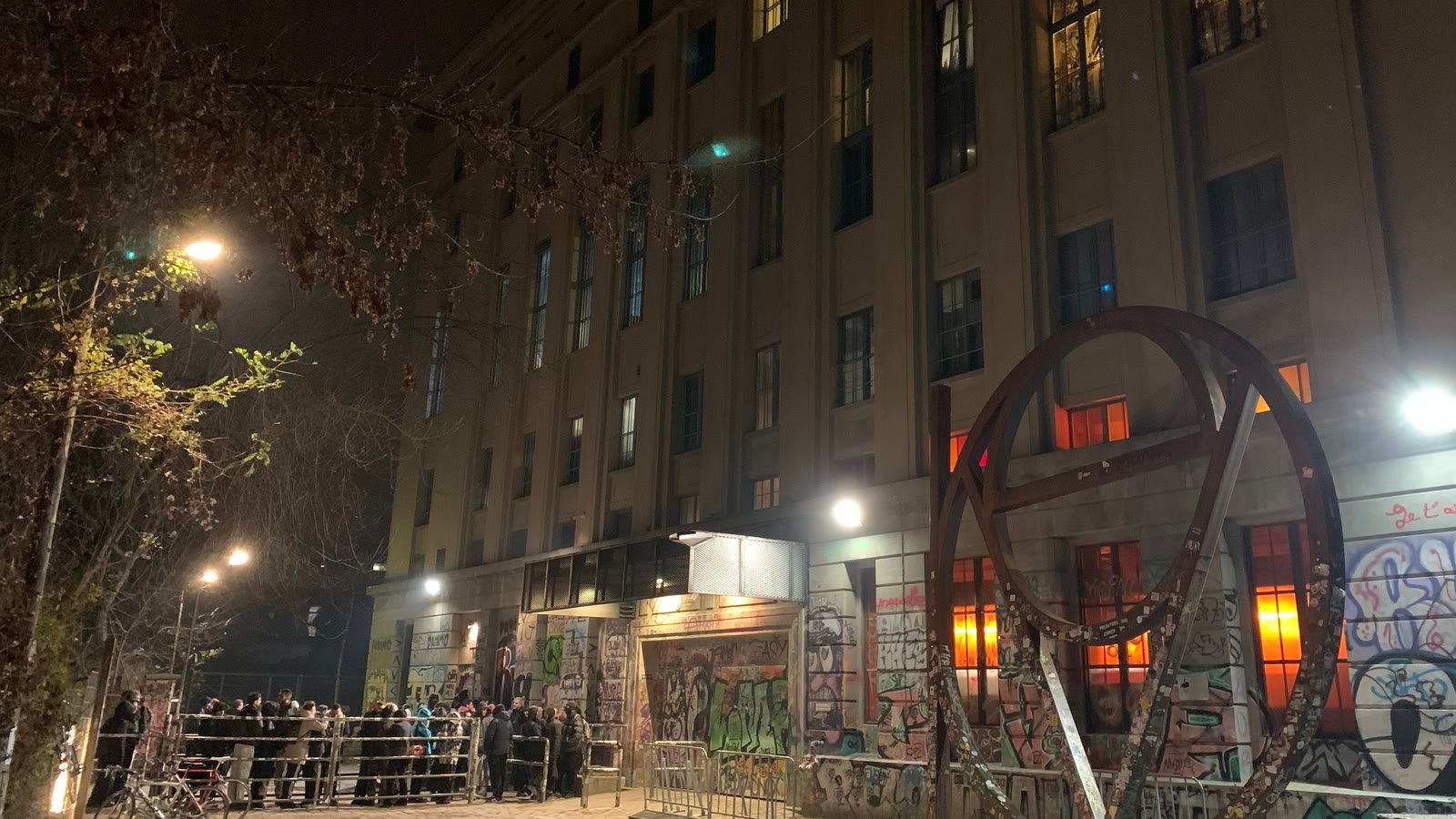
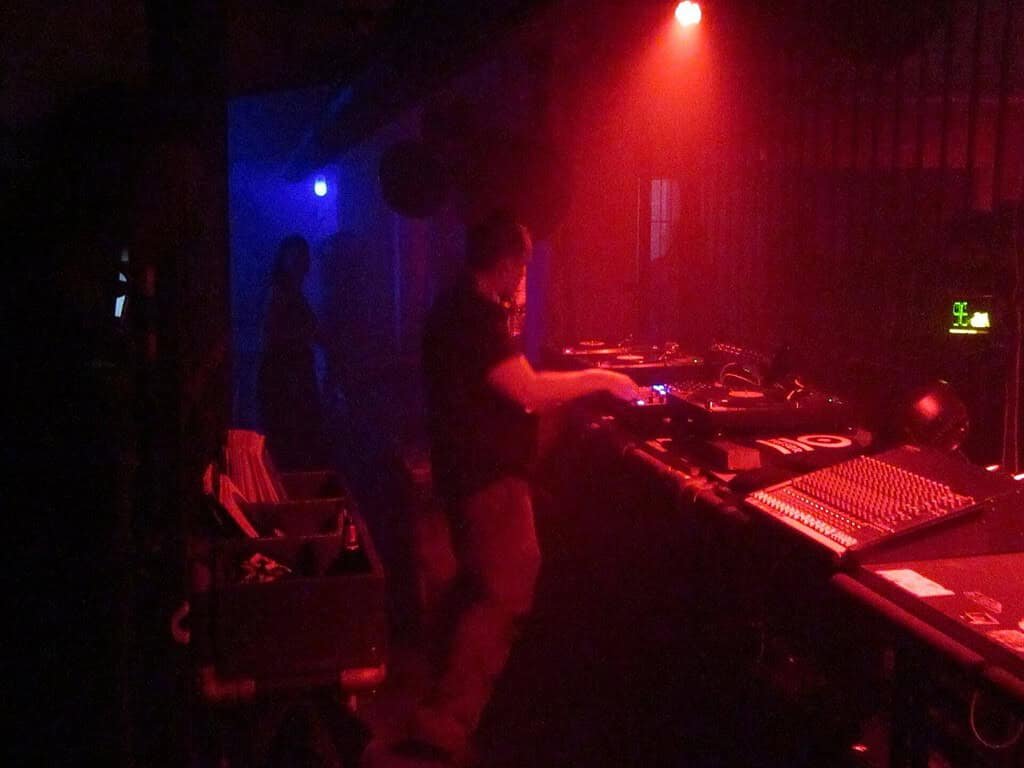
The story starts at Tresor, which opened in 1991 in the old vault of a department store near Potsdamer Platz and released Detroit artists on its own label. From 2004 Berghain, and later its label Ostgut Ton, gave the sound a new generation of residents, among them Marcel Dettmann and Ben Klock. In March 2024 Berlin’s techno culture was added to Germany’s national inventory of intangible cultural heritage, which we covered in this report.
Start with: Marcel Dettmann, “Corebox”.
What is peak time techno?
Peak time techno, also called driving techno, is the big-room sound of modern festivals: punchy kicks, rolling bass, short vocal hooks and builds designed for the busiest hour of the night, usually 128 to 138 BPM. Beatport gives it its own chart, “Techno (Peak Time / Driving)”.
Its best-known home is Adam Beyer‘s Drumcode label from Stockholm, and today’s headliners include Charlotte de Witte with her label KNTXT and Amelie Lens. When people say “festival techno” they usually mean this.
Start with: Charlotte de Witte, “Doppler”.
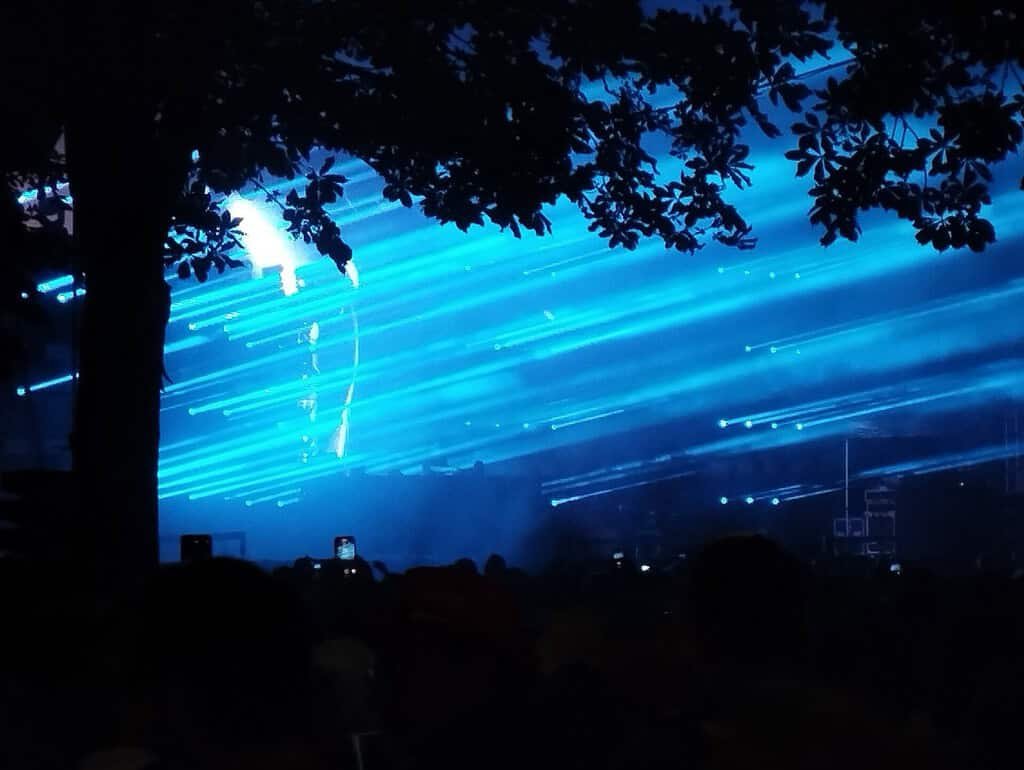
What is hypnotic techno?
Hypnotic techno uses long, slowly shifting loops, deep low end and very little melody to pull a dancefloor into a trance-like focus, usually at 125 to 135 BPM. Beatport files it under “Techno (Raw / Deep / Hypnotic)”, and many DJs use raw, deep and hypnotic almost interchangeably.
Spain’s Oscar Mulero and Italy’s Donato Dozzy are its reference points, and the sound connects naturally to dub techno and to the long Berlin sets of Ben Klock. The forest stages of Draaimolen in Tilburg are one of the best places to hear it at length.
What is melodic techno?
Melodic techno puts melody and emotion at the centre: arpeggios, cinematic chords and long breakdowns over a techno groove, usually at 120 to 128 BPM. It is the most accessible style on this list and the one most often heard at sunrise and on large visual stages.
Stephan Bodzin‘s 2015 album Powers of Ten set much of its tone, and Tale Of Us built a global brand around it with their Afterlife label and events. In the 2020s Anyma pushed it into arena shows, a shift we looked at in melodic techno’s visual era. Beatport files it together with melodic house, which is why purists sometimes argue about whether it is techno at all.
Start with: Stephan Bodzin, “Powers of Ten”.
What is hard techno?
Hard techno is the fastest mainstream form of techno, typically 140 to 160 BPM, with distorted kicks, rave stabs and very little space between hits. It existed in the 1990s, but a revival after 2020, spread largely through short videos on TikTok and Instagram, took it from warehouse parties to festival main stages.
New names such as Sara Landry, I Hate Models and Indira Paganotto lead this wave; in 2024 Sara Landry became the first hard techno DJ on Tomorrowland’s main stage. Our report on hard techno listening in the US tracks how far the style has spread. Its home festival is Verknipt in Utrecht.
Schranz is the extreme end: a German term from the late 1990s for looped, heavily percussive techno at 150 BPM and above, associated with DJs such as Chris Liebing. Much of today’s hard techno borrows from it.
Start with: a full Sara Landry set.
Is tech house a type of techno?
Tech house is a hybrid rather than a pure techno subgenre: it takes the swing, basslines and vocal hooks of house music and dresses them in techno’s drum machines and sound design, usually at 124 to 128 BPM. Beatport and most record shops file it separately from techno.
Carl Cox, Green Velvet and Joris Voorn move between both worlds, and CamelPhat and Elderbrook’s “Cola” (2017) showed how far the style can cross over. The labels behind the sound are listed in our guide to tech house labels; for the wider split between scenes, see EDM vs techno.
How can you tell techno subgenres apart?
The quickest way to identify a techno style is to listen for four things in the first minute: tempo, the bass, whether there is a melody, and how much space there is between sounds.
- Tempo: below 125 BPM points to dub, minimal or melodic techno; 128 to 138 to peak time, Berlin or hypnotic; above 140 to hard techno or schranz.
- Bass: a squelching, filter-sweeping line is acid; a distorted, clipped kick is industrial or hard techno; a soft, rounded pulse is dub or minimal.
- Melody: strings and chords that feel human suggest Detroit; long emotional arpeggios suggest melodic techno; almost no melody suggests hypnotic, minimal or Berlin techno.
- Space: echoes and reverb filling the gaps is dub; loops that barely change over five minutes are hypnotic; a busy, layered drop built for a crowd is peak time.
A practical route for newcomers: start with Detroit to understand the roots, jump to peak time and melodic techno for the festival sound, then go deeper into dub, minimal and hypnotic once you are hooked. Our list of 20 techno artists every beginner should know and the best DJ sets in techno history work as listening homework, and the most influential techno labels show which imprint stands for which sound.
Where can you hear each techno style live?
Most big festivals mix several styles, but each has a reputation. These are confirmed future editions in the Techno Airlines festival calendar:
- Detroit techno: Movement, Detroit, 2027.
- Peak time techno: Awakenings Festival, Hilvarenbeek, 2027, Time Warp, Mannheim, 2027 and Drumcode, Barcelona, November 2026.
- Hypnotic, dub and deeper sounds: Draaimolen, Tilburg, 2027.
- Hard techno: Verknipt, Utrecht, 2027.
- Everything at once: Sónar, Barcelona, 2027 and Nature One, Kastellaun, 2027.
For clubs, our techno clubs directory lists addresses, door policies and sound systems city by city.
What this guide does not cover
This page is about techno and its direct offshoots. House, trance, drum and bass, electro and EDM are separate genres with their own histories, even when they share a festival bill; start with what EDM is for the wider picture. Tempo ranges are typical values from DJ practice and store categories, not fixed definitions, and the artist lists are starting points rather than complete rankings.
Frequently asked questions
What are the main types of techno?
The most common types of techno are Detroit, acid, minimal, dub, industrial, Berlin, peak time, hypnotic, melodic and hard techno, plus schranz at the extreme end and tech house as a hybrid with house music.
What is the fastest techno subgenre?
Schranz and hard techno are the fastest. Hard techno usually runs at 140 to 160 BPM and schranz at 150 BPM and above, while dub and melodic techno sit around 115 to 128 BPM.
What is the difference between techno and tech house?
Techno is built on repetition, texture and a straight, driving kick. Tech house keeps techno’s sound design but adds the swing, groove and vocal hooks of house music, usually at a slightly slower 124 to 128 BPM.
Is melodic techno real techno?
Melodic techno uses techno’s tempo and drum programming, so most listeners count it as techno. Purists disagree because it relies on melody and emotional builds, and Beatport files it together with melodic house rather than in its techno charts.
Which techno subgenre should a beginner start with?
Detroit techno explains where the genre came from, and peak time or melodic techno are the easiest ways into the modern festival sound. Dub, minimal and hypnotic techno reward patient listening once you know the basics.
Sources: Techno Airlines techno BPM guide and festival calendar (October 2026); Beatport genre categories; Wikipedia articles on Detroit techno, Roland TB-303, Basic Channel and Tresor. Photos via Wikimedia Commons: Jeff Mills and Tresor by Angie Linder (CC BY-SA 2.0), TB-303 by Alexandre Dulaunoy (CC BY-SA 2.0), Richie Hawtin by Sven Volkens (CC BY-SA 4.0), Charlotte de Witte by ManoSolo13241324 (CC BY-SA 4.0).