EDM vs Techno: What Is the Difference?
Explore the key differences between EDM and techno, their origins, musical structures, BPM, and cultural impact within the world of electronic dance music.

The difference between EDM and techno is one of scale. EDM is the umbrella for all electronic dance music; in everyday use it means the big festival sound of build-ups, drops and vocal hooks. Techno is one genre inside it: born in Detroit in the mid-1980s, mostly instrumental, built on repetition and long DJ mixes rather than drops.
Updated: 12 October 2026
Most “EDM vs techno” searches compare the mainstage sound of artists like Martin Garrix and Tiësto with the club sound of Berlin and Detroit. The table sets them side by side; the sections after it cover origins, structure, scenes, and the two neighbours that cause the most confusion: electro and hypertechno.
| EDM (festival / mainstream sense) | Techno | |
|---|---|---|
| What the word means | An umbrella term for all electronic dance music; popularised as “EDM” by the US music industry in the early 2010s | One specific genre, named in 1988 with the UK compilation Techno! The New Dance Sound of Detroit |
| Origin | Grew out of house, electro and trance; the commercial “EDM era” peaked in the US in the first half of the 2010s | Detroit, mid-1980s: Juan Atkins, Derrick May and Kevin Saunderson (the Belleville Three) |
| Typical BPM | Around 128 for electro and big room house; about 140 for dubstep; 125 to 150 for trance | Mostly 125 to 140; hard techno runs 140 to 160 and beyond |
| Structure | Song form: intro, build-up, drop, breakdown, second drop; radio edits often around three minutes | Loop form: layers added and removed slowly, often over six to eight minutes, made to be mixed |
| Drops | The centre of the track; the crowd waits for it | Rare or subtle; tension comes from repetition and small changes |
| Vocals and melody | Common: hooks, toplines, sing-along leads | Uncommon: rhythm and texture come first |
| Scenes | Festivals, arenas, Las Vegas residencies, radio and streaming charts | Clubs, warehouses, all-night and all-weekend parties, techno festivals |
| Typical venues and events | Tomorrowland (Belgium), EDC Las Vegas, Ultra Miami | Berghain and Tresor (Berlin), Awakenings (Netherlands), Movement (Detroit), Time Warp (Germany) |
| Key artists | David Guetta, Tiësto, Martin Garrix, Calvin Harris, Swedish House Mafia, Skrillex | Juan Atkins, Derrick May, Jeff Mills, Richie Hawtin, Charlotte de Witte, Amelie Lens |
| How you experience it | Peaks and releases, big shared moments | A long, steady build where the night is the unit, not the track |
BPM ranges are working conventions from producers and DJs, not strict rules. Sources for every line are in the sections below.
What is the difference between EDM and techno?
The short version: EDM is a category, techno is a genre. But the word EDM has two lives, and that is where most of the confusion comes from.
In the broad, older sense, “electronic dance music” covers everything made for clubs, raves and festivals: house, techno, trance, electro, drum and bass, dubstep and the rest. In that sense techno is simply part of EDM, the same way jazz is part of “music”.
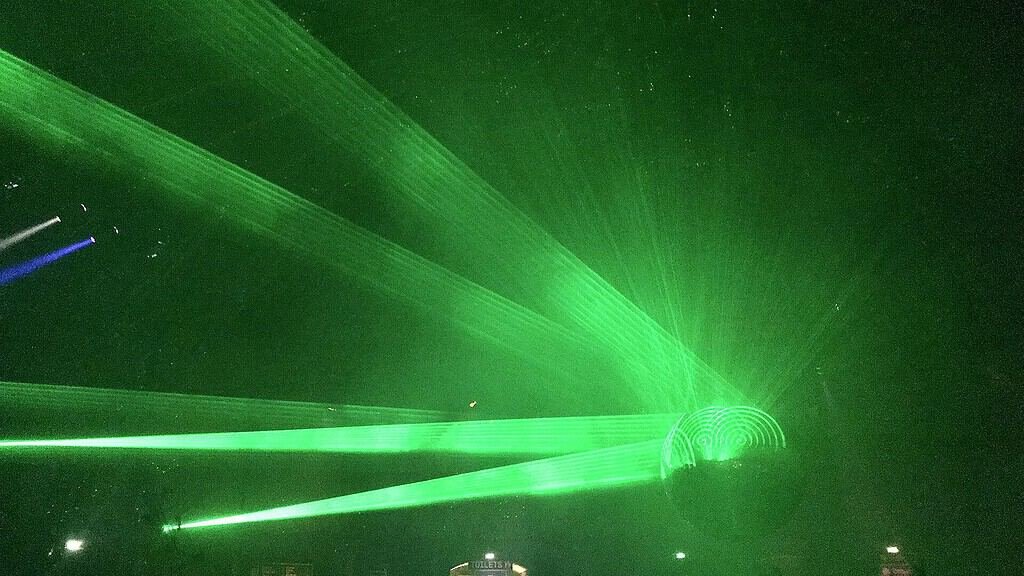
In the narrow sense, the one most people mean in 2026, EDM is the polished, festival-ready style that exploded in America around 2010. Think of electro house, big room house and dubstep-influenced pop crossovers, played on mainstages with fireworks and lasers. Wikipedia’s history of the term notes that by the early 2010s the initialism “EDM” was being pushed by the American music industry and press to rebrand US rave culture, even though the genres under it all predate the name.
Compared with that narrow EDM, techno is a different approach to the same tools. Both use drum machines, synthesisers and a kick on every beat. EDM organises those tools around a song with a payoff. Techno organises them around a groove that a DJ can stretch over hours. You can read more on each side in our explainers EDM: what is it? and techno music: what is it?
Is techno EDM, or are techno and EDM the same?
Techno is part of EDM in the umbrella sense, so the answer to “is techno EDM?” is technically yes. They are not the same thing, though, and most techno DJs and fans would not call their music EDM, because the word has come to mean the commercial festival sound.
The split is cultural as much as musical. When EDM boomed in the US, a number of established DJs, including Carl Cox, raised concerns that the “press play” approach of some newer acts did not represent the craft of DJing. In 2016, as the big room sound began to fade, David Guetta and Showtek even released a techno-influenced single called “The Death of EDM”. Since then the lines have softened: techno artists now play the biggest festival stages, and Charlotte de Witte’s official channel lists her closing set on the Tomorrowland Belgium main stage in 2025. We covered a similar moment in Sara Landry’s main stage debut at Tomorrowland.
Where did EDM and techno come from?
Techno: Detroit, 1980s
Techno started in Detroit in the first half of the 1980s. Juan Atkins, Derrick May and Kevin Saunderson, three friends who met at school in Belleville, a town about 30 miles from Detroit, mixed European synth-pop by Kraftwerk, Giorgio Moroder and Yellow Magic Orchestra with Black American styles such as funk, electro and Chicago house. Atkins recorded “Clear” (1983) and “Techno City” (1984) as part of Cybotron, and May’s “Strings of Life” (1987) became one of the first Detroit records to break through in Europe.
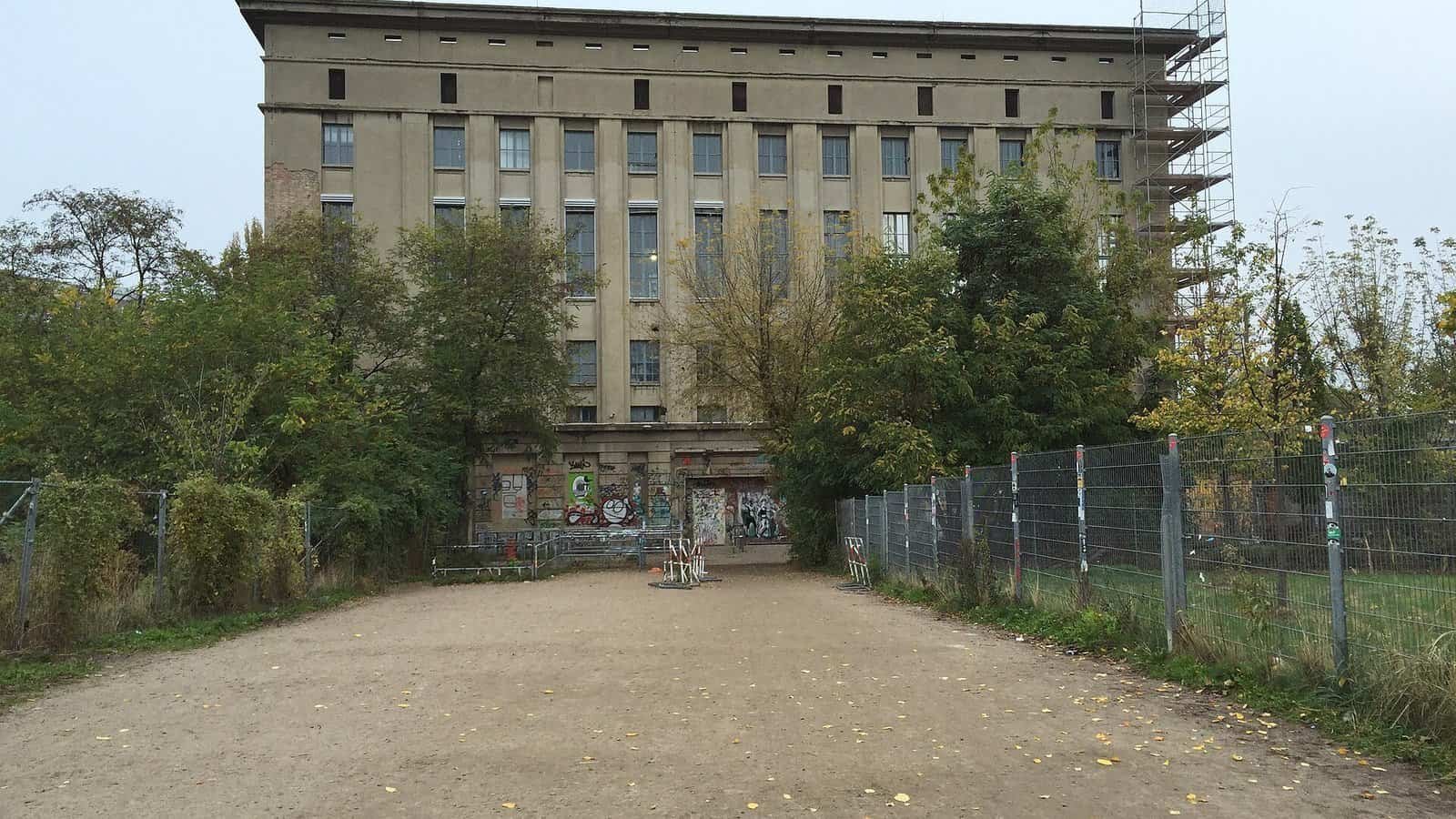
The word itself stuck in 1988, when the compilation Techno! The New Dance Sound of Detroit, assembled by Neil Rushton and Derrick May for Virgin’s 10 Records imprint, was released in the UK. From there the sound moved to Europe. In Berlin, after the fall of the Wall, Tresor opened in 1991 and became a home for Detroit producers; by 2007, Berghain was being described as possibly the world capital of techno. Our longer piece on the history and impact of Detroit techno goes deeper.
EDM: a 2010s name for an older family
Electronic dance music as a family reached mainstream popularity in Europe and Japan in the late 1980s and early 1990s, while in the US it stayed mostly regional. The American breakthrough came later. Tiësto soundtracked the athletes’ entrance at the 2004 Athens Olympics, Spin declared a “new rave generation” in 2011 led by David Guetta, Deadmau5 and Skrillex, and in January 2013 Billboard launched its Dance/Electronic Songs chart. Festival numbers grew with it: Wikipedia cites 165,000 attendees at Ultra Music Festival in Miami in 2014.
EDM vs techno: structure, drops and BPM
EDM is built around the drop
A typical festival EDM track follows a song shape. There is an intro, a build-up where the snare rolls faster and a riser climbs in pitch, a short silence, and then the drop: the moment the full bass and lead come in together. A breakdown follows, then a second build and a second drop. The structure is predictable on purpose: it lets a whole field react at the same second.
Martin Garrix’s “Animals” from 2013 is the textbook example of big room house: a sparse build, almost no lyrics, and a drop that carries the whole record. The official video runs a little over three minutes.
Techno is built around the loop
Techno works the other way round. A track usually starts with the kick drum and builds by adding and removing parts: a hi-hat pattern, a bassline, a filtered chord, a percussion loop. Changes are small and gradual. Vocals and melodies are uncommon, and conventional harmony is often replaced by short repeated sequences of notes. The track is a tool for the DJ, who blends one into the next so the dancefloor never hits a stop.
So the best way to hear techno is a full set, not a single track. Charlotte de Witte’s two-hour set at Awakenings Festival 2025, published by Awakenings, rises across the whole performance rather than in one drop.
BPM: closer than most people think
Tempo is not the clean dividing line it is often made out to be. Electro house, one of the core festival EDM styles, usually sits at 128 BPM within a 125 to 135 range. Most techno runs between 125 and 140 BPM, with the club sweet spot around 128 to 135. Where they really part ways is at the edges: dubstep sits almost always around 140 BPM with a half-time feel, while hard techno climbs from 140 to 160 BPM and beyond. Our guide to techno BPM for every style lists the full ranges.
In practice, a 128 BPM EDM track and a 128 BPM techno track feel nothing alike. The drums, the arrangement and the role of the vocal decide which side a record falls on, not the number.
Where you hear EDM and techno: scenes and venues
EDM: festivals, arenas and residencies
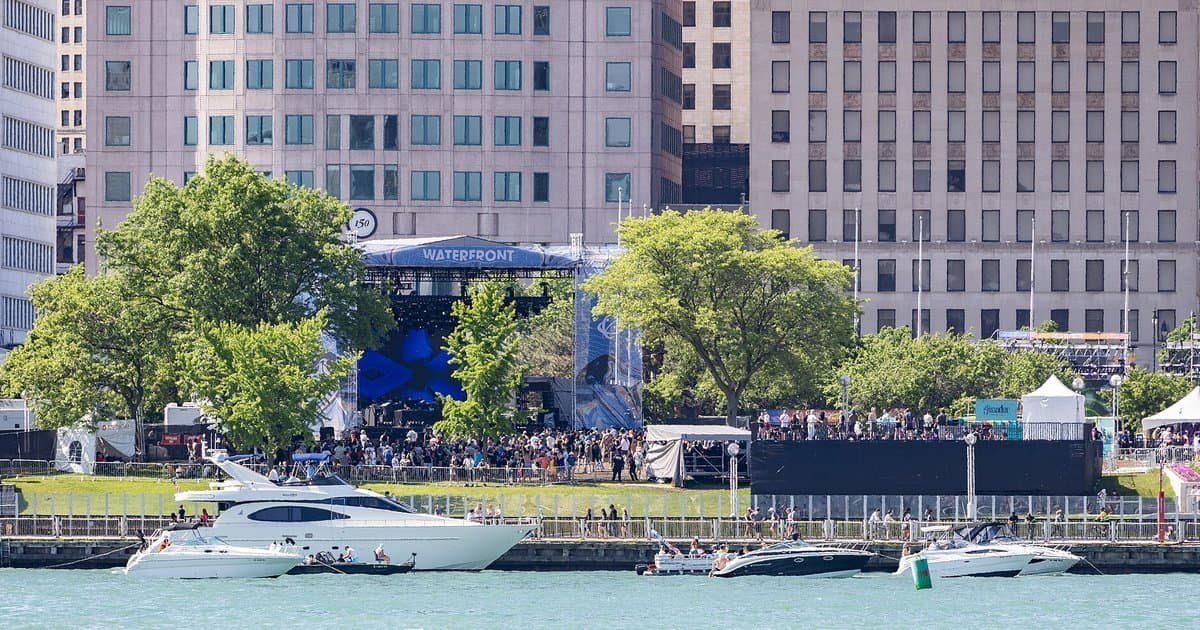
EDM lives at scale. Tomorrowland in Boom, Belgium, Electric Daisy Carnival in Las Vegas (described as the biggest dance music festival in North America) and Ultra Music Festival in Miami are its flagship events, all still running in 2026. Las Vegas residencies, arena tours and streaming playlists carry it the rest of the year. The crowd often knows the songs, and the show is part of what people pay for.
Techno: clubs, warehouses and long nights
Techno grew up in small, dark rooms: the Music Institute in Detroit (open from 1988 to 1989), then Tresor and later Berghain in Berlin, both still open. Sets are long, phones are often discouraged, and the line-up matters more than the production. On the festival side, techno has its own circuit: Awakenings in the Netherlands, Movement in Detroit and Time Warp in Germany. For one of the rooms that shaped the modern sound, see our profile of Berghain.
Who are the key EDM and techno artists?
EDM
The names most associated with the EDM era are David Guetta, Tiësto, Calvin Harris, Swedish House Mafia, Martin Garrix and Skrillex, along with labels such as Spinnin’ Records and STMPD RCRDS. Their music sits close to pop, with featured singers, radio edits and chart placings.
Techno
Techno’s canon starts with the Belleville Three and the next Detroit generation, including Jeff Mills, Carl Craig and Robert Hood. Richie Hawtin became a leading name in minimal techno, and today’s biggest techno draws include Charlotte de Witte, Amelie Lens and Adam Beyer. Techno artists are judged on DJ sets more than on singles. For the many styles in between, from dub techno to industrial, see our guide to techno subgenres.
What is techno vs electro?
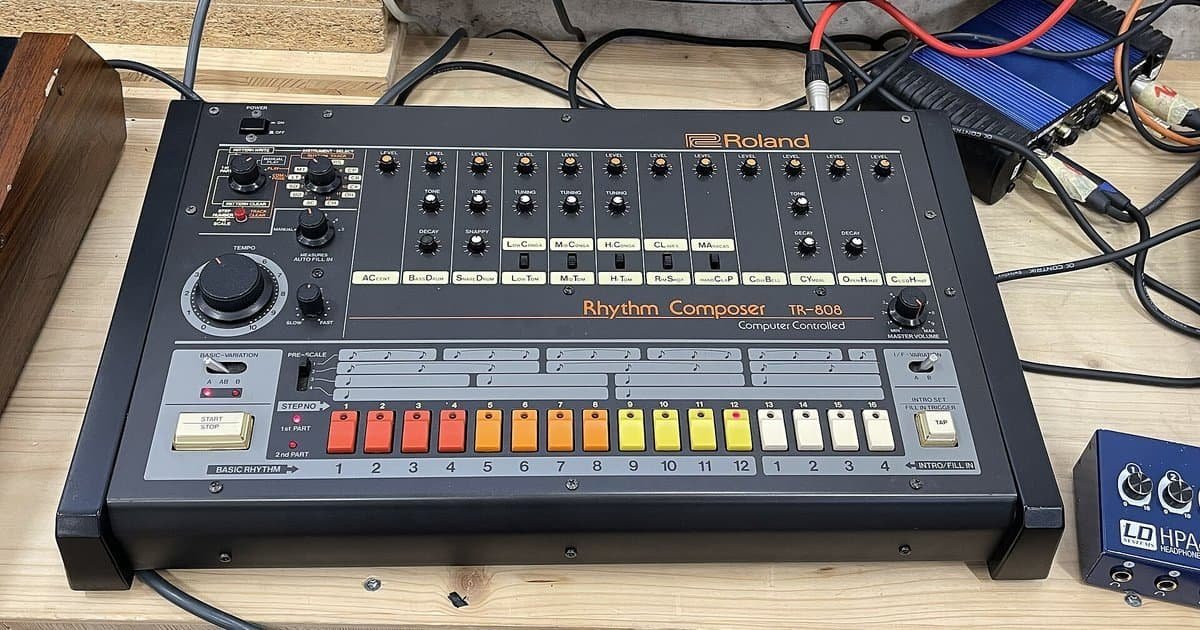
Electro is older than techno and helped create it. It emerged in New York in the early 1980s, defined by the Roland TR-808 drum machine and influenced by funk, early hip-hop and Kraftwerk. Afrika Bambaataa and the Soulsonic Force’s “Planet Rock” (1982), built on elements of Kraftwerk’s “Trans-Europe Express” and “Numbers”, is the landmark record.
The clearest difference is the drum pattern. Classic electro uses a syncopated, broken kick drum that imitates a breakbeat, often with vocoder vocals or rap on top. Techno uses a straight four-on-the-floor kick, one on every beat. Electro tends to feel funky and robotic; techno feels steady and driving.
The two genres stayed close. Cybotron’s records sit right on the border, and in the 1990s the Detroit duo Drexciya made some of the most celebrated electro ever, wrapped in an underwater science-fiction mythology. Electro came back in the late 1990s with Anthony Rother and Dave Clarke, and again from 2016 with DJs such as Helena Hauff and DJ Stingray and festivals like Dekmantel giving it prominent slots. Resident Advisor’s short film on Drexciya is a good place to start.
Electro is not electro house
One trap: “electro” in EDM talk usually means electro house, a style of house music at around 128 BPM with a prominent bassline or kick, linked to names like Benny Benassi and Steve Aoki. It took influence from the original electro but is a different genre, closer to festival EDM than to Detroit techno or 1980s electro.
Hypertechno vs traditional EDM: what are the core differences?
Hypertechno is the newest name in the mix, and it lives mainly on TikTok and streaming playlists rather than in clubs. The label covers fast, high-energy techno-style versions of well-known pop, Eurodance and film songs, often released as “sped up” edits with pitched-up vocals. Kontor Records, the Hamburg dance label, runs a weekly updated HYPERTECHNO playlist series that describes itself as “Rave, Sped Up, TikTok / TechTok Viral Remixes”.
Two German hits show how it works. Luca-Dante Spadafora, Niklas Dee and Octavian’s techno remix of “Mädchen auf dem Pferd”, a song from the 2014 Bibi & Tina film, came out in May 2023, took off on TikTok and became a German summer hit. Bennett’s techno version of “Vois sur ton chemin”, the children’s choir song from the 2004 film Les Choristes, went viral on TikTok, was released on 4 August 2023 and reached number one in Germany in January 2024. The official version runs just under three minutes.
Compared with traditional EDM and with club techno, the core differences look like this:
| Hypertechno | Traditional EDM | Club techno | |
|---|---|---|---|
| Starting point | A familiar hook from pop, Eurodance or film | An original song, often with a featured singer | A groove or sound, usually instrumental |
| Tempo feel | Fast, often sped up, pitched-up vocals | Mid-tempo, around 128 BPM for house-based styles | Steady, mostly 125 to 140 BPM |
| Length | Short, often under three minutes | Radio edit around three minutes, extended mix longer | Often six to eight minutes, built for mixing |
| Where it breaks | TikTok, streaming playlists, national charts | Festival mainstages, radio | Clubs, DJ sets, record shops |
| Payoff | Recognising the hook at high speed | The drop | The long build of the set |
In short, hypertechno borrows techno’s kick drum and hard techno’s energy, but its logic is pop: the hook is the point, and the track is made to be recognised in the first few seconds of a short video. That makes it closer in spirit to EDM than to the Detroit or Berlin sound, even though the name says techno.
EDM vs techno vs house
House is the third corner of the triangle. It started in Chicago in the 1980s, and its typical tempo is 115 to 130 BPM, a little slower than most techno. House leans on swing, soulful chords and vocals; techno leans on repetition and machine textures; festival EDM takes house’s tempo and four-on-the-floor kick and adds the pop song shape and the drop. Much of what is sold as EDM is, underneath, a form of house: electro house, progressive house and big room house all carry the name. Our full techno vs house comparison covers that line in detail.
FAQ
Is techno a type of EDM?
Yes, in the broad sense. EDM (electronic dance music) is the umbrella for all club and rave genres, and techno is one of them. In everyday use, though, “EDM” usually means the commercial festival sound of the 2010s, which is quite different from techno, so most techno fans do not call their music EDM.
What is the main difference between EDM and techno?
Structure. Festival EDM is built like a song around build-ups and drops, often with vocals and a hook. Techno is built around repetitive loops that change slowly, is mostly instrumental and is made to be mixed into long DJ sets in clubs.
What is the difference between techno and electro?
Electro came first, in early 1980s New York, and uses a syncopated, breakbeat-style kick drum from the Roland TR-808, often with vocoder vocals. Techno, which grew out of electro and house in Detroit, uses a straight four-on-the-floor kick. “Planet Rock” (1982) is the classic electro record.
How is hypertechno different from traditional EDM?
Hypertechno is a 2020s, TikTok-driven style of fast techno-style remixes of familiar pop, Eurodance and film songs, often sped up and under three minutes long. Traditional EDM is built from original songs with a build-up and drop for festival stages. Hypertechno’s payoff is recognising the hook; EDM’s is the drop.
Which is faster, EDM or techno?
They overlap. Festival EDM styles such as electro and big room house usually sit around 128 BPM, and most techno runs between 125 and 140 BPM. Hard techno goes faster, from 140 to 160 BPM and above, while dubstep sits around 140 BPM with a half-time feel.
The TA view
The EDM vs techno argument was loudest in the early 2010s, when the two worlds barely shared a stage. In 2026 techno DJs close Tomorrowland and TikTok turns film choirs into German number ones, so the useful question is no longer which side you are on but how a track is built. If you want the drop, go to the mainstage; if you want six hours that feel like one long track, find a club.
Cover photo: Ank Kumar, Wikimedia Commons, CC BY-SA 4.0, cropped.