Techno Viking, Rebooted: How AI Made Erling Haaland the Meme’s Heir
AI clips turned Erling Haaland into the Techno Viking, 26 years to the day after the Berlin original was filmed. The story, the 2013 court ruling, and why it matters for rave culture.

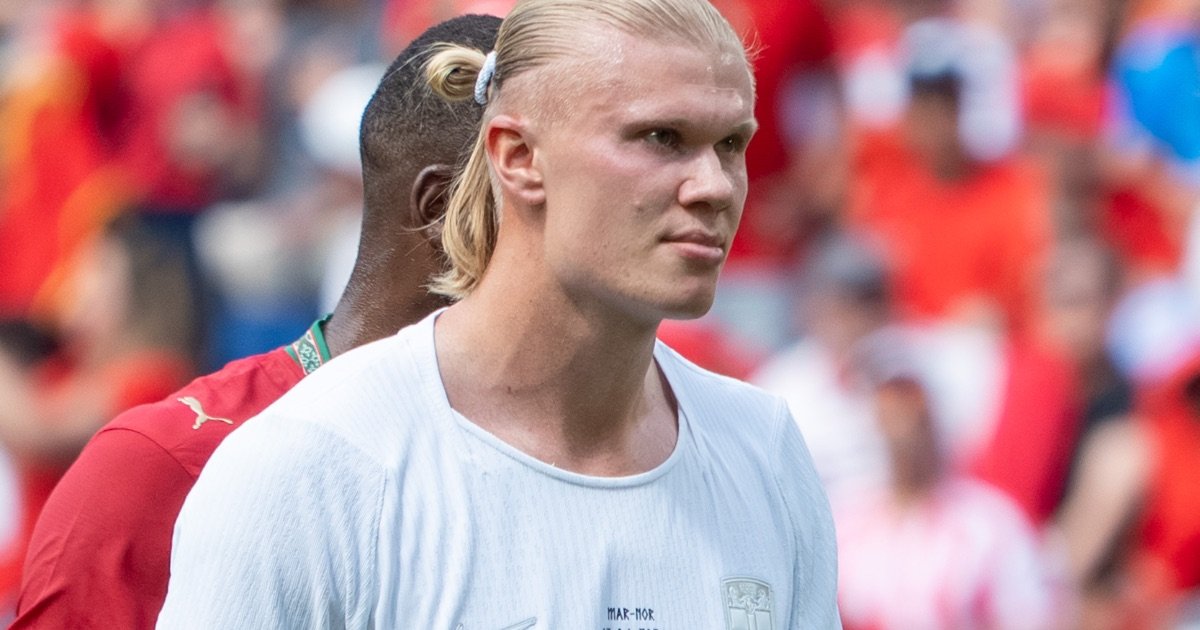
The Technoviking never really left, but this month he changed faces. Clips built with generative AI have grafted Erling Haaland onto the footage of a bare-chested dancer stalking through Berlin, and the result has been shared across football and rave timelines with equal enthusiasm. The timing is almost too neat: the wave crested on 8 July 2026, twenty-six years to the day after the original was filmed.
From Fuckparade to the last sixteen
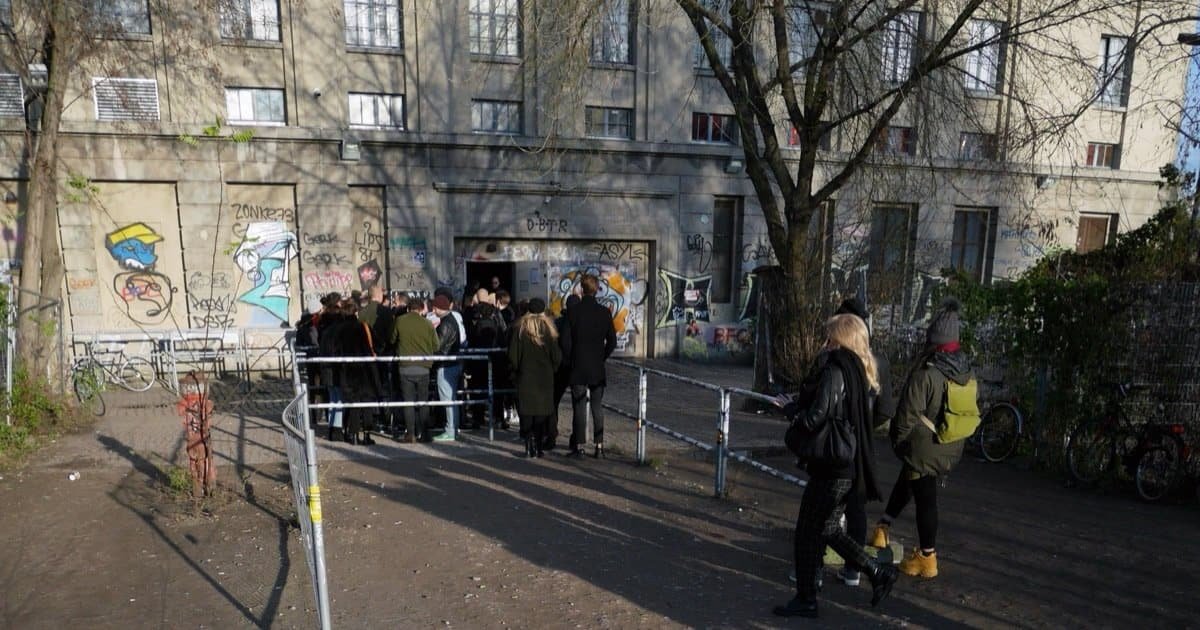
The source material is one of the oldest artefacts in meme history. Video artist Matthias Fritsch filmed four minutes on Rosenthaler Strasse at Berlin’s Fuckparade on 8 July 2000, following a muscular blond man in a Mjolnir pendant who danced with absolute conviction and no self-consciousness whatsoever. Fritsch put it online in 2001, an unknown user reposted it to YouTube in 2006, and by September 2007 it was pulling over a million views a day.
The Haaland version arrived after his two goals against Brazil in the round of sixteen, spreading in the days before Norway’s quarter-final. Norway lost that tie 2-1 to England after extra time, but the clips outlived the tournament. The fit is obvious: the blond hair, the heavy frame, the flat expression that reads as menace or total calm depending on the caption.
The ruling the AI clips walk straight past
What makes this revival more than a gag is the legal history sitting underneath it. The man in the original footage never wanted the fame. He sued Fritsch over his personality rights, the case opened in Berlin in January 2013, and in June the court found for him: Fritsch was ordered to pay 13,000 euros in damages, roughly everything he had earned from advertising and merchandise, plus 10,000 euros in costs, and to stop publishing the image altogether.
That ruling bound Fritsch and nobody else. The remix economy carried on untouched, and it has now produced a version of the dance performed by a synthetic Haaland, wearing a face that is not the plaintiff’s at all. The likeness the court protected has effectively been routed around rather than removed. German personality rights law was written for photographs and broadcasts, not for a model that can reconstruct a body from a decades-old clip and put someone else’s head on it.
The court took the Technoviking’s face off the internet. It could not take the walk, the posture or the gesture, and those turned out to be the part that mattered.
The Techno Airlines view
Rave culture has always run on reuse, from white-label bootlegs to edits played once and never released. AI reconstruction is harder, because it separates a person’s image from their movement and lets the second one travel without them. The Haaland clips are funny and mostly affectionate. They are also a preview of an argument about consent in nightlife footage that clubs, festivals and photographers will have to hold properly, and soon.
Read our full background piece on the Techno Viking meme and the real story behind it, or browse what is coming up on our techno festivals calendar.
Sources: We Rave You, Wikipedia, Rhizome interview with Matthias Fritsch, Al Jazeera.