Berlin Clubs Closing in 2026? What the Clubcommission Study Means for Berghain and Berlin Techno
Only 61% of Berlin clubs broke even in 2025 and 23% are thinking about closing. Inside the Clubcommission 2026 study: packed floors, falling bar sales, rising costs and what it means for Berghain and Berlin techno.

Berlin’s dance floors are full, but the books tell another story. The Clubcommission’s Club Culture Berlin 2026 study, the first big survey of the scene since 2019, found that only 61% of clubs and promoters broke even in 2025, down from 79% in 2017. Almost one in four, 23%, is thinking about giving up within the next 12 months.
Is Berlin techno dying?
Not on the door. 83% of the 102 venues and collectives surveyed report at least half capacity, and since 2020 roughly 25 venues have opened against at least 24 closures, Watergate and the bankrupt SchwuZ among them. The crisis is financial, not cultural.
The dance floors are full. Even so, it is becoming ever harder to operate in an economically sustainable way.
Marcel Weber, Clubcommission chair
Why are Berlin clubs losing money?
The business model has flipped. In 2017 the bar brought in 60% of revenue and the door 21%. Now admission covers 59% and food and drink just 20%. 73% of venues see guests drinking less alcohol, 60% sell more soft drinks and 57% say people stay for shorter periods.
Costs moved the other way. 64% name staff as the heaviest burden and 62% operating costs, while 92% rent their premises and 31% are on leases of under five years. Clubs pushed back where they could: 67% raised drink prices and 47% raised tickets, which lands on a crowd already spending less.
Berghain 2026 and the new wave
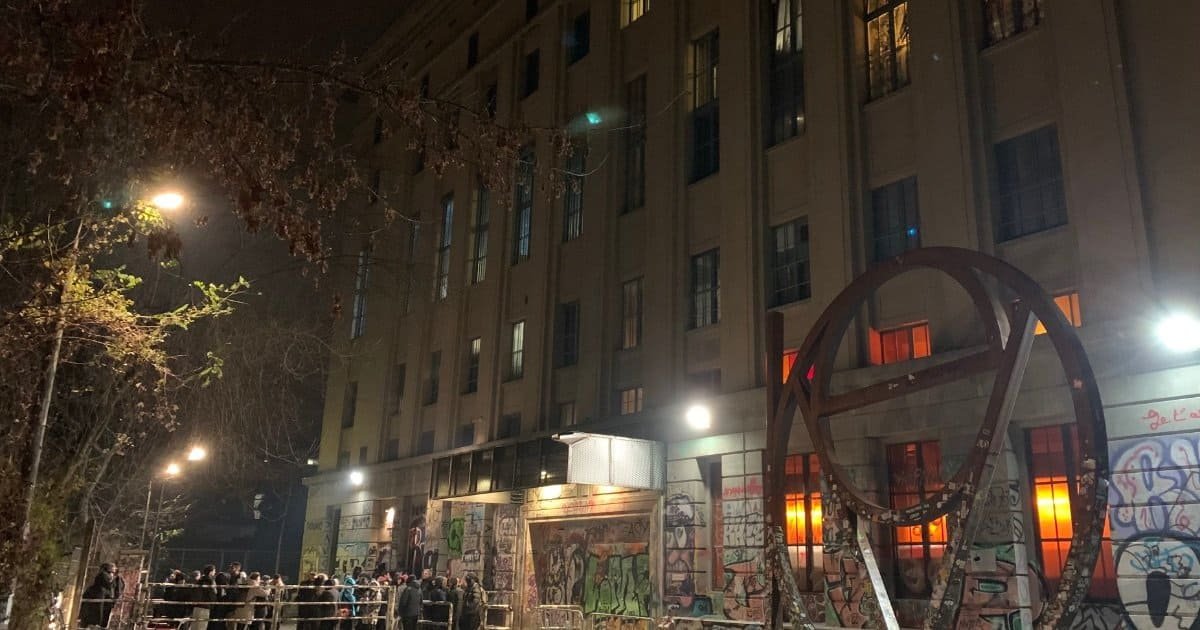
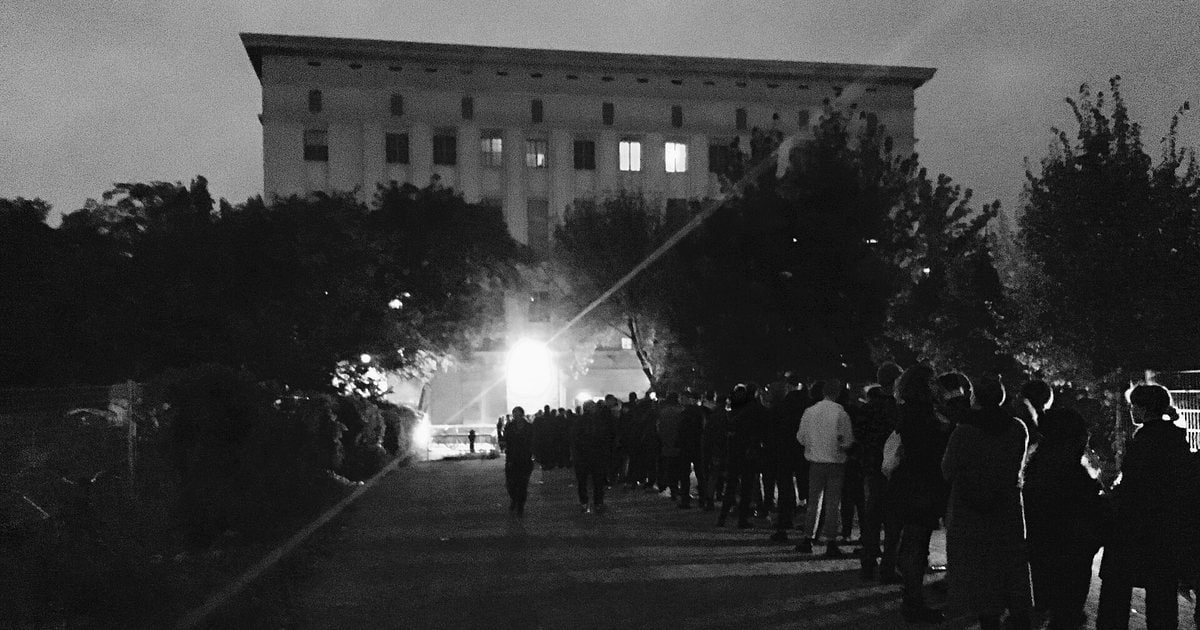
Berghain slipped five places to 21 in the DJ Mag Top 100 Clubs 2026 and was the only Berlin club on the list. That says more about poll mechanics than the queue on Rüdersdorfer Straße, but the city’s pull is no longer automatic. Newcomers are testing other formats: Krannok, launched in December 2025, runs invite-only monthly parties from Saturday evening to Sunday noon, with a calm-down floor serving smoothies.
The TA view
Berlin club culture is not dying, it is being repriced. A scene that once lived on bar margins now depends on the ticket, so every door price matters more than ever. 95% of operators say long-term survival needs structural change, and 86% want state-owned buildings opened to clubs. Techno’s place on Germany’s intangible cultural heritage list in 2024 was the recognition. This study is the bill.
Read more: Belgium’s nightlife crisis, UK club closures, the best clubs in Berlin, and more Berlin and techno club coverage.
Sources: Clubcommission Berlin, DJ Mag, Resident Advisor, Pollstar, The Berliner, RA (Krannok).