What is a Boiler Room? All You Need to Know About Boiler Room Sets & Parties
Experience the unmatched energy of Boiler Room — where DJs, fans, and underground sounds fuse. Discover how these gatherings shaped today’s dance music scene.

Last Updated: January 19, 2025 (19.01.2025)
Boiler Room has become an iconic fixture in the global dance music scene — yet it all started in a low-key space with a single camera taped to a wall. Today, it’s a widely recognized broadcaster and event organizer, featuring intimate parties often referred to as “Boiler Room sets” or “Boiler Room parties“. These shows draw a passionate audience of electronic music devotees eager to discover everything from techno and house to grime, jazz, hip-hop, and beyond.

If you’ve ever wondered what a boiler room is or what a boiler room set is, you’re in the right place! In this post, you’ll learn about the origin of Boiler Room, how it evolved, and what makes its worldwide parties so special. We’ll also explore its influence on DJ livestreaming, the role of innovative technology, and how these intimate gatherings have shaped modern music culture.
Below, you’ll find a deep dive into Boiler Room‘s story — from its earliest days as a quirky London experiment to its status as a global phenomenon that introduced a whole new way of experiencing dance music. Whether you’re a techno lover who’s heard the buzz about “What is Boiler Room techno?” or a curious newcomer intrigued by “What is a Boiler Room party?” consider this your complete guide.

Understanding The Basics: What is a Boiler Room?
A Boiler Room, in the context of contemporary music culture, is both a physical and virtual space where DJs and music enthusiasts come together. The term “Boiler Room” originally referred to an actual boiler room in an East London warehouse — an unglamorous, underground location that doubled as a creative space for founder Blaise Bellville to host unconventional live-streamed DJ sets. Over time, Boiler Room evolved into a traveling event series and online music broadcaster, streaming sessions to viewers around the world.
Unlike massive festivals, the format usually involves a small venue, a limited number of attendees, and an intimate DJ performance that is recorded or live-streamed. This minimalism, combined with cutting-edge talent, is at the heart of the Boiler Room aesthetic. Whether you’re hearing people ask, “What is a Boiler Room set?” or “What’s a Boiler Room party?” the essence remains the same: an artist-centric experience featuring music up close and personal — often with the DJ at the center, surrounded by an enthusiastic crowd.

What Are Boiler Rooms? a Brief History and Evolution
Boiler Room began its journey in 2010. Founder Blaise Bellville was running an online magazine called Platform and trying to persuade an investor to convert an unused warehouse into artist studios in East London. One night, he discovered an old boiler room in the building. Struck by the raw, gritty atmosphere, he decided to repurpose that cramped, 1930s-era boiler room for a new kind of music project.
He set up turntables, taped a cheap webcam to the wall, and started broadcasting DJ sets live over Ustream. Initially, these sessions were meant to showcase local underground talent and push back against the more commercial side of music broadcasting. Artists would play their favorite vinyl, experiment with new tracks, or jam out in front of a small audience — all while an online global viewership tuned in.
From these humble beginnings, Boiler Room took off. Weekly shows quickly turned into a recognized brand, and the concept began to spread. What made it so unique was its unfiltered, raw appeal: there were no big stages, no flashing lights — just a DJ, a modest venue, and people dancing up close. This authenticity resonated with music fans hungry for something less manufactured. Soon, viewers realized they could watch from anywhere in the world, connecting with like-minded fans and discovering fresh, niche artists that mainstream media rarely covered.
Why is it Called a Boiler Room?
If you’ve ever asked, “What is the boiler room meaning?” or “Why is it called a Boiler Room?” the simplest answer is that it literally took place in a disused boiler room. The name stuck, partly because it was memorable and partly because it symbolized the underground, stripped-down nature of the shows. Over the years, the phrase “Boiler Room” has come to represent an entire movement of exclusive, intimate DJ sets that break the mold of typical club or festival events.
Nowadays, Boiler Room is synonymous with raw, up-close music experiences that put artistry over spectacle. You won’t find massive LED walls or extensive pyrotechnics; instead, the focus is on the music, the crowd’s energy, and the DJ’s ability to read the room. This no-frills setup creates an atmosphere reminiscent of underground parties — complete with sweaty dance floors and a genuine sense of community.

What is a Boiler Room Set?
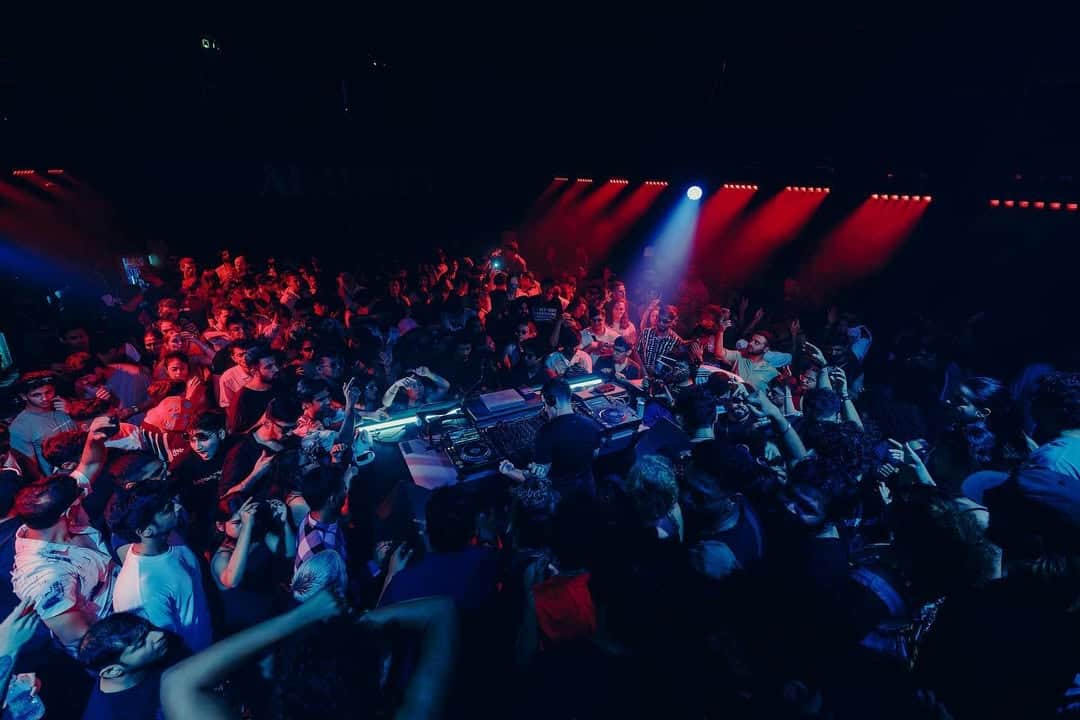
A “Boiler Room set” is a live DJ performance recorded in a small, tightly packed setting, usually with the DJ booth or turntables placed in the center of a surrounding crowd. In most Boiler Room events, the DJ plays facing the camera, while attendees fill the space around them. The camera angle often highlights the DJ from the front, capturing their technique, track selection, and the immediate reactions of the partygoers.
One distinct feature is the closeness between the performer and the audience. There are no VIP sections or backstage rooms. Fans can literally stand inches away from the artist, creating an unfiltered dynamic where the energy flows both ways. This setup has led to iconic moments where partygoers dance, cheer, or even interact with the DJ in ways you rarely see in bigger venues.
Over time, a wide array of genres have found a home in these sets, including techno, house, grime, jazz, hip-hop, classical, and experimental sounds. For those wondering, “What is Boiler Room techno?” it’s simply a techno DJ set performed under this intimate Boiler Room framework, where the rawness of the music is front and center.
What is a Boiler Room Party?
A Boiler Room party is generally an event featuring this signature format: a limited, invite-only audience, a DJ or series of DJs, and a live video broadcast. Unlike sprawling festival arenas, these gatherings typically take place in unconventional locations — warehouses, rooftops, basements, or sometimes cultural landmarks. The idea is to replicate that immediate, immersive atmosphere: the party is small, the music is loud, and there’s a direct connection between the artist and fans.
Some might also call it a “Boiler Room rave“, especially when the music leans toward house or techno. But the central point is that these parties strive to maintain an intimate vibe, even if they’re being streamed to thousands or even millions of online viewers. That’s part of the magic: local authenticity meets global exposure.
The Intimate Bubble: What Makes Boiler Room Sets Special?
One of the key reasons Boiler Room sets have gained legendary status is the feeling of exclusivity and authenticity they provide. Attendees are often curated, with only a handful of tickets available or invites sent out. From the DJ’s perspective, it’s a chance to test out unreleased tracks, experiment with different styles, or simply connect with a smaller, passionate group of fans rather than a massive anonymous crowd.
The phenomenon also thrives on social media. Fred Again… famously performed a Boiler Room set in the summer of 2022 that garnered over 42 million views, smashing previous records. People tuned in not just for the music, but for the entire vibe: it felt personal, spontaneous, and uninhibited. This sense of closeness and raw excitement is far more intimate than what you’d see in a traditional club set or mainstream festival livestream.
The Boiler Room Model: From Underground to Global Influence
By the time Boiler Room became a recognizable name, it had already begun expanding beyond London. In August 2011, it hosted a series of shows in Germany. Soon after, there were events across the United States, Asia, and South America, featuring local DJs alongside established icons. This global outreach turned Boiler Room from a niche London project into a groundbreaking model for music broadcasting.
Accessibility and Exposure
One of the major strengths of the Boiler Room approach is accessibility. Anyone with an internet connection can watch these livestreams in real-time, enjoying them from the comfort of home. Aspiring DJs who would never set foot in certain clubs can get a taste of the energy and technique behind their favorite artists.
At the same time, the exposure is massive for the performers. Emerging talents who land a Boiler Room appearance can find themselves catapulted onto the world stage. Many notable DJs credit a Boiler Room set as a springboard for their careers — fans discover them online, promoters start paying attention, and streaming stats can skyrocket.
Unique Venues and Experiences
If you ask, “What is a Boiler Room party meaning?” a big part of it lies in the choice of venue. From rooftops in Tokyo to basements in Berlin, or even cultural landmarks in major cities, Boiler Room sets often feature striking backdrops that contrast with the typical nightclub environment. This diverse range of settings adds visual appeal and sets each event apart.
Inclusivity and Diverse Lineups
Boiler Room prides itself on showcasing various genres and styles, from house and techno to grime and hip-hop. Their lineups often feature both established headliners and fresh faces. This diversity not only brings different fan bases together but also creates a sense of inclusivity — reflecting how electronic and underground music cultures are melting pots of different influences.
Community Building
Over the years, Boiler Room has cultivated a global community. Livestream chats, social media forums, and in-person gatherings foster an environment where fans can share music recommendations, talk about upcoming events, or relive highlights from previous sets. This sense of belonging encourages loyal followings and fuels the anticipation surrounding each new broadcast.
Iconic Moments: Thom Yorke, Diplo, Fred Again…, and Beyond
Boiler Room has had its share of unforgettable moments. Fred Again… set a viewing record, drawing millions to witness his set’s blend of melodic house and experimental rhythms. Earlier in its history, Diplo’s appearance became an inflection point: he played a set that didn’t mesh well with the platform’s underground ethos. It provoked a strong online reaction, ultimately helping Boiler Room solidify its identity by leaning more into niche and underground sounds.
Other artists — like Jamie xx, Caribou, Thom Yorke, and Hudson Mohawke — have graced Boiler Room streams, each leaving a unique imprint. The platform continues to attract those who want to showcase their artistry without the distractions of commercial nightclub demands.
How Boiler Room Shaped The DJ Livestream Sector
Boiler Room was among the first to popularize the idea of livestreaming intimate DJ performances. Once the COVID-19 pandemic accelerated the need for virtual events, the concept spread rapidly. Today, you’ll find numerous platforms doing variations of DJ livestreams, but Boiler Room remains a pioneer.
Standard For Quality Livestreams
Boiler Room set the bar for production value and immersive viewer experiences. From camera angles that capture both the DJ and the dancing crowd to crisp audio feeds, the platform emphasized seamless streaming. Over time, it turned into a benchmark for competitors to match or exceed.
Inspiration For Other Platforms
Several services — such as Cercle, United We Stream, and Beatport’s ReConnect — gained popularity using distinct twists on the livestream formula. Cercle, for instance, is known for breathtaking outdoor locations. Meanwhile, some networks focus on charitable causes or interactive features. Despite these variations, the core idea of offering easily accessible, high-quality electronic music sets for a global audience can be traced back to Boiler Room‘s early blueprint.
Current State of DJ Livestreams: More Choices, More Competition
Thanks to widespread internet availability and user-friendly streaming technology, the DJ livestream sector is booming. Social media platforms like Instagram, Facebook, and Twitch offer easy broadcasting tools, while interactive features — live chats, donations, and real-time reactions — let fans engage directly with DJs.
Many artists now rely on multiple platforms to reach different audiences. Some schedule free streams on Twitch while offering exclusive after-parties on Patreon. Others sell merchandise during sets to supplement revenue. With so much competition, carving out a unique identity has become a significant challenge. In this landscape, Boiler Room remains a trusted name for authenticity and quality.

Challenges and Opportunities in DJ Livestream Culture
While the proliferation of DJ livestreams is a net positive for artists and fans, it isn’t without hurdles:
- Oversaturation: With so many streams happening simultaneously, attracting a sizable audience can be difficult — especially for lesser-known DJs who must compete with big-name acts.
- Monetization: Generating consistent income from free streams can be tough. Many DJs and platforms experiment with ads, brand partnerships, and subscription models.
- Viewer Engagement: Modern audiences expect high production values. To keep fans coming back, creators must offer compelling visuals, unique venues, or interactive elements that set them apart.
- Sustainability: Running regular livestreams — especially those with paid talent, production crews, and marketing — can be costly. Securing sponsorships and brand deals is often essential to covering expenses and paying artists fairly.
On the bright side, the hybrid approach of combining in-person attendance with virtual streaming unlocks new possibilities. Fans who can’t travel can still tune in online. Local communities can share music culture with an international audience, boosting the exposure of niche genres, while artists can diversify their offerings, from ticketed shows to exclusive content.

The Future of Boiler Room: Innovating While Staying True to Roots
From day one, Boiler Room‘s DIY ethos and focus on underground talent set it apart. Despite expanding to new cities, forging partnerships with major festivals, and experimenting with film and documentary work, the brand remains grounded in its original mission: to give artists a platform free from excessive commercial influence and to preserve the raw energy of intimate dance music gatherings.
Expect Boiler Room to keep evolving in step with emerging technologies. Today, DJs can record and refine their mixes on the go using tools like browser-based interfaces — Capture Audio being an example — making it easier than ever to hone their craft. As remote collaboration grows, so does the potential for more creative, crowd-sourced performances that can be streamed globally.

Memorable Stories: Boiler Room’s Growth and Milestones
In tracing Boiler Room‘s development, you’ll find numerous anecdotes that capture its essence. One noteworthy story involves how it grew beyond London: the first attempt to partner with a well-known DJ (Diplo) was widely criticized by longtime fans, helping the team realize they needed to remain laser-focused on underground authenticity.
Shortly after, Boiler Room expanded to Berlin, hosting shows that elevated lesser-known DJs on a platform that could deliver a global audience. By the time they started traveling to Los Angeles, São Paulo, Tokyo, and other major cities, the concept had proven its universal appeal. Local dance floors, once hidden from international view, became accessible to fans everywhere, creating a shared cultural experience.
Another highlight is the brand’s collaboration with established collectives like Young Turks and Hessle Audio, showcasing artists like Jamie xx, Ben UFO, and James Blake early in their careers. These early sessions cemented Boiler Room‘s reputation for curatorial vision, offering a space that championed creativity over commercial demands.
Boiler Room’s Role in Nurturing Emerging Talent
An often-overlooked aspect of the Boiler Room phenomenon is how it functions as a testing ground for up-and-coming DJs. The platform’s minimal production style and intimate approach let emerging artists deliver raw, unfiltered performances that can catch the public’s eye. For instance, an artist who has only played local venues might suddenly find themselves streamed to thousands of curious viewers around the world.
This exposure can be game-changing. Promoters spot new talent, fans spread the word on social media, and record labels take note. Meanwhile, artists gain a treasure trove of livestream clips they can use for self-promotion. Because Boiler Room actively seeks to showcase underrepresented styles and scenes, it becomes a hotbed for cultural exchange — where boundary-pushing electronic, hip-hop, and world music find a home.

Notable Boiler Room Collaborations and Events
Beyond standard DJ sets, Boiler Room has organized special one-off events with major artists and brands. Radiohead hosted a takeover, featuring Thom Yorke, Jamie xx, Caribou, and more. Moments like these integrate mainstream recognition while sticking to the underground spirit that defines Boiler Room.
In recent years, collaborations have extended to corporate sponsors and festivals — SXSW, Sónar, Dimensions, Dekmantel, and others — helping fund the free-to-access model. The balance between sponsorships and preserving an independent, artist-driven ethos is delicate but crucial to Boiler Room‘s sustainability.

Global Expansion: From London to Every Corner of The Map
Boiler Room has run events in over 100 cities worldwide. Locations range from Berlin and Amsterdam to Tokyo, São Paulo, New York, Lisbon, and beyond. Each new city adds its local flavor to the overarching Boiler Room concept. For instance, the Berlin sessions prominently feature techno at unmarked warehouse venues, while Los Angeles events might focus on cutting-edge hip-hop or experimental beats.
The brand has also branched into different mediums, such as short films, documentaries, and talk-based shows. Its foray into classical music, for example, highlighted performances by Ryuichi Sakamoto, Julia Holter, and others, demonstrating how Boiler Room can adapt its intimate format to multiple genres.
Innovations, Acquisitions, and Funding
Boiler Room started without major funding, gradually introducing partnerships and brand collaborations to keep its broadcasts free. It’s also taken investment from entities that share its vision of pushing music culture forward. Although the brand has changed owners and formed strategic alliances — eventually falling under the umbrella of Superstruct Entertainment — its core mission remains the same: offering a platform where artists can be themselves, unfiltered and unscripted.
Importantly, Boiler Room now compensates all artists who perform on its platform. Initially, many underground sessions were done under the premise of free exposure, a common practice at the time for livestreams. However, recognizing that exposure alone isn’t enough, Boiler Room moved to a universal artist fee model, ensuring every performer is paid for their contributions.
a Global Community: Inclusivity and Diversity in Music
One of Boiler Room‘s main achievements is bringing together audiences from different cultural backgrounds, musical preferences, and geographic regions. By spotlighting genres like grime, dub, house, techno, jazz, and experimental classical, the platform unifies a wide range of listeners under the banner of authentic music appreciation.
The sense of community goes beyond just tuning in. Local bars sometimes project Boiler Room streams on large screens, effectively hosting mini-raves for people unable to attend in person. Online forums light up with track IDs, artist discussions, and event recaps, further weaving the global tapestry of fans who cherish these intimate gatherings.
Technology and The Future of Music Consumption
The rise of Boiler Room and similar platforms is closely tied to changes in how people consume music. In the digital age, streaming has become standard, and fans increasingly expect real-time access to live performances. More advanced tools — like free browser-based production software — enable DJs to experiment virtually anywhere, transforming the creative process.
These shifts suggest that intimate, livestreamed sets will remain a cornerstone of electronic music culture. As technology evolves, so will opportunities for artists to engage with fans. Virtual and augmented reality concepts, for example, could further blur the lines between physical events and digital gatherings, creating new forms of immersive experiences.
Real-World Applications For Artists
Emerging DJs can use the Boiler Room model as inspiration for how to build a presence without traditional gatekeepers. Thanks to social media, free streaming platforms, and easily accessible music production tools, they can replicate certain elements of the Boiler Room experience: small, dedicated audiences, an authentic atmosphere, and genuine fan engagement.
Being featured in a Boiler Room stream often leads to tangible opportunities. Bookers or festival organizers might spot someone’s set online and extend invitations. Labels might contact them for remixes or original tracks. Because Boiler Room events capture a DJ’s authentic vibe, promoters gain a real sense of the artist’s style.
Personal Memories: Anecdotes from Boiler Room Events
Anyone who’s attended a Boiler Room party in person often recalls the experience as similar to a house party — close, sweaty, and unpretentious. There are no expensive VIP bottle-service tables. The DJ might be dancing alongside you one minute, then selecting the next track the next. Attendees can feel the energy shift with every beat, and there’s an intimate camaraderie that arises from sharing such tight quarters.
Some people remember comedic mishaps — like an attendee accidentally hitting the decks or overly excited fans dancing dangerously close to the turntables. Others cherish the emotional moment when a DJ drops a particularly resonant track, sending ripples of euphoria through a crowd that’s practically hugging the booth. Over time, these memories accumulate, reinforcing why Boiler Room is so beloved.
a Note on The Business of Music
For those aiming to launch a career in music or strengthen their brand, platforms like Boiler Room and various livestream channels can be powerful assets. It’s not only about building a fanbase but also about connecting with fellow artists, industry executives, and potential collaborators.
Boiler Room‘s model exemplifies how niche projects can grow when they tap into genuine community needs. By championing underground artistry and keeping events intimate yet widely accessible online, it carved out a global reputation.
This success teaches a key lesson: if you maintain authenticity, respect artists, and adapt to technological shifts, you can transform even a small, disused room into an international phenomenon.

Final Take
Boiler Room‘s trajectory — from a single webcam in a deserted London boiler room to a global broadcasting platform for underground music — underscores the power of genuine passion and community-driven innovation. Its emphasis on intimate settings and raw, unfiltered performances gave electronic, hip-hop, and experimental musicians a place to shine, while fans gained a window into previously hidden corners of the music world.
With its continued growth, evolving technology, and commitment to inclusivity, Boiler Room remains on the cutting edge of what dance music culture can become. Fans worldwide tune in for the music, the atmosphere, and the sense of closeness that other large-scale events rarely capture. If you’re looking for a fresh perspective on underground music — or simply curious about what a real party feels like when the DJ is just a few steps away — Boiler Room is your front-row ticket to discovering a thrilling new universe.
And if you’re building your own music business, think about how platforms like Boiler Room have rewritten the rules. They’ve leveraged the internet to give artists global exposure, forging strong bonds among fans worldwide.
All rights remain with their respective owners. This comprehensive guide content blends historical references and readily accessible online information, offering a broader perspective on the Boiler Room phenomenon.
Featured Image Source: @boilerroomtv Instagram