90s Techno Songs: 16 Classics That Defined the Decade
Dive into the electrifying world of 90s Techno Songs! Explore iconic tracks, influential artists, landmark albums, and the genre’s enduring impact on music and culture.


Updated: September 26, 2026
The best 90s techno songs include Energy Flash by Joey Beltram, The Bells by Jeff Mills, Acperience 1 by Hardfloor, Spastik by Plastikman and Higher State of Consciousness by Josh Wink. This guide lists 16 defining tracks with year and label, the artists and albums behind them, and where to hear the sound in 2026.
Also Read: What is Techno Music?.

What are the best 90s techno songs?
These are the tracks that defined 90s techno, listed in order of release. Each one was either a club standard in its own year or a record that changed what producers made next.
| Track | Artist | Year | Label | Why it matters |
|---|---|---|---|---|
| Energy Flash | Joey Beltram | 1990 | R&S Records | The hoover-edged New York track that set the tempo for the rave years |
| Sonic Destroyer | X-101 | 1991 | Tresor | The very first Tresor release, by Underground Resistance members Jeff Mills, Mike Banks and Robert Hood |
| Dominator | Human Resource | 1991 | R&S Records | The rave anthem whose screaming synth riff turned up everywhere from hardcore to trance |
| Acperience 1 | Hardfloor | 1992 | Harthouse | Ten minutes of Roland TB-303 acid that restarted the acid techno sound |
| Spastik | Plastikman | 1993 | Plus 8 | Richie Hawtin building a whole track out of drum rolls |
| Café del Mar | Energy 52 | 1993 | Eye Q | The Balearic trance crossover that still closes sunrise sets |
| For an Angel | Paul van Dyk | 1994 | MFS | The Berlin trance track that became a festival standard later in the decade |
| Voodoo People | The Prodigy | 1994 | XL Recordings | Breakbeat energy and a guitar riff that pulled rock crowds into raves |
| Higher State of Consciousness | Josh Wink | 1995 | Strictly Rhythm | A single 303 line pushed to its limit, and a UK top ten hit |
| Born Slippy .NUXX | Underworld | 1995 | Junior Boy’s Own | Reissued in 1996 on the Trainspotting soundtrack and still a festival singalong |
| Flash | Green Velvet | 1995 | Relief Records | Chicago techno with a spoken vocal that every DJ of the decade played |
| Wisdom to the Wise | Dave Clarke (Red 2) | 1995 | Bush Records | The second part of the Red trilogy and the peak of UK tough techno |
| Insomnia | Faithless | 1995 | Cheeky Records | The crossover hit that took club music to arena stages |
| Sugar Is Sweeter (Armand van Helden Remix) | CJ Bolland | 1996 | Internal | The remix that bridged techno and the speed garage sound |
| Drum Code 1 | Adam Beyer | 1996 | Drumcode | The first release on the label that still runs Swedish techno |
| The Bells | Jeff Mills | 1997 | Purpose Maker | The minimal loop DJs have played for almost thirty years |
If you want them in one place, the list below each section has the videos,.
What did 90s techno sound like?
90s techno was drum machine music first: a steady 4/4 kick, programmed hi-hats and one or two synth lines looped and filtered for minutes at a time. The Roland TR-808, TR-909 and TB-303, all cheap on the second-hand market by then, gave the decade its sound. Tracks were built for DJs rather than radio, so they rarely had verses or choruses and often ran past six minutes.
The genre had started in Detroit in the mid-1980s with Juan Atkins, Derrick May and Kevin Saunderson. In the 90s it travelled: Berlin after the fall of the Wall, with Tresor opening in 1991 in the vault of a former department store; the UK rave scene; Frankfurt, Rotterdam, Ghent and Chicago. Each city bent it a little, from the hard, fast records of Rotterdam to the stripped back minimal of Detroit’s second wave. Tempo sat mostly between 125 and 140 BPM, a range explained in our guide to techno BPM.
Also Read: The Evolution of Techno Music.
Also Read: Role of Synths in Techno.

Who were the most important 90s techno artists?
Detroit and the Underground Resistance circle
Jeff Mills, nicknamed The Wizard from his radio mixing days, co-founded Underground Resistance with Mike Banks, then launched his own Axis label in 1992. His three-deck DJ sets and records like The Bells defined how fast and how minimal techno could be. Robert Hood, also an early Underground Resistance member, released the album Minimal Nation in 1994 and founded M-Plant the same year; the album is still the record most often credited with defining minimal techno.
Plus 8, Plastikman and the Canadian connection
Richie Hawtin and John Acquaviva started Plus 8 in 1990 across the river from Detroit in Windsor, Canada. As Plastikman, Hawtin released the Spastik single and the album Sheet One in 1993.
The UK and Europe
Carl Cox built his name on three-deck sets at raves and later at Space in Ibiza. Dave Clarke released the Red trilogy between 1994 and 1995 and was called the Baron of Techno by John Peel. Laurent Garnier carried techno into France and released Crispy Bacon in 1997, and Sven Väth co-founded the Harthouse and Eye Q labels in the Frankfurt area.
The women who ran the labels
Miss Djax founded Djax-Up-Beats in Eindhoven in 1989 and released Robert Armani’s Circus Bells and a long run of acid records. Monika Kruse became one of Germany’s best known techno DJs through the decade and later backed the anti-racism initiative No Historical Backspin. Ellen Allien founded BPitch Control in Berlin in 1999, closing the decade with a label that shaped the 2000s. For more names, see our guide to 20 techno artists every beginner should know.

Which 90s techno tracks are underrated?
Beyond the anthems, a handful of records mattered more to DJs than to charts.
- X-101, Sonic Destroyer (1991, Tresor): catalogue number one of the Berlin label, made by the Underground Resistance crew, and the start of the Detroit and Berlin alliance.
- Robert Hood, Minus (1994, Axis): from Minimal Nation, a lesson in how little a techno track needs.
- Hardfloor, Acperience 1 (1992, Harthouse): the record that made the TB-303 fashionable again.
- Robert Armani, Circus Bells (Hardfloor Remix): the Chicago track that Hardfloor turned into an acid monster for Djax-Up-Beats.

Which 90s techno albums should you hear first?
- Plastikman, Sheet One (1993): minimal, acid and deeply strange, and still a reference for producers.
- Orbital, Orbital 2 (1993): the brown album, where techno met long form listening.
- Underworld, Dubnobasswithmyheadman (1994): techno with Karl Hyde’s spoken lyrics on top.
- Robert Hood, Minimal Nation (1994): the blueprint for minimal techno.
- The Prodigy, The Fat of the Land (1997): Firestarter and Breathe, and the moment rave music topped album charts.
- Daft Punk, Homework (1997): French house built with techno tools, with Da Funk and Around the World.
Two compilations explain the scene better than any single album: Techno! The New Dance Sound of Detroit, the 1988 collection that gave the genre its name, and R&S Records’ In Order to Dance series, which introduced much of Europe to the Belgian label’s roster. If you want to know how the genre split after the 90s, our guide to techno genres and subgenres maps it out.

Why does 90s techno still matter?
Almost every strand of electronic music played at festivals today borrows from the 90s. Minimal techno comes straight from Robert Hood and Plastikman, hard techno from the fast European records of the decade, and melodic techno from the trance crossover of Paul van Dyk and Energy 52. The equipment came back too: the TB-303 and TR-909 have been reissued in hardware and software, and acid lines are back on festival main stages.
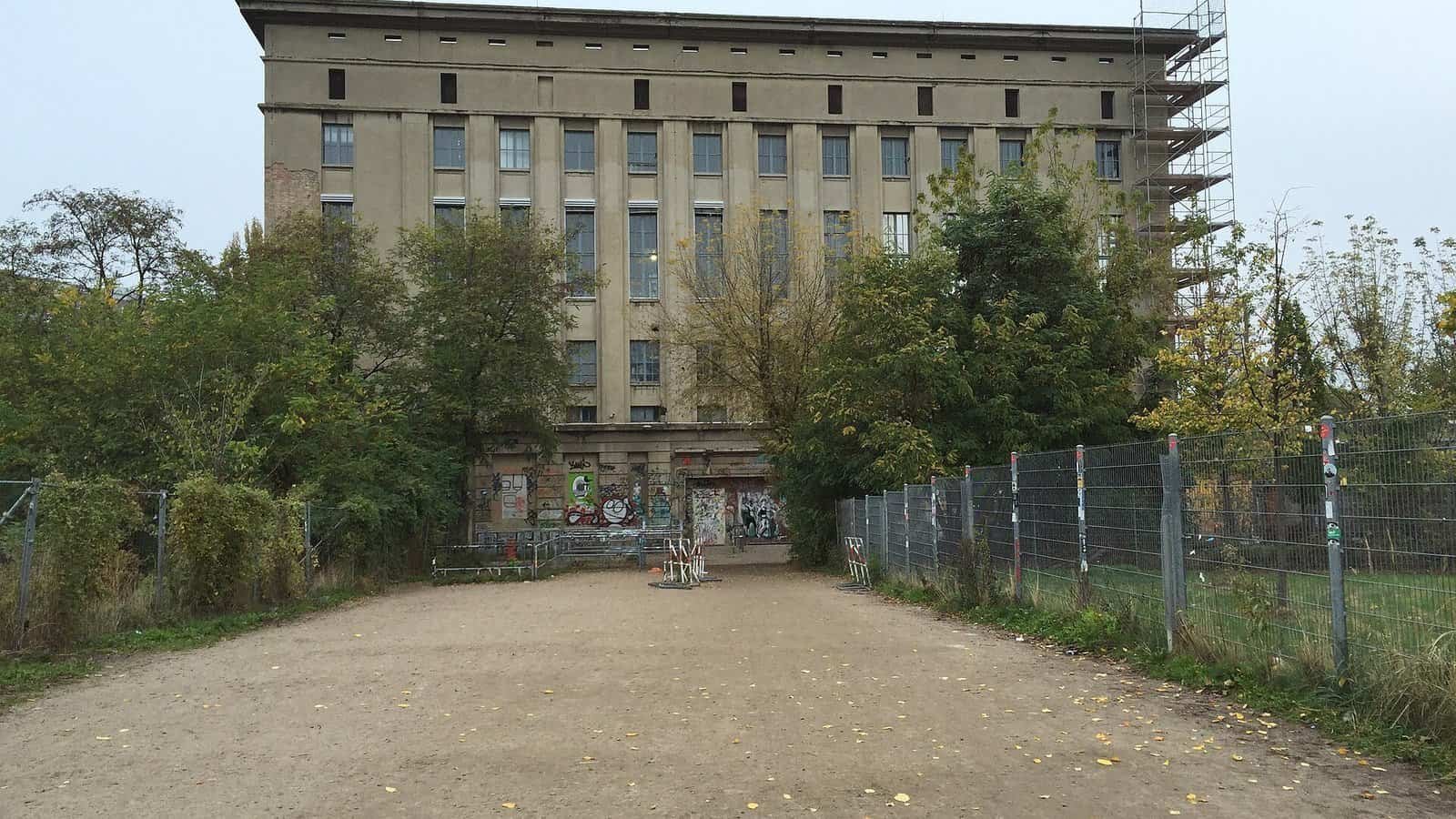
It also changed how clubs worked. Tresor, E-Werk and Berghain’s predecessor Ostgut in Berlin, the Haçienda in Manchester and Space in Ibiza turned DJs into headliners, which is the business model behind every legendary techno set that followed.
Also Read: Effects of Techno on Culture.

Where can you hear 90s techno today?
The easiest way in is a curated playlist rather than an anonymous mix: our Techno 90s (Top 100) playlist page on Spotify covers both the Berlin underground and the chart side. Tresor itself still runs in Berlin, now in a former power station, and books many of the artists above; our guide to the best techno clubs in Berlin and the list of legendary techno clubs show where the sound lives now.
Festivals are the other route. Many of the names in this guide, from Jeff Mills and Carl Cox to Dave Clarke, still play the big European weekenders, and our techno festival calendar lists who is booked where.
Also Read: Techno Clubs.

Listen: 90s techno classics
Joey Beltram – Energy Flash
Jeff Mills – The Bells
Hardfloor – Acperience 1
Plastikman – Spastik
Human Resource – Dominator
Robert Armani – Circus Bells (Hardfloor Remix)
Energy 52 – Cafe Del Mar
Paul van Dyk – For an Angel
The Prodigy – Voodoo People
Josh Wink – Higher State of Consciousness
Underworld – Born Slippy .NUXX
Green Velvet – Flash
Dave Clarke – Wisdom to the Wise
Faithless – Insomnia
CJ Bolland – Sugar Is Sweeter
Adam Beyer – Drum Code 1
Plastikman – Helikopter
90s techno songs FAQ
What are the best 90s techno songs?
Energy Flash by Joey Beltram, The Bells by Jeff Mills, Acperience 1 by Hardfloor, Spastik by Plastikman, Higher State of Consciousness by Josh Wink and Born Slippy .NUXX by Underworld are the tracks most often named as the defining 90s techno songs.
Who were the biggest techno DJs of the 90s?
Jeff Mills, Richie Hawtin, Carl Cox, Laurent Garnier, Sven Väth, Dave Clarke and Robert Hood were among the most influential techno DJs of the decade, with Miss Djax and Ellen Allien leading from the label side as well as the booth.
What BPM is 90s techno?
Most 90s techno sits between roughly 125 and 140 BPM. Detroit and Berlin records usually ran in the 130s, while acid and harder European techno pushed past 140 by the end of the decade.
What is the difference between 90s techno and 90s trance?
90s techno is built on drums, loops and texture, with little melody. Trance, which grew out of the same German scene, adds long melodic builds and breakdowns, as in Café del Mar or For an Angel.
Where can I listen to 90s techno today?
Label-run playlists such as Tresor Records Essentials on YouTube, reissues on vinyl and classic sets on Boiler Room are the easiest way in, and clubs like Tresor in Berlin still book the original artists.
Our take
The 90s are easy to romanticise, and plenty of what came out then has aged badly. The records on this list have not, because they were built on ideas rather than production tricks: a loop, a drum pattern, one synth line pushed further than anyone expected. That is why DJs still drop The Bells or Energy Flash in 2026 and nobody treats it as a nostalgia moment. If you only listen to one thing from this guide, make it Plastikman’s Sheet One from start to finish.
Also Read: How To Make Techno.
If there are any tracks that you would recommend to other readers, comment down below!