How Berlin Techno Started in a Bank Vault: The Wall, Tresor and the Detroit Connection
Berlin techno began in the vault of a bombed-out department store. The story of Tresor, the fall of the Wall and the Detroit connection, and how the same idea became Berghain and Sisyphos, with our short documentary.

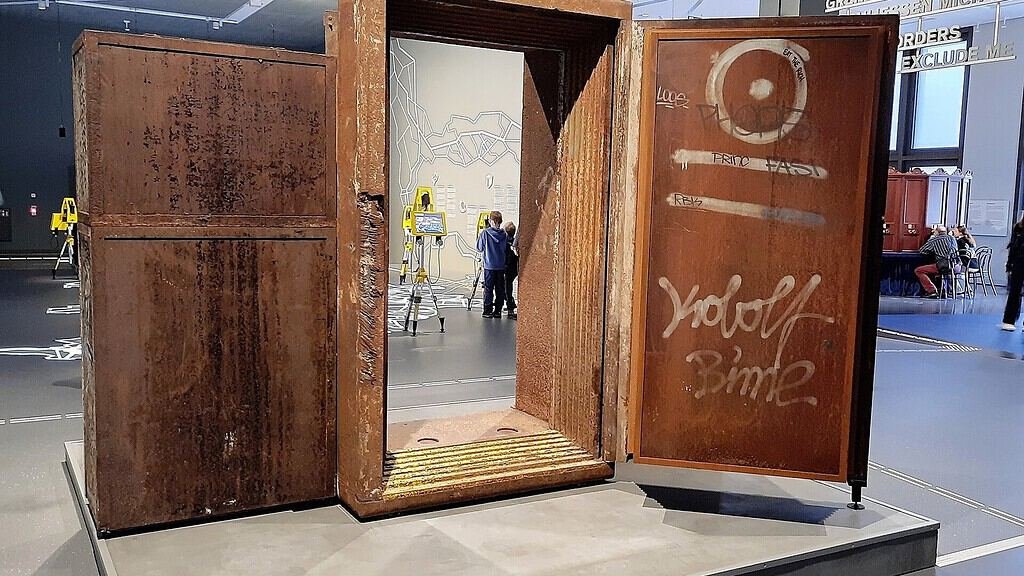
Berlin did not invent techno. Detroit did. But in the early hours of 13 March 1991, a crowd climbed down into the vault of a bombed-out department store near Potsdamer Platz, and the music found the room that made it a culture. That room was Tresor. This is the story of how it got there: a city with no closing time, a Wall that fell, a set of rusting safe deposit boxes and a direct line to Detroit, and how the same idea later became Berghain and Sisyphos.
Watch: the story in seven minutes
We told this story as a short documentary on the Techno Airlines YouTube channel, built from archive photography of the Wall years, the Wertheim store and the clubs themselves. The narration is in English, with audio tracks in German, French, Turkish, Italian, Spanish and Portuguese: pick one under the settings icon in the player.
The article below goes further than the film, with the dates, the names and the places you can still visit.
Before the Wall fell: a city with no last orders
Two things were in place before anyone played a techno record in Berlin. The first was time. In 1949, West Berlin hotelier Heinz Zellermayer talked the Allied commandants into dropping the closing time for bars and restaurants, and it never came back. A night out in West Berlin could simply keep going, which is still the reason a Berlin club can open on Friday and close on Monday.
The second was a small scene. In 1988 a club called Ufo opened in the basement of a house on Köpenicker Straße in Kreuzberg. It was illegal, tiny, and reached by a ladder. It played acid house when almost nobody else in the city did, and one of the people behind it was Dimitri Hegemann, who ran the Atonal festival. In July 1989, Dr. Motte and Danielle de Picciotto led about 150 people down the Kurfürstendamm behind a sound system and called it the Love Parade. The after-party was at Ufo.
1989: the Wall opens and the East is empty
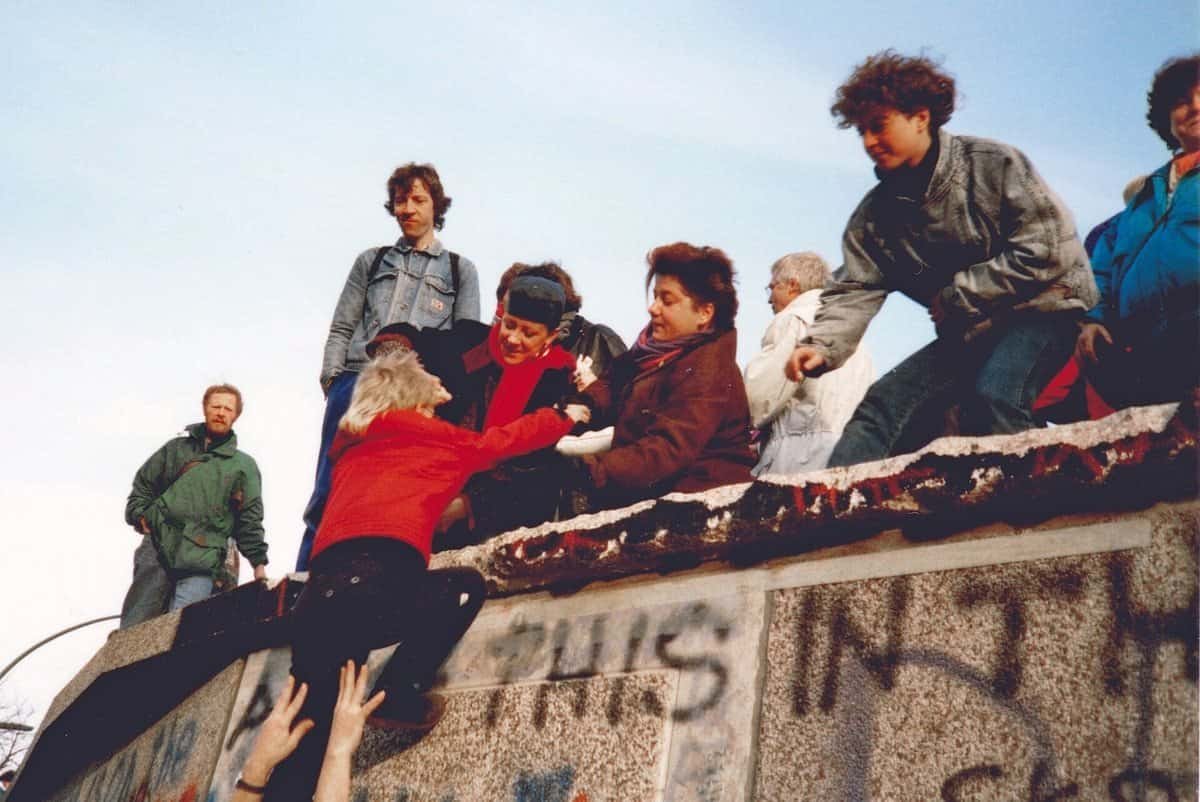
On 9 November 1989 the border opened. Within months, East Berlin was full of buildings with no clear owner: power stations, bunkers, factories, shops, whole blocks along the former border strip. Nobody was sure who they belonged to, and for a while nobody checked. For a generation of young people from both halves of the city, who had grown up a few kilometres apart and never met, these rooms were the first neutral ground. The soundtrack they chose was the hardest, newest thing they could find, and it had no lyrics to disagree about.
Ufo closed in 1990. Its organisers went looking for a bigger room in the East.
1991: the vault under the Wertheim store
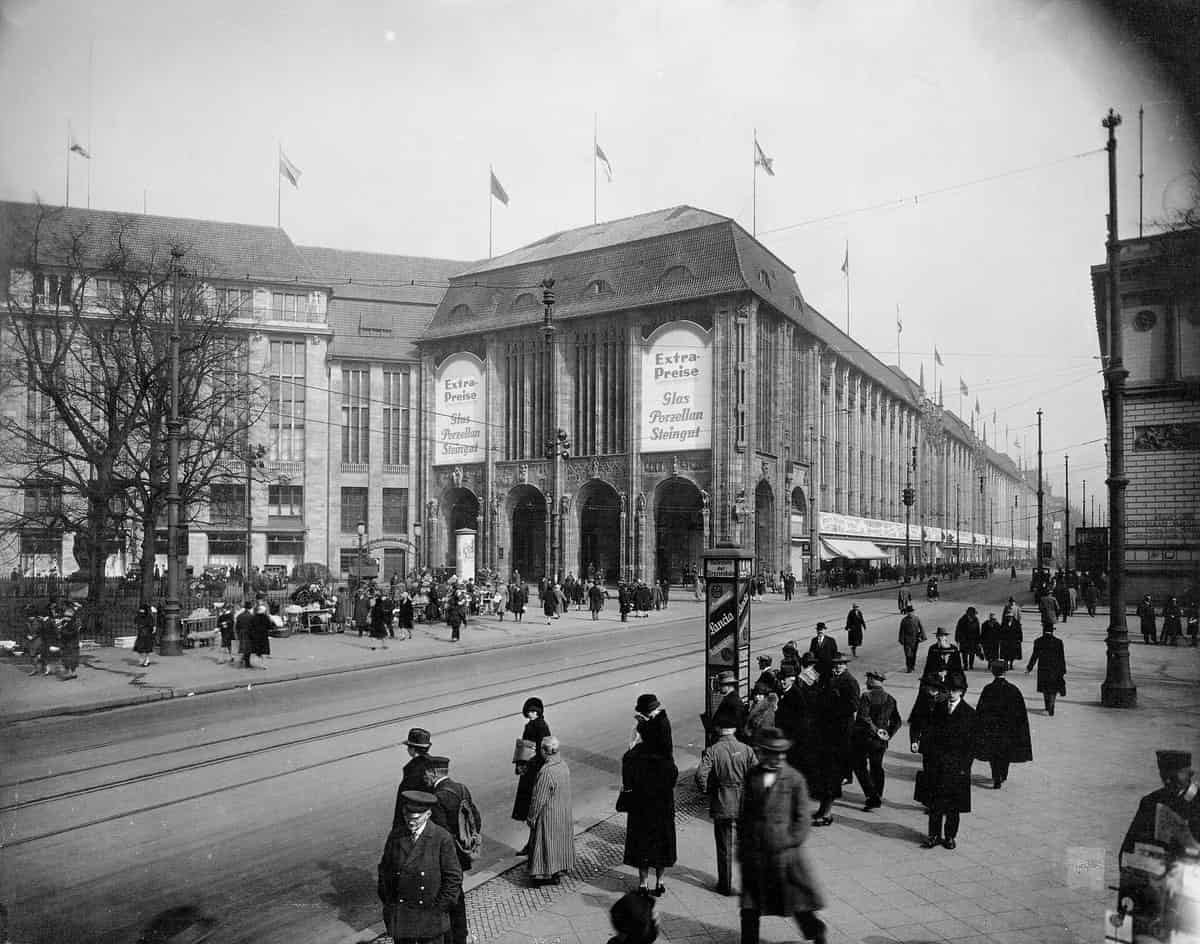
Wertheim on Leipziger Platz was once the largest department store in Europe. Its Jewish owners were forced out under the Nazis in 1937, the building was wrecked by bombing in the war, and what was left ended up beside the Wall, in the middle of nowhere. The ruins were cleared. The basement was not. Under the wasteland at Leipziger Straße 126a, the store’s vault was still there, with its steel doors and rows of broken safe deposit boxes.
Hegemann and his partners from Ufo found it in early 1991 and took a lease. They changed almost nothing. The safe deposit boxes stayed on the walls, a set of steel bars stood in front of the DJ booth, and the name was simply the German word for safe or vault: Tresor. It opened at midnight on 13 March 1991, and it is generally counted as Berlin’s first techno club.
The room did the rest. A low concrete ceiling, sweat running down the walls, a strobe, fog and very little else. Music that sounded harsh on a home stereo made complete sense in there. We have collected the surviving photos and footage in inside Tresor Berlin.
The Detroit connection
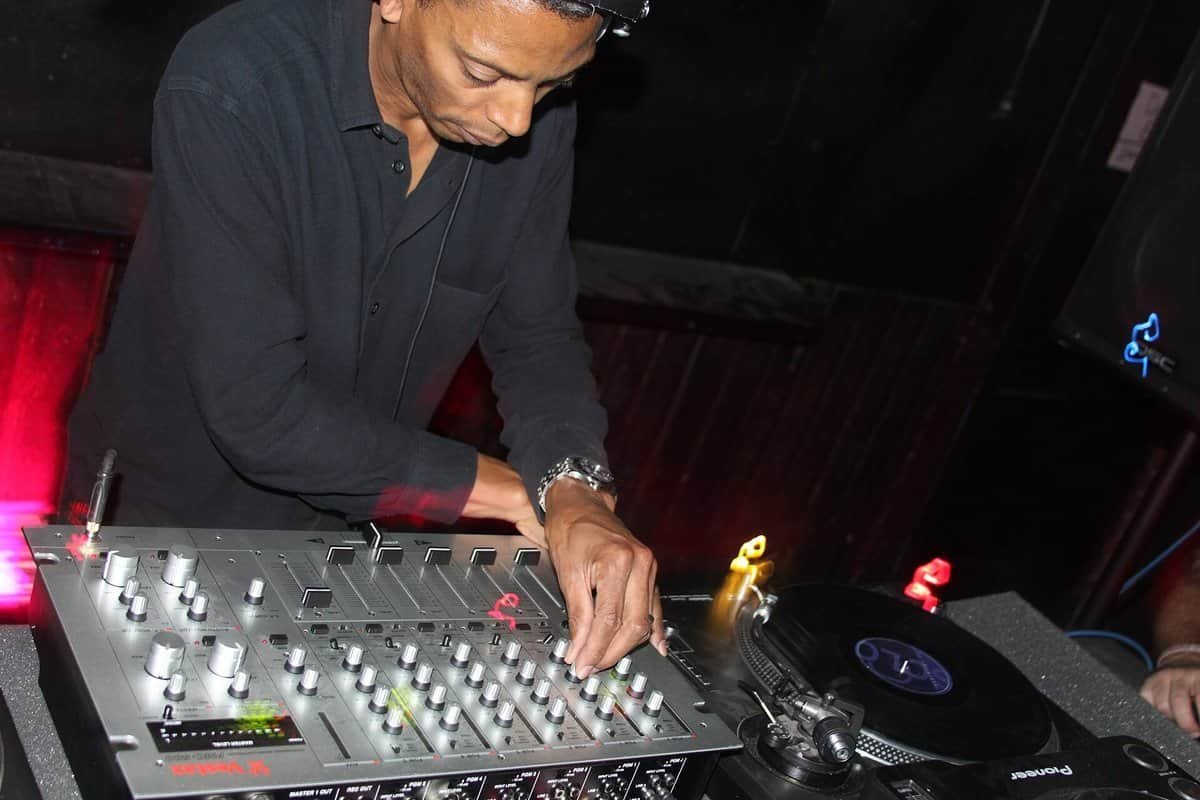
What turned a good basement into a world address was a flight path. Techno had been made in Detroit since the mid-1980s by the late Juan Atkins, Derrick May and Kevin Saunderson, but at home it was a small scene in a shrinking city. Hegemann invited its second wave to Berlin. Jeff Mills, Robert Hood, Blake Baxter and Atkins himself all played the vault, alongside Berlin residents such as Tanith.
Later in 1991 the club started a label, Tresor Records. Its first release was X-101, a project by Mike Banks, Mills and Hood of Underground Resistance. Detroit supplied the records and the DJs; Berlin supplied the rooms, the crowds and the opening hours. Each city gave the other something it did not have, and the exchange has never really stopped. Tresor Records is still on our list of the most influential techno labels.
The 1990s: from a basement to 1.5 million people
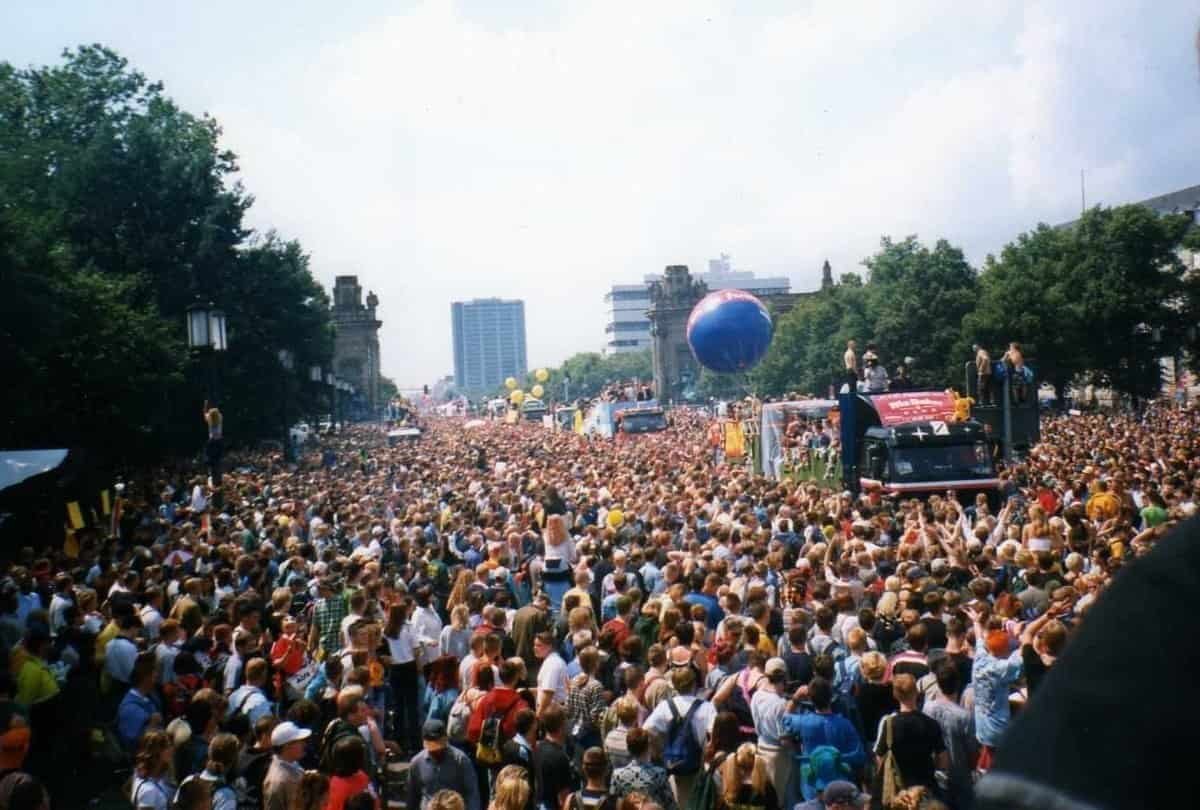
Through the decade the scene grew in two directions at once. Underground, clubs kept opening in whatever the East had left empty. Above ground, the Love Parade went from 150 people in 1989 to around 1.5 million in 1999, which still makes it one of the largest crowds any DJ has played to. Techno was no longer a secret. It was the sound of the reunified city, and the city knew it.
It could not last in that form. The empty lots around Potsdamer Platz became some of the most valuable building land in Europe. Tresor’s lease was always temporary, and on 16 April 2005 the vault held its last party. The building was demolished the following month, and offices stand there now.
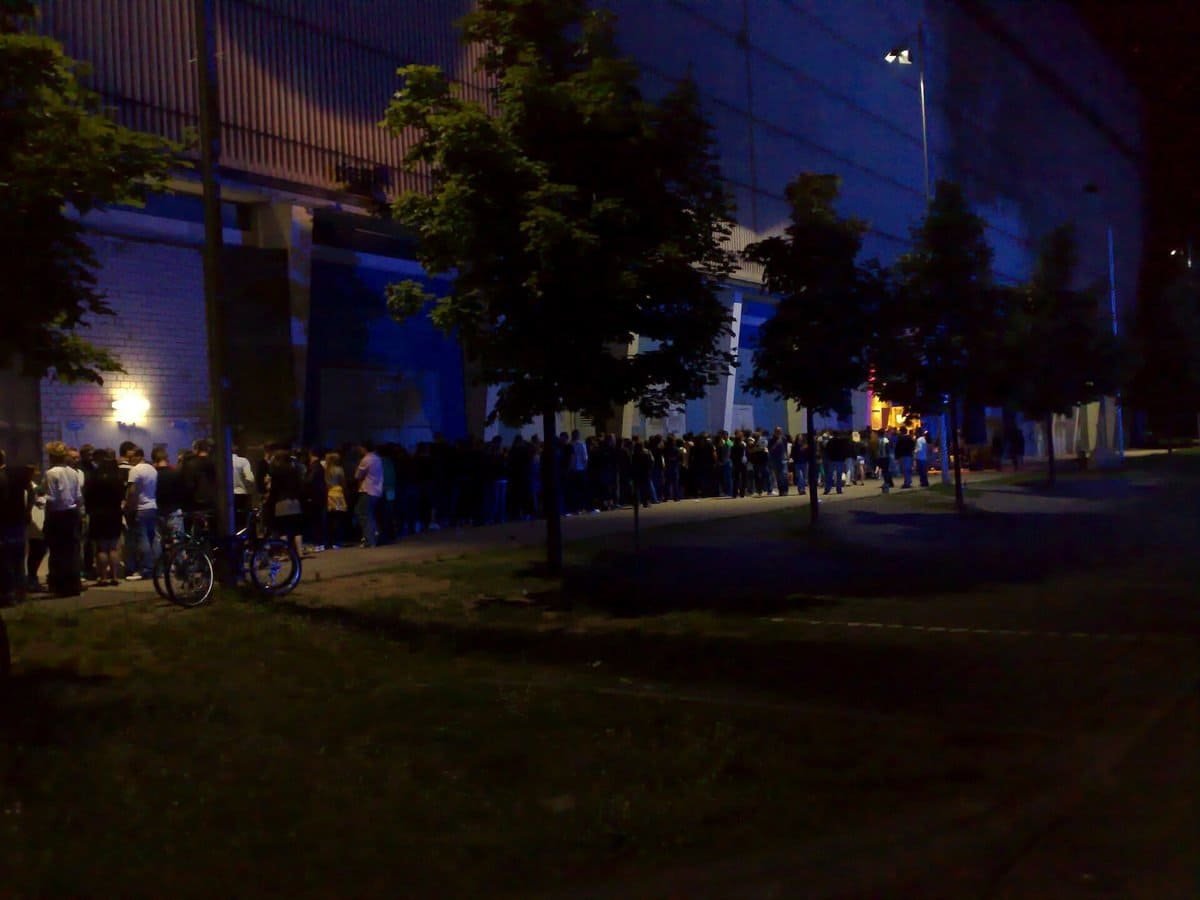
Tresor reopened in May 2007 in the Kraftwerk, a decommissioned power station on Köpenicker Straße, and took part of the vault with it: the old safe deposit boxes and the steel bars were rebuilt in the new basement. One of the original vault doors went to a museum instead. It stands in the Berlin Global exhibition at the Humboldt Forum, still covered in rust and graffiti.
Three rooms that carried the idea on
Tresor set the pattern: take an industrial building nobody wants, change as little as possible, and let the night run. Two later clubs took that pattern in opposite directions.
 Tresor: the vault
 Tresor: the vault
The original. Still open most weekends in the Kraftwerk, still built around a low, dark basement floor. Its sister club in Dortmund, Tresor.West, is closing at the end of 2026, but the Berlin club carries on.
Berghain: the door
 Berghain: the door
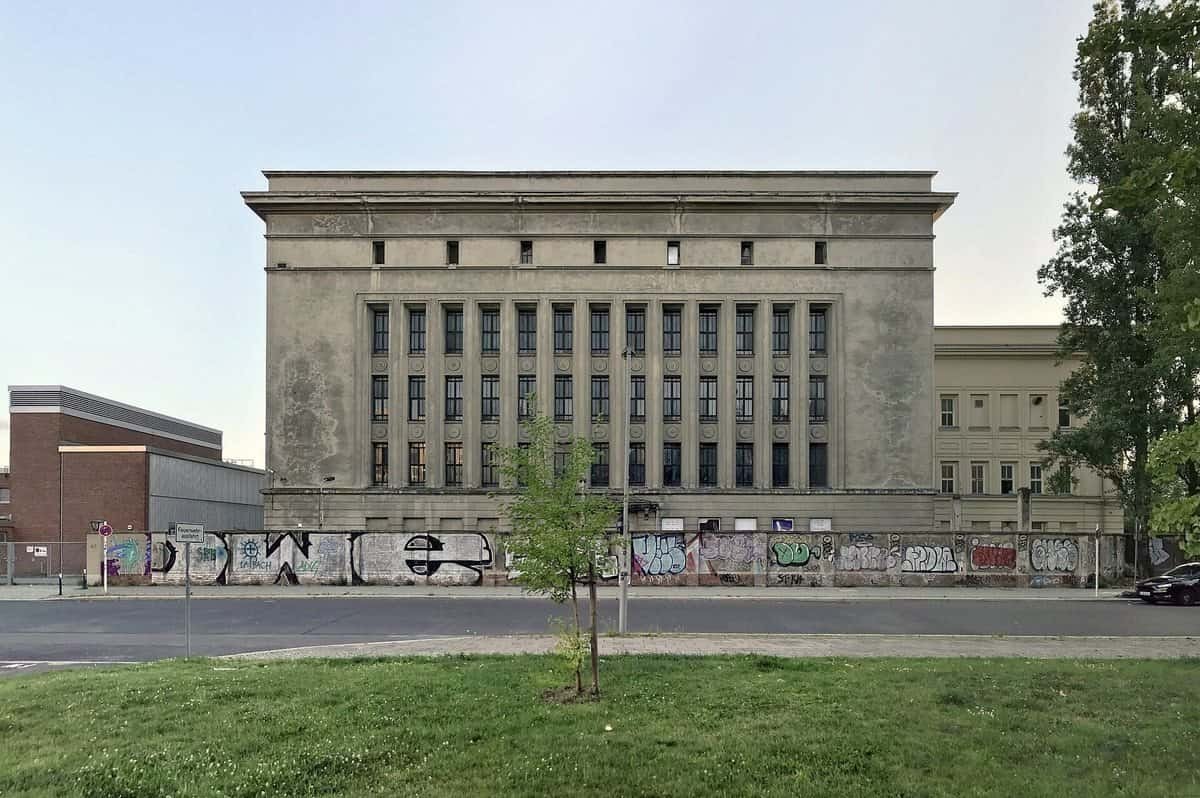
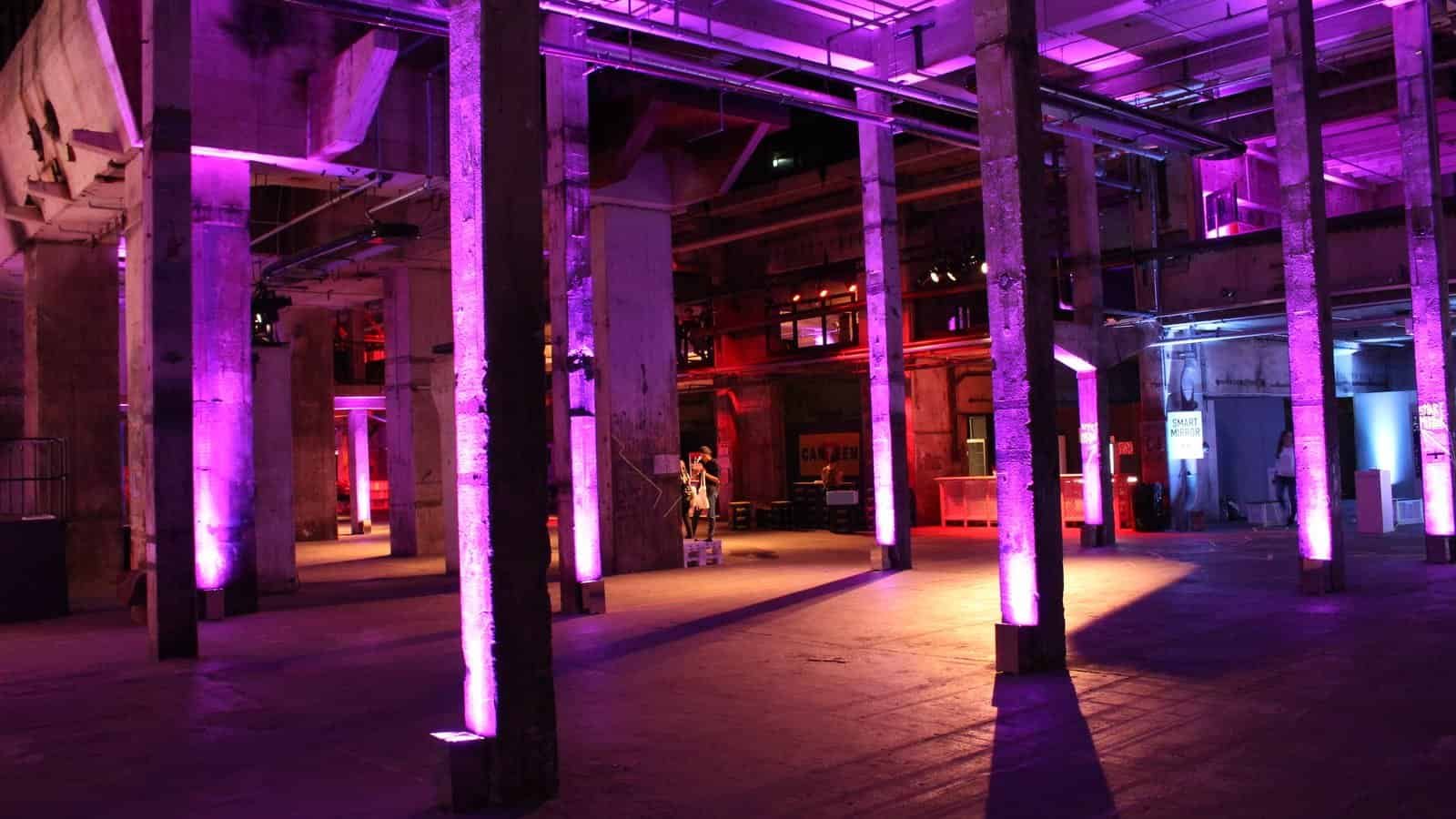
Berghain grew out of Ostgut, a club that Michael Teufele and Norbert Thormann opened in a former railway depot in 1998 and lost to an arena development in January 2003. They moved into a power station built in the early 1950s on the border of Kreuzberg and Friedrichshain, which gave the club its name. Panorama Bar opened in October 2004 and the main floor, with its 18-metre ceiling, that December.
Where Tresor was about the room, Berghain made the rules part of the experience: no photos, a sticker over your phone camera, no mirrors in the toilets, and a door run by Sven Marquardt whose decisions nobody can predict. Residents such as Ben Klock and Marcel Dettmann and the house label Ostgut Ton gave it a sound of its own. In 2016 a German tax court ruled that its nights count as cultural events, taxed at the reduced 7 per cent rate used for concerts and theatre rather than 19. If you want to try the queue, read how to get into Berghain first, then see what it looks like inside.
Sisyphos: the factory
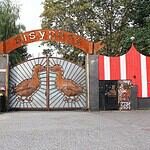 Sisyphos: the factory
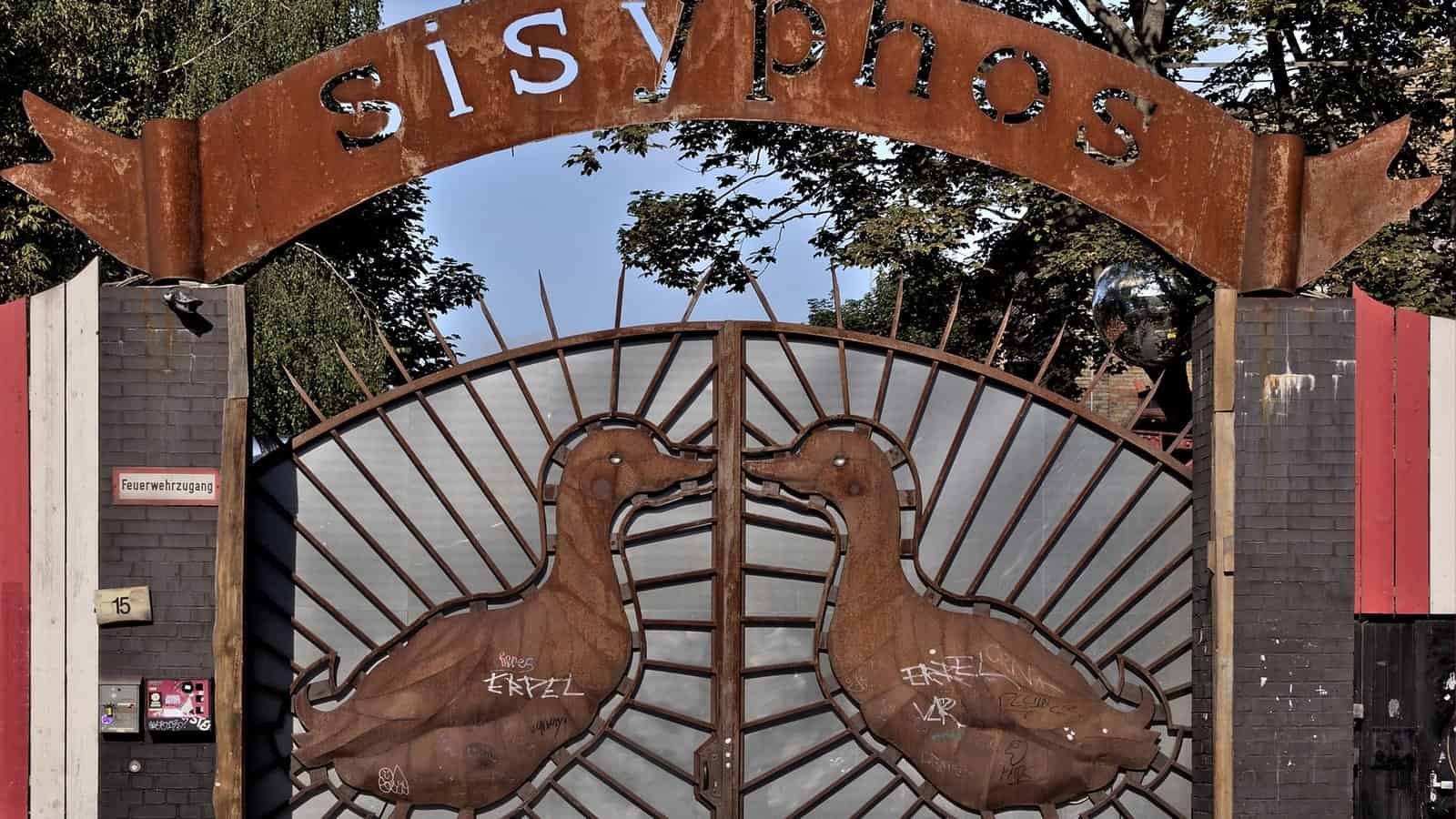
Sisyphos is the same idea turned inside out. It sits in a dog biscuit factory from 1894 in Rummelsburg, with a beach, a garden and five floors, and its parties have run since 2009 from Friday night to Monday morning. Where Berghain is concrete and discipline, Sisyphos is closer to a small festival that happens to have a postcode. In September 2026 Time Out named it the best club in Europe. Our inside Sisyphos page shows the site.
Berlin techno timeline
| When | What happened |
|---|---|
| 1949 | West Berlin drops its closing time for bars after a campaign by hotelier Heinz Zellermayer |
| 1988 | Ufo, an illegal acid house club, opens in a Kreuzberg basement |
| July 1989 | The first Love Parade: about 150 people on the Kurfürstendamm |
| 9 November 1989 | The Berlin Wall opens |
| 13 March 1991 | Tresor opens in the Wertheim vault on Leipziger Straße |
| Late 1991 | Tresor Records launches with X-101 from Detroit |
| 1998 | Ostgut opens in a former railway depot in Friedrichshain |
| 1999 | The Love Parade peaks at around 1.5 million people |
| 2004 | Berghain opens in a former power station: Panorama Bar in October, the main floor in December |
| April 2005 | The last night in the original Tresor vault; the building is demolished weeks later |
| May 2007 | Tresor reopens in the Kraftwerk power station on Köpenicker Straße |
| 2009 | The first parties at Sisyphos in a former dog biscuit factory |
| 2016 | A German tax court treats Berghain nights as cultural events |
| 13 March 2024 | Berlin techno culture joins Germany’s national inventory of intangible cultural heritage |
Where Berlin techno stands in 2026
On 13 March 2024, Germany added Berlin’s techno culture to its national inventory of intangible cultural heritage. The campaign was led by Dr. Motte’s organisation Rave The Planet, and the date was 33 years to the day after Tresor opened its vault door.
Recognition has not paid the rent. In the Clubcommission’s 2026 study, 39 per cent of Berlin clubs said they were running at a loss, against 21 per cent in 2017, and several well-known rooms have closed or announced closing dates. We covered the numbers in Berlin clubs closing in 2026. The thing that created the scene, cheap empty space in the middle of a capital city, is the one thing Berlin no longer has.
The rooms that remain are still worth the trip. Start with our guide to the best clubs in Berlin, check what is on in Berlin, and if you want the full map, the techno clubs in Germany.
Berlin techno history FAQ
Where did Berlin techno start?
In basements. The first was Ufo, an illegal acid house club that opened in Kreuzberg in 1988. The club that defined the sound was Tresor, which opened on 13 March 1991 in the vault of the former Wertheim department store on Leipziger Straße, close to Potsdamer Platz.
When did Tresor open?
Tresor opened at midnight on 13 March 1991. The original vault closed in April 2005 and the building was demolished. The club reopened in May 2007 in the Kraftwerk power station at Köpenicker Straße 70, where it still runs today.
Why do Berlin clubs have no closing time?
West Berlin abolished its closing time for bars in 1949, after hotelier Heinz Zellermayer persuaded the Allied commandants to drop it. The rule was never brought back, which is why a Berlin club night can run from Friday to Monday.
What does Detroit have to do with Berlin techno?
Techno was invented in Detroit in the 1980s. From 1991 Tresor booked Detroit artists such as Jeff Mills, Juan Atkins, Blake Baxter and Robert Hood, and its label Tresor Records released their music, starting with X-101 by Underground Resistance members.
Is Berlin techno a UNESCO World Heritage?
Not exactly. On 13 March 2024 Germany added Berlin’s techno culture to its national inventory of intangible cultural heritage, which is kept under the UNESCO convention. It is a German listing, not an entry on UNESCO’s international lists.
Can you still visit the original Tresor vault?
No. The vault on Leipziger Straße was demolished in 2005 and offices stand there now. Some of the old safe deposit boxes and steel bars moved to the new club, and one of the original vault doors is on show in the Berlin Global exhibition at the Humboldt Forum.
The TA view
The usual version of this story is about freedom, and that is true as far as it goes. The less romantic version is about property. Berlin techno happened because for a few years after 1989 nobody owned the buildings, nobody enforced a closing time and nobody was watching. Tresor, Berghain and Sisyphos are what people built when a city left them alone. That is worth remembering every time a club loses its lease: the vault door is in a museum now, and the music it was made for should not follow it there. Go while the rooms are still open.
Keep exploring: inside Tresor · inside Berghain · inside Sisyphos · inside KitKatClub · best techno clubs in Europe · Berlin events