How to Become a Techno DJ: a Step-by-Step Guide for 2026
Discover essential skills and insights to succeed as a techno DJ. From beatmatching to marketing, this guide covers everything to elevate your career.

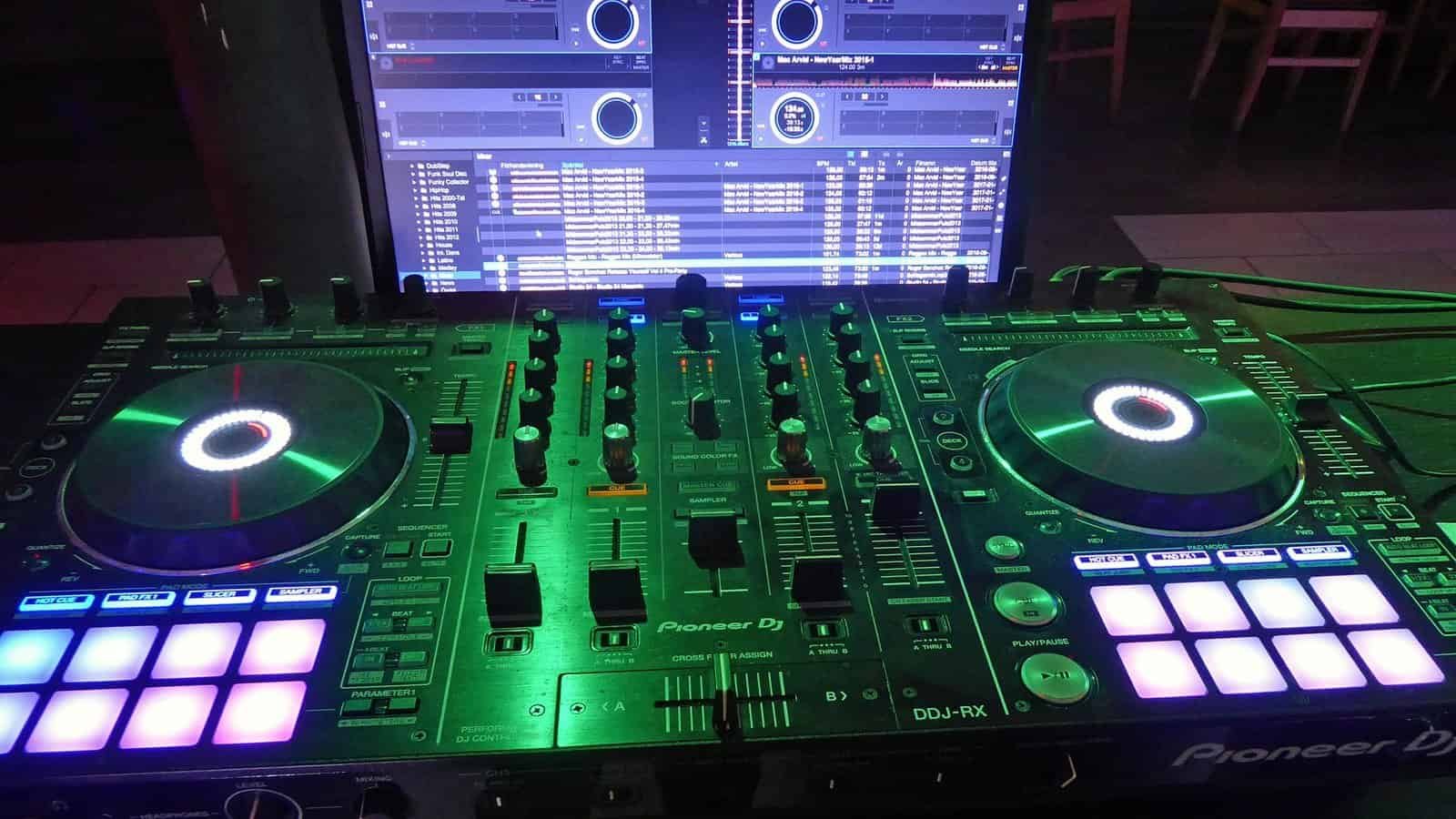
To become a techno DJ, start with a two-channel controller and free software, learn to beatmatch by ear and mix in 16 and 32-bar phrases, build a library you know inside out, then record mixes and play wherever you can: warm-up slots, small bars, your own parties. Expect months of regular practice before a first real club booking.
Updated: 12 October 2026
This guide is written for someone who loves the music and wants to play it, not for someone chasing a festival main stage by next summer. It is ordered the way the skills actually stack up: listening first, then gear, then the mechanics of a techno mix, then the set, the recording and the gigs. Every product named below was on its maker’s official site in October 2026; we have left prices out because they change by country and by month.
How do you get into techno before you DJ it?
Techno DJing is mostly listening. The people who mix it well can tell a Detroit record from a Berlin one, know why a hypnotic 132 BPM roller works at 3am and a breakbeat-heavy track does not, and have spent years on dancefloors watching what moves a room. If you are new to the genre, that comes first.
- Learn the family tree. Our history of what techno music is covers the Detroit roots, and the guide to techno genres and subgenres explains the difference between dub, minimal, peak time, industrial, acid and hard techno. You will be filing your music this way later.
- Follow names, then labels. Start with 20 techno artists every beginner should know, then dig into their labels. A label catalogue is the fastest way to find twenty more records with the same feel.
- Go out, and stand near the booth. Watch when the DJ brings the next track in, how long both play together and what happens to the low end during the blend. Our directory of techno clubs lists rooms in every region, and plenty of them have small weeknight parties where you can watch closely.
What equipment do you need to become a techno DJ in 2026?
Less than the forums suggest. You need something to mix on, decent closed-back headphones and speakers that let you hear the kick and bass. The table below groups current kit by what it does for a techno DJ, from the first bedroom setup to the gear in a club booth.
| Stage | Current examples (2026) | Software | Why it matters for techno |
|---|---|---|---|
| 1. First controller | Pioneer DJ DDJ-FLX4, AlphaTheta DDJ-FLX2, Native Instruments Traktor MX2 | rekordbox, Serato DJ Lite, Traktor Play, djay (FLX4, FLX2); Traktor Pro 4 included (MX2) | Two channels are enough to learn beatmatching, EQ swaps and phrasing |
| 2. Four channels | AlphaTheta DDJ-GRV6, Pioneer DJ DDJ-FLX10 | rekordbox, Serato DJ Pro | Room to layer loops, tools and a third track, which is how much techno is played |
| 3. Standalone, no laptop | AlphaTheta XDJ-AN (2 channels), AlphaTheta XDJ-AZ (4 channels), Denon DJ Prime 4 G2, Denon DJ Prime GO+ | Prepared in rekordbox (AlphaTheta) or Engine DJ (Denon DJ) | The XDJ-AZ copies the layout of the CDJ-3000 and DJM-A9, so club booths feel familiar |
| 4. Club booth | AlphaTheta CDJ-3000X or CDJ-3000 players; CDJ-1500X in smaller venues; Pioneer DJ DJM-A9 or DJM-V10, AlphaTheta DJM-V5, Allen & Heath Xone:96 mixers | USB sticks exported from rekordbox; streaming and cloud on the X models | This is what you will meet at a gig, so practise on it before your first booking |
| 5. Vinyl | Technics SL-1200MK7 / SL-1210MK7 turntables with any club mixer; timecode vinyl such as Traktor Control Vinyl | None for pure vinyl; Traktor Pro 4 or Serato DJ Pro for timecode | Teaches beatmatching by ear like nothing else; many techno nights still book vinyl DJs |
Models and software compatibility checked on the AlphaTheta, Pioneer DJ, Native Instruments and Denon DJ websites in October 2026. AlphaTheta introduced the CDJ-1500X on 2 July 2026 and the XDJ-AN on 9 July 2026.
Which DJ controller should a beginner buy for techno?
Any of the stage one units will do the job. The DDJ-FLX4 is the safe default because it runs rekordbox, the software you will later use to prepare USB sticks for club players. The Traktor MX2 is the pick if you want Traktor Pro 4 from day one, with its stem separation, flexible beatgrids and a Pattern Player that ships with percussion kits from Rebekah, Luke Slater, Len Faki and Chris Liebing. Skip anything with tiny jog wheels and no proper EQ knobs: techno lives in the bass EQ.
Headphones and speakers
Closed-back DJ headphones that isolate well and survive being thrown in a bag, such as the Sennheiser HD 25 or AlphaTheta HDJ-F10, matter more than the controller. For speakers, pick a pair of studio monitors that reproduce low bass cleanly at moderate volume; if you cannot hear the kick and the bassline separately, you cannot mix them. Protect your hearing: practise at sensible levels and wear earplugs in clubs.
If you are leaning towards the standalone route, our news piece on the AlphaTheta XDJ-AZ launch has the details of that unit.
Which DJ software is best for techno?
The honest answer is the one that matches the gear you will play on. Four platforms cover almost every booth:
- rekordbox 7 (AlphaTheta): the route to CDJs and XDJs, because you analyse and export your library to USB here. The July 2026 update (7.2.16) added CDJ-1500X and XDJ-AN support.
- Traktor Pro 4 (Native Instruments): popular with many techno DJs for its effects, loop and remix decks; version 4 added stems and flexible beatgrids.
- Serato DJ Pro: strong stems and performance features, currently at version 4.0.10; best known in open-format and hip-hop booths.
- Engine DJ (Denon DJ): needed if you play on Denon DJ standalone units such as the Prime 4 G2.
Whatever you choose, learn to turn sync off. Sync is useful, but the moment a beatgrid is wrong on an old record or a live-played track, you need your ears.
How do you start mixing techno music?
A techno mix is three skills working together: matching the tempo, starting the new track at the right point in the arrangement, and sharing the low end so the two kicks and basslines do not fight. Practise them one at a time.
Beatmatching techno by ear
Load two tracks with similar tempos. Start the incoming track on the first kick of a bar, listen in your headphones with one ear and to the speakers with the other, and nudge the jog wheel until the kicks land together. Then use the pitch fader to stop them drifting apart. When the kicks “flam” (sound doubled), the incoming track is either ahead or behind; working out which, quickly, is the skill. Techno makes this easier than most genres because the kick sits on every beat and the tracks are long, but harder in one way: with no vocals to guide you, a tiny drift is very audible.
Keep tempo changes small. Most techno sits between 125 and 140 BPM and the club sweet spot is roughly 128 to 135; our techno BPM guide lists the range for every style and explains why moving 1 or 2 BPM every few tracks keeps a floor locked in.
Phrasing: when to bring the next track in
Techno is built in bars of four beats, grouped into phrases of 8, 16 or 32 bars. Something changes at the start of each phrase: a hi-hat enters, the bass drops out, a breakdown begins. If you start the incoming track so its first beat lands on the first beat of a phrase in the playing track, the two arrangements move together and the mix sounds deliberate. Count bars out loud at first, or watch the phrase markers in your software, until you feel them.
The bass swap and long blends
Two techno kicks and two basslines at full level turn into mud. The standard move is to bring the new track in with its low EQ cut, ride both tracks for a phrase or two, then swap: low EQ down on the outgoing track and up on the incoming one, on the first beat of a phrase. From there, techno rewards patience. Blends of a minute or more, filters opened slowly and a third element such as a loop or percussion tool layered on top are all normal. The classic three approaches, long blend, quick cut and layering, are shown well in this tutorial:
A simple practice routine
- Twenty minutes of beatmatching with sync off, using the same two tracks until it feels boring.
- Ten transitions in a row, each one starting on a phrase, each with a clean bass swap.
- One recorded 30 minute mix a week, played back the next day with fresh ears.
How do you build a techno DJ set?
Track selection is what people remember. Technical mixing only keeps them from noticing the joins.
Build a library you actually know
Buy music from stores that pay artists, such as Beatport, Bandcamp and your local record shop, and listen to every track all the way through before it goes in a crate. Tag tracks by energy and by role (opener, groove, peak, tool, closer) rather than only by subgenre. A few hundred tracks you know well beat ten thousand you have never heard past the drop. Streaming inside rekordbox, Traktor and the newer AlphaTheta players is handy for discovery, but keep your core sets as files so a weak Wi-Fi signal cannot end your night.
Plan the energy, not the playlist
Think about the slot you are playing. A warm-up should leave room for the next DJ, often starting in the low to mid 120s with deeper, more spacious records. A peak-time set climbs in energy and tempo; a closing set can either push harder or bring people gently home. Prepare more music than you need, roughly in that arc, and choose the order live by watching the floor. Read the room, not your phone.
Learn from long sets
Watch how established DJs keep tension for an hour. Ben Klock, a Berghain resident and founder of Klockworks, is a good study in long blends and patience:
For a rawer, electro-leaning approach, Helena Hauff, who made her name DJing at Hamburg’s Golden Pudel Club, shows how much character comes from selection alone:
Our list of the best techno DJ sets of all time gives you ten more to study.
How do you record a techno mix?
A recorded mix is your CV. Promoters will listen to the first few minutes and a couple of random points in the middle, so every part needs to hold up.
- Record internally or from the mixer. rekordbox, Traktor Pro 4 and Serato DJ Pro all have a built-in recorder. On standalone gear or CDJs, take the mixer’s record or booth output into an audio interface and record on a laptop.
- Watch your levels. Keep the master out of the red and leave a little headroom. A clipped, distorted recording sounds amateur on any speaker, and limiting it afterwards will not fix it.
- Make it a statement. Forty-five minutes to an hour, in one style, with a clear opening and a proper ending. Record several takes and publish only the best.
- Write a tracklist. Credit every artist and label. It is good manners, and promoters use it to see what you play.
- Choose the right platform. Mixcloud holds licences with collecting societies so DJ mixes with copyrighted music can stay up, within its rules on how many tracks per artist a show may include. SoundCloud and YouTube can block or mute mixes that trigger copyright detection, so check their current policies before uploading.
How do you get your first gigs as a techno DJ?
Almost nobody gets booked from an online mix alone. First gigs come from being part of a local scene.
Be a regular before you ask
Go to the same nights repeatedly, talk to the residents and the promoters, buy records in the same shop. When you do ask for a slot, people already know you love the music. Resident Advisor listings show which promoters in your city run techno nights, and who they book.
Ask for the warm-up, and do it well
The opening slot is where most techno DJs start. Play below the headliner’s energy, keep the tempo modest and hand over a floor that is warm, not exhausted. A promoter who sees you do that once will usually call again; a warm-up DJ who plays peak-time bangers at 11pm rarely gets a second booking.
Start your own party
If nobody books you, book yourself. A bar with a sound system on a Thursday, a small room with friends playing back to back, a monthly night with a name and a look. Many of today’s touring techno DJs built their careers through parties and labels they started themselves.
Prepare a simple press kit
A short biography in the third person, two or three good photos, links to your best two mixes and your social profiles. Send it to promoters individually, with a line about why your sound fits their night. Then turn up on time, bring two USB sticks and your own headphones, and check the booth setup before your set.
Do you need to produce techno to get booked?

Not to play locally, but at international level it becomes very hard without releases. Records on respected labels are how promoters and agents in other cities hear about you. If you want to start, our beginner’s guide on how to make techno music covers the DAW, the drum programming and the first finished track. When you have music worth sending, research labels whose catalogue sounds like yours; our overview of the most influential techno labels is a starting point. Send short, personal demos with private links, not attachments.
Is a techno DJ course worth it, or can you learn from tutorials?
You can learn the mechanics for free. Native Instruments and AlphaTheta both publish official beginner tutorials, and DJ schools run solid lessons on YouTube. A paid course or private lessons make sense when you want structured feedback: someone watching your hands, telling you why a transition did not work. If you take one, choose a teacher who plays techno in clubs, ask what you will be able to do at the end, and make sure there is booth time on club-standard players.

Above all, find your own sound. The DJs people travel to hear are recognisable within a few minutes, because their selection has a point of view. That only comes from digging for music nobody handed you.
FAQ
How long does it take to learn to DJ techno?
Most people can beatmatch two techno tracks within a few weeks of regular practice. Mixing confidently in phrases, with clean bass swaps and a set that holds a room, usually takes many months of regular practice before a proper club booking.
What is the best DJ controller for techno beginners?
A two-channel controller such as the Pioneer DJ DDJ-FLX4, AlphaTheta DDJ-FLX2 or Native Instruments Traktor MX2 is enough to learn. The DDJ-FLX4 runs rekordbox, which you later use to prepare music for club CDJs; the Traktor MX2 includes Traktor Pro 4.
How do you start mixing techno music?
Start by beatmatching two tracks of similar tempo by ear with sync off. Then learn to start the new track at the beginning of a 16 or 32-bar phrase, and swap the bass EQ between the two tracks so the kicks and basslines never play at full level together.
What BPM do techno DJs play at?
Most techno sits between 125 and 140 BPM, with club sets often around 128 to 135 BPM. Warm-up sets usually start lower, while hard techno runs from about 140 to 160 BPM.
How do techno DJs get their first gigs?
Usually through their local scene: being a regular at a night, building relationships with promoters, asking for warm-up slots and playing them well, and starting their own parties. A strong recorded mix and a short press kit help when approaching promoters.
Also read: techno BPM for every style, techno genres and subgenres and techno clubs around the world.
Cover photo: Jonn Leffmann, Wikimedia Commons, CC BY 3.0, cropped.