“Gross Is Not Net”: Gordo on What DJs Actually Take Home
Gordo breaks down a $300,000 DJ booking in his "Gordo Goes To Harvard" series: tax, management, agency, flights and crew all come off before the artist is paid.

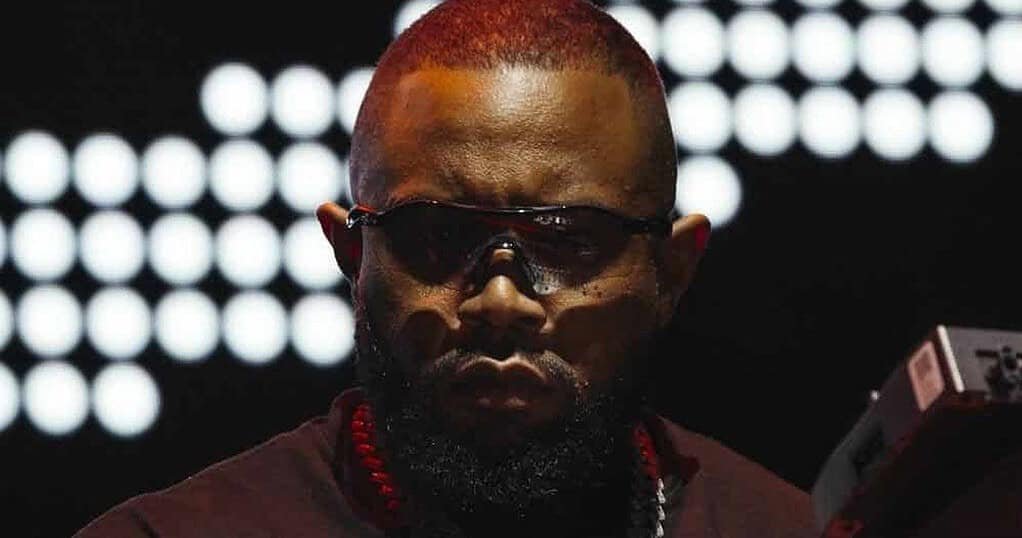
Gordo has put a number on the gap between what a DJ is booked for and what a DJ keeps, and the phrase he chose is blunt: “Gross is not net. A big booking is not the same as keeping the money.”
It comes from a new episode of “Gordo Goes To Harvard”, the educational series he runs through his TARAKA platform, as reported by EDMTunes on 9 November. The example he uses is a single show with a $300,000 fee, the kind of figure that ends up in a headline and then in a rich list.
A DJ can book a $300,000 show and it sounds crazy. Then taxes come off the top, then expenses, your manager, flights, hotels, and your whole team getting paid. By the time it all clears, you’re not walking away with what people think you are.
The fee is the starting point
Gordo gives no percentages of his own. EDMTunes fills that in with the standard industry ranges: a booking agency typically takes 10 to 15 percent of the fee, and management a further 15 to 20 percent. Taken at the top of both ranges and charged on the gross, that is $105,000 of a $300,000 booking gone before tax, before a flight is bought and before the tour manager, the visual operator or the photographer is paid.
The chart is our arithmetic on those quoted ranges, not Gordo’s accounts. Real deals vary, and plenty of managers commission on net rather than gross. But the direction is the point he is making: every line that follows the headline number is a deduction.
A back-to-back is one cheque
The detail that will sting for anyone who has watched this year’s festival posters fill up with three-name billings is this one:
Three DJs on one booking means one check split three ways, before the expenses hit.
Back-to-back sets are sold to crowds as an event. To the artists they are a single fee divided by the number of people behind the decks, each of whom still travels with their own team. It is one reason a b2b is usually a favour between friends or a brand play, not a pay rise.
He lost track of his own money first
Gordo is not lecturing from a clean record. He spent the 2010s as Carnage, a fixture of the American festival main stage, before retiring the alias and rebuilding as a house and tech house artist. He says of that period:
In 2016 and 2017 I was making serious money. And I still couldn’t tell you where it went. That’s how fast it moves when you don’t have the right structure.
The second career has gone well by any measure: a first Pacha Ibiza residency under the TARAKA name this summer, production credits across several Drake projects, and a set with Drake himself at TARAKA Toronto, which he has posted in full.
Another line from the video is aimed squarely at younger artists: “Make money, but more importantly, keep it.” He talked to us about the move from Carnage to Gordo in our interview with him.
What this does to the rich lists
Every list of DJ earnings, ours included, is built on gross estimates: reported fees multiplied by the number of shows. That is true of our rundown of the highest paid techno DJs, the highest paid female techno DJs and the wider highest paid EDM DJs ranking, and of single-artist pieces such as Carl Cox’s net worth. The figures are useful for comparing artists with each other. They are a poor guide to what lands in anyone’s account.
The TA view
“Everybody sees the headline number. Nobody sees what’s left,” Gordo says, and he is right that the industry prefers it that way. Big fees are marketing. They set the price of the next booking, so nobody on the artist side has much reason to explain the deductions in public.
That is why this is worth more than the usual DJ money story. It is rare to hear an artist at this level say out loud that a $300,000 night leaves far less than $300,000 behind, and rarer still to hear one admit he did not know where his own went. If it makes one newcomer read a contract before signing it, the video has done its job.
Sources: EDMTunes; Gordo, “Gordo Goes To Harvard” (TARAKA).