Berlin Techno Documentary: How a Bank Vault Started It All (Full Video and Transcript)
A 6 minute 42 second documentary on how Berlin became the techno capital: the fall of the Wall, the Tresor vault in 1991, the Detroit connection, the Berghain door and Sisyphos, with chapters and the full transcript.

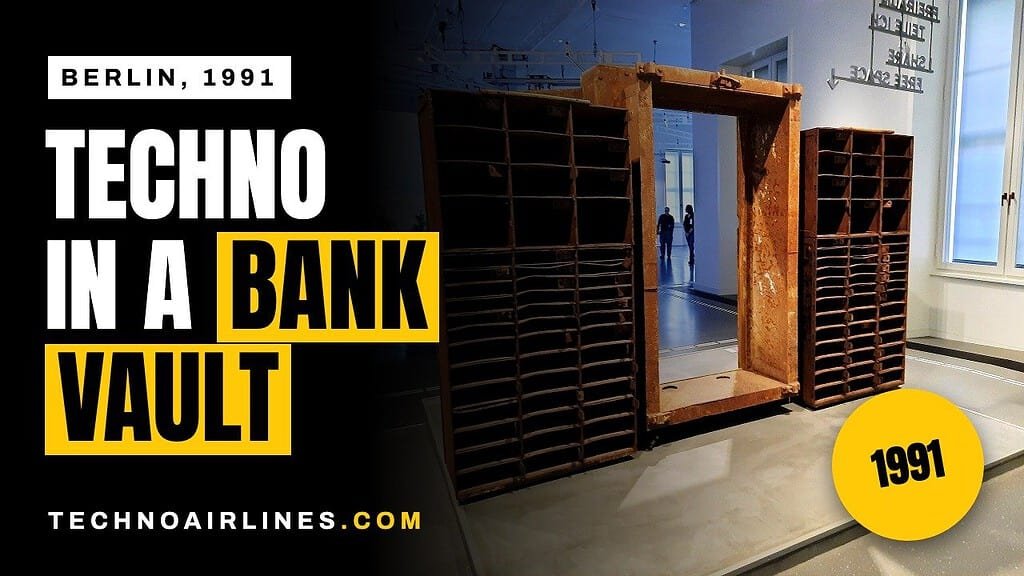
How Berlin Techno Started in a Bank Vault is a 6 minute 42 second documentary from Techno Airlines, free to watch on YouTube. It follows Berlin from the fall of the Wall in November 1989 to the night of 13 March 1991, when about 500 people squeezed into the old Wertheim department store vault for the opening of Tresor, and on to the Berghain door and the dog biscuit factory that became Sisyphos.
Below you will find the film, a chapter guide with timestamps, a timeline of every date it mentions, the places you can still visit and the full narration as text.
The documentary at a glance
| Runtime | 6 minutes 42 seconds |
|---|---|
| Released | 16 November 2026 on YouTube |
| Chapters | 7 |
| Period covered | 1949 to 2026 |
| Narration | English, with dubbed audio in six other languages including German, French, Spanish and Brazilian Portuguese |
| Where to watch | Techno Airlines on YouTube, free |
Chapters and timestamps
Each timestamp opens the film on YouTube at that point.
- 0:00 A locked room: Three friends, a room nobody had opened in forty years, and what they found inside.
- 0:21 The Wall, 1989: Empty buildings in the east, no closing time since 1949 and the first Love Parade behind a truck.
- 1:17 The Vault: Tresor, 1991: UFO closes, the Wertheim vault is found under the border strip and Tresor opens on 13 March 1991.
- 2:37 Detroit: where the music came from: The Tresor label starts with X-101 from Detroit, the vault closes in 2005 and the club moves to a power plant.
- 3:39 The Door: Berghain: From Ostgut to Berghain: the 18 metre main room, the camera stickers and the 2016 tax ruling.
- 5:00 The Factory: Sisyphos: An 1894 dog biscuit factory that has run as a club since 2009, named best in Europe by Time Out in 2026.
- 5:38 Berlin techno today: Berlin techno joins the national heritage list on Tresor's 33rd birthday, while four in ten clubs report losses.
Timeline: every date in the film
Places from the film you can still visit
| Place | In the film | Today |
|---|---|---|
| Tresor | Opened in the Wertheim vault on 13 March 1991 | Since May 2007 in a former power plant in the centre of Berlin, with some of the old safe deposit boxes |
| Humboldt Forum | Home of the original Tresor vault door | On display in the museum |
| Berghain | Former power plant from the 1950s, opened in late 2004 | Open weekends, no photos, camera stickers at the door |
| Sisyphos | Dog biscuit factory from 1894, a club since 2009 | Friday night to Monday morning, five dance floors including the outdoor beach |
Full transcript
The complete English narration, split by chapter. Timestamps link to the same moment in the video.
A locked room (0:00)
In 1991, three friends in Berlin walked into a room that nobody had used for more than forty years. It was a bank vault. Cold, dark, and full of rust. They did not find money. They found the room that changed dance music. This is the story of how Berlin became the techno capital of the world.
The Wall, 1989 (0:21)
To understand it, we go back to November 9th, 1989. The Berlin Wall falls. Suddenly, the east side of the city is full of empty buildings. Factories, power plants, bunkers, basements. Nobody is sure who owns them. And the police are not sure what is legal anymore. For young people from East and West, it is a playground. One more thing helps. West Berlin got rid of its bar curfew back in 1949. So when the two sides join, the whole city has no closing time. A party can go on as long as people keep dancing. There is one more sign of what is coming. A few months before the Wall falls, about 150 people dance behind a truck in West Berlin. They call it the Love Parade. Ten years later, an estimated one and a half million people come.
The Vault: Tresor, 1991 (1:17)
Now, the vault. A man named Dimitri Hegemann and his friends already ran a tiny illegal club in West Berlin, called UFO. It held about forty people. You got in by climbing down a ladder, through a hole in the floor. In 1990, UFO closed. They needed a new place. The story goes like this. One of them, Achim Kohlberger, is stuck in traffic, right next to the old border strip. He sees cold air coming out of a grate in the ground. Under it is the vault of Wertheim, once one of the biggest department stores in Europe. The store was bombed in the war, and later torn down. But the vault survived. Inside, they find hundreds of broken safe deposit boxes, and walls about one and a half metres thick. On March 13th, 1991, the club opens at midnight. They call it Tresor. In German, that means safe, or vault. They expect about two hundred people. More than five hundred come. It is dark, hot and loud. Sweat drips from the ceiling. The bar hands out beer through steel bars. One DJ, Tanith, has his own rule for sound. It is loud enough when the bass makes your trousers shake.
Detroit: where the music came from (2:37)
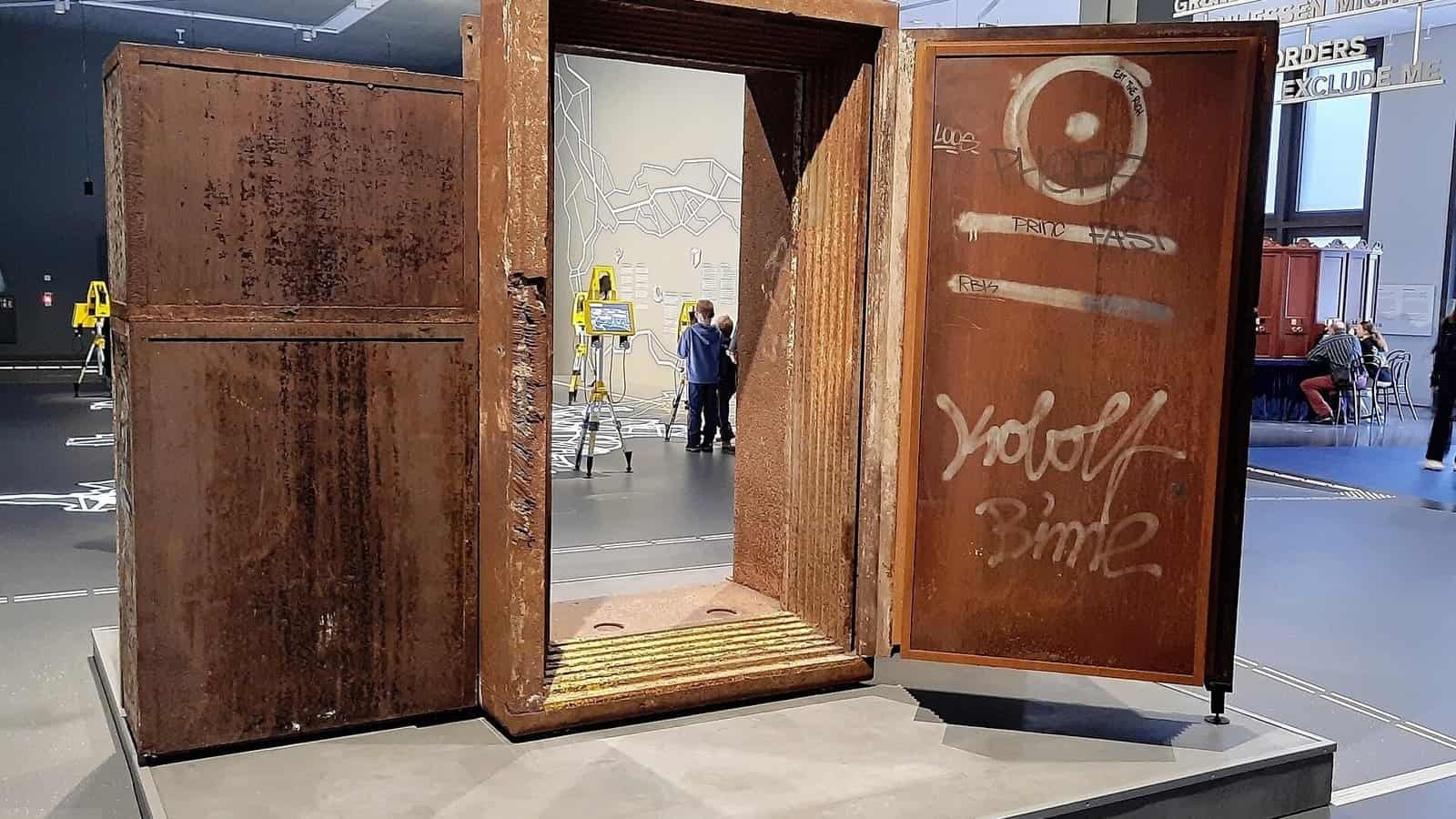
But the music does not come from Berlin. It comes from Detroit, in the United States. Black artists there created techno in the nineteen eighties. In 1991, Tresor starts its own record label. The first record is by X-101, a Detroit project with Jeff Mills, Mike Banks and Robert Hood. Soon, Detroit names like Jeff Mills, Blake Baxter and Juan Atkins are part of the Tresor family. A city of car factories meets a city of empty buildings. People call it the Berlin Detroit axis. In April 2005, the vault closes. The city sells the land, and an office building stands there today. But Tresor does not die. In May 2007, it opens again, inside a huge old power plant in the middle of Berlin. Some of the old safe deposit boxes move with it. And the original vault door? Today it is in a museum, the Humboldt Forum in Berlin.
The Door: Berghain (3:39)
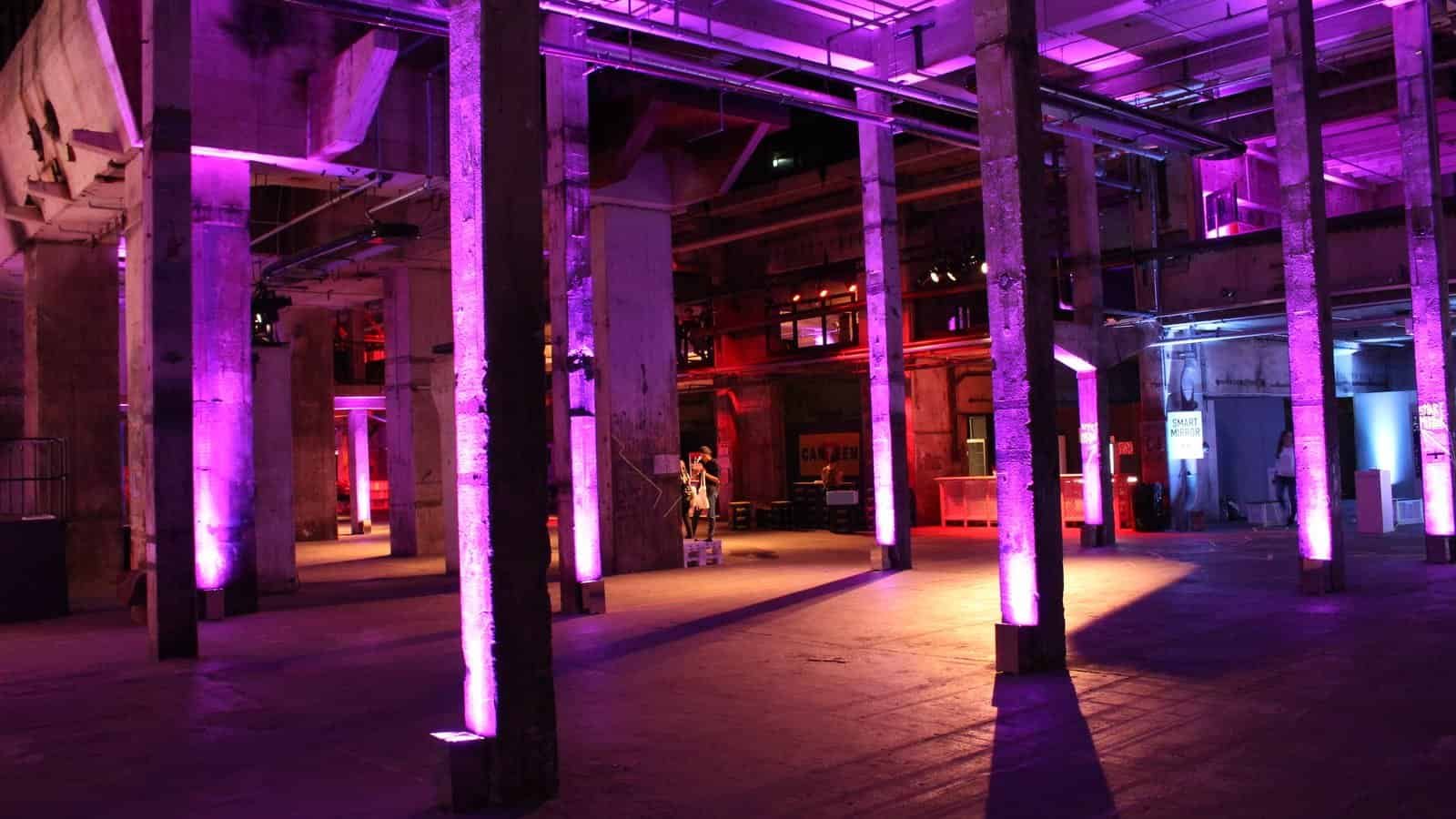
Now, to the most famous club door in the world. In 1998, a club called Ostgut opens in an old railway depot. In 2003 it has to go. The building is torn down for a big arena. The owners find something bigger. An old power plant from the nineteen fifties. They name it after two districts, Kreuzberg and Friedrichshain. Take the end of both names, and you get Berghain. It opens in late 2004. The main room is 18 metres high. That is like a six floor building. The rules are simple. No photos. No videos. At the door, they put a sticker on your phone camera. Inside, the toilets have no mirrors. The party starts on Saturday night, and often ends on Monday morning. And then, there is the door. The head doorman, Sven Marquardt, is also a photographer. He even has a small role in John Wick 4. Nobody knows exactly who gets in. In 2016, TV host Conan O'Brien came with a camera crew. The answer was no. The same year, a German court said something that sounds like a joke. Berghain's club nights are culture, like a concert. So tickets get the lower tax rate. Seven percent, not nineteen.
The Factory: Sisyphos (5:00)
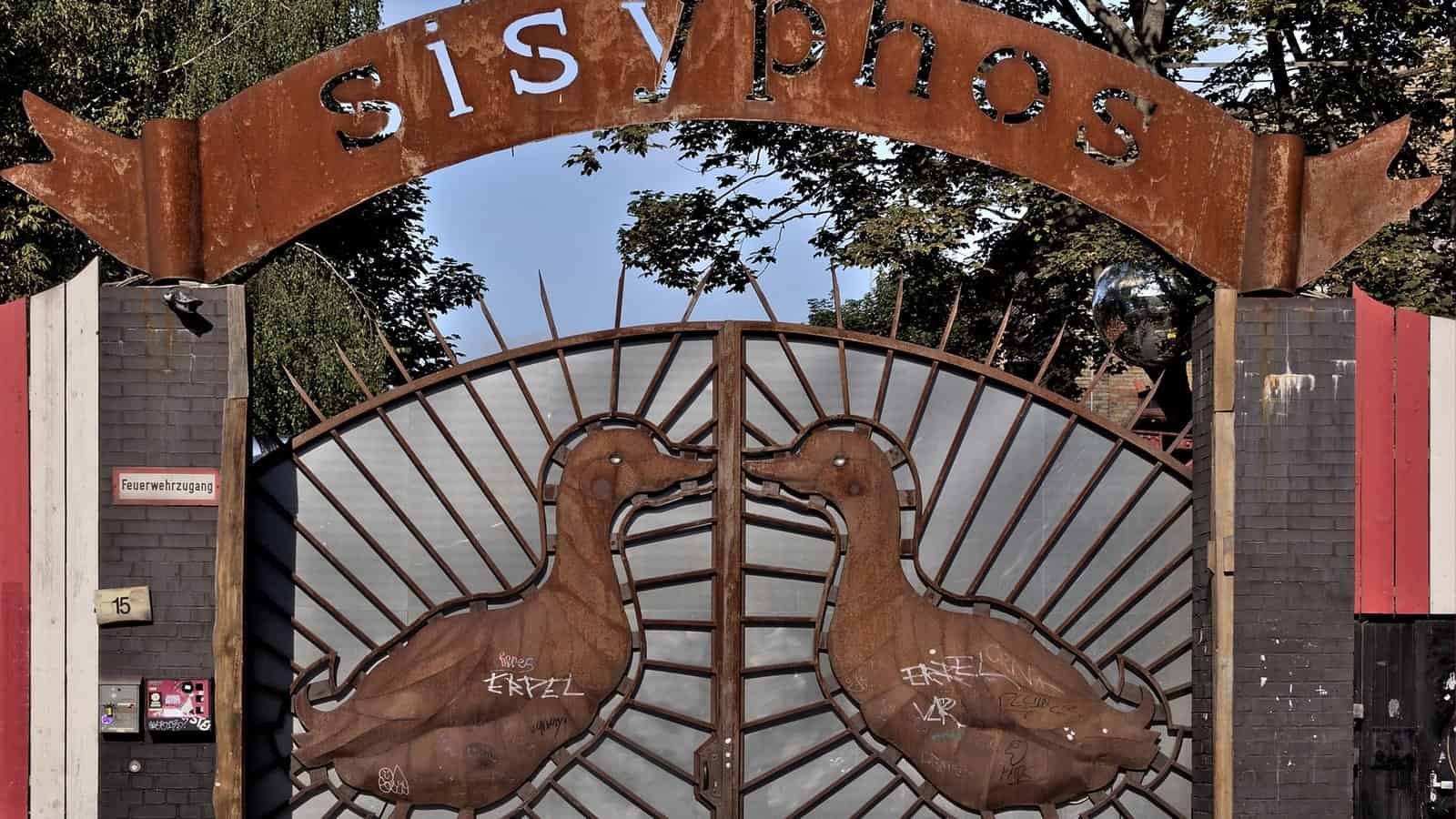
Our last stop looks nothing like a dark power plant. In the east of the city, there is an old factory with the year 1894 on the wall. For almost a hundred years, it made dog biscuits and animal food. Since 2009, it has been a club called Sisyphos. It opens on Friday night and closes on Monday morning. No break. There are five dance floors. One of them is outside, and it is called the beach. In September 2026, Time Out named it the best nightclub in Europe. They wrote that it runs like a permanent summer festival.
Berlin techno today (5:38)
So, what is Berlin techno today? On March 13th, 2024, Germany added Berlin techno culture to its national list of cultural heritage. Look at the date. March 13th. Exactly 33 years after Tresor opened its door. But the story is not only happy. In 2026, the city's club association said four in ten clubs ended last year at a loss. The empty buildings that started it all are not empty anymore. Still, every weekend, the lights go off, the bass comes on, and somewhere in Berlin, a door opens.
The TA view
What the film makes clear is that Berlin techno grew in a gap: a city where nobody knew who owned the buildings and nothing had to close. That gap is narrowing, which is why the 2024 heritage listing and the 2026 club losses sit side by side at the end. If you go, start with Tresor, the one club in the story that has moved, survived and kept its name since 1991.
Frequently asked questions
Where can I watch the Berlin techno documentary?
It is free on the Techno Airlines YouTube channel and embedded at the top of this page. The film runs 6 minutes 42 seconds, has seven chapters and offers dubbed audio in six other languages, including German, French and Spanish, through the YouTube audio track menu.
Why is Berlin techno connected to Detroit?
The music itself came from Detroit, where Black artists created techno in the 1980s. When Tresor started its record label in 1991, the first release was by X-101, a Detroit project with Jeff Mills, Mike Banks and Robert Hood, and Detroit artists such as Juan Atkins and Blake Baxter soon joined the Tresor family. People call it the Berlin Detroit axis.
Is the original Tresor vault still there?
No. The vault closed in April 2005, the land was sold and an office building stands there today. Tresor reopened in May 2007 inside a former power plant in central Berlin, and the original vault door is now in the Humboldt Forum museum.
Why are Berghain club nights taxed like concerts?
In 2016 a German court ruled that Berghain's club nights are culture, like a concert, so tickets qualify for the reduced VAT rate of 7 percent instead of 19 percent.
Read and watch next
- How Berlin techno started in a bank vault: the long read with sources
- Berlin techno clubs guide: door rules, prices and photos
- How to get into Berghain
- Ibiza documentary: how a quiet island became the party capital
- Detroit techno documentary: how three friends invented techno
- All Techno Airlines documentaries and videos
Image and footage credits: Photos via Wikimedia Commons: Robert Hösle, Fridolin freudenfett, JonathanCross, Antonio castello, Ago76, Mike Hughes, Gerd Danigel, Rubens Ben, MakeMagazinDE, Gunnar Klack, Babewyn, Rio65trio, Ansgar Koreng, Lanisha Cole (CC BY-SA 4.0); Sylla, Vietinghoff, Lesekreis, foldscheap (CC0); SSGT F. Lee Corkran, Ago76, Waldemar Franz Hermann Titzenthaler, Wschmock, MichaelBrossmann (Public domain); Traumrune, Roehrensee, ProtoplasmaKid, Jo Vert (CC BY-SA 3.0); Renate Hildebrandt, DennisHH (CC BY 3.0); GillyBerlin, Michael Mayer, Alberto Cabello, Oh-Berlin.com, Ben Kaden, Gerrit Burow, Flickr user, abbilder, Billie Grace Ward, Arnold Jaeger Werner (CC BY 2.0); Gregor Fischer / re:publica, Angie Linder, Mitch Altman (CC BY-SA 2.0); Vyacheslav Argenberg, Lear 21 (CC BY 4.0). Club footage is illustrative. The thumbnail uses images from the same sources.