Techno Curiosities: 10 Questions Fans Always Ask About Their Favourite DJs
What happened to Black Coffee's hand, did Carl Cox really play New Year's Eve twice and what does Keinemusik mean? The first part of Techno Curiosities answers the questions fans always ask.

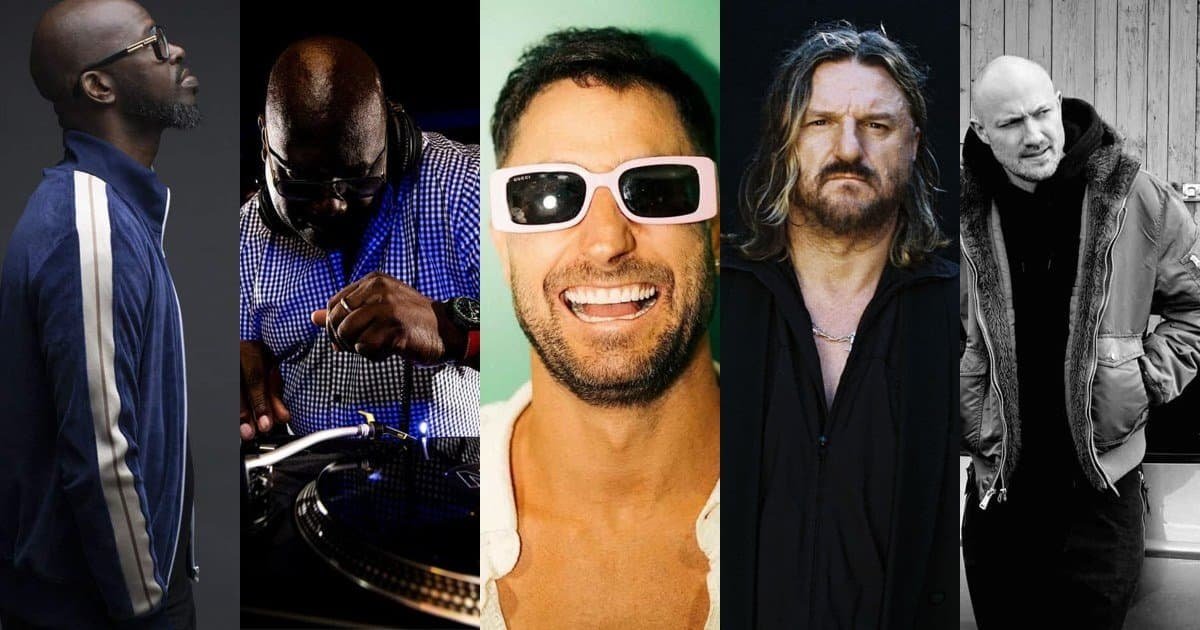
Some questions follow certain DJs around for years. They come up in comment sections, on the smoking terrace and in the search bar at 4am. This is the first part of Techno Curiosities, a ten-part series where we answer them properly, with sources, photos and the videos that tell the story best.
We have left out the basics like age, real name and where someone is from, because every artist page on the site already covers those. These are the stories behind them.
1. What happened to Black Coffee’s hand?
On 10 February 1990, a 14-year-old Nkosinathi Maphumulo was at a street party in Mthatha celebrating Nelson Mandela’s release from prison. A car drove into the crowd with its headlights off. The crash damaged his brachial plexus, the network of nerves that connects the arm to the spine, and left his left arm paralysed.
He spent around three months in hospital in Durban and later regained roughly 40% of the feeling in the arm. The damage cannot be repaired with surgery, so he learned to mix with one working hand. In 2022 he told the full story on The Diary of a CEO: “This driver switched off his lights to kill people.” The same man went on to win a Grammy in 2022 for Subconsciously.
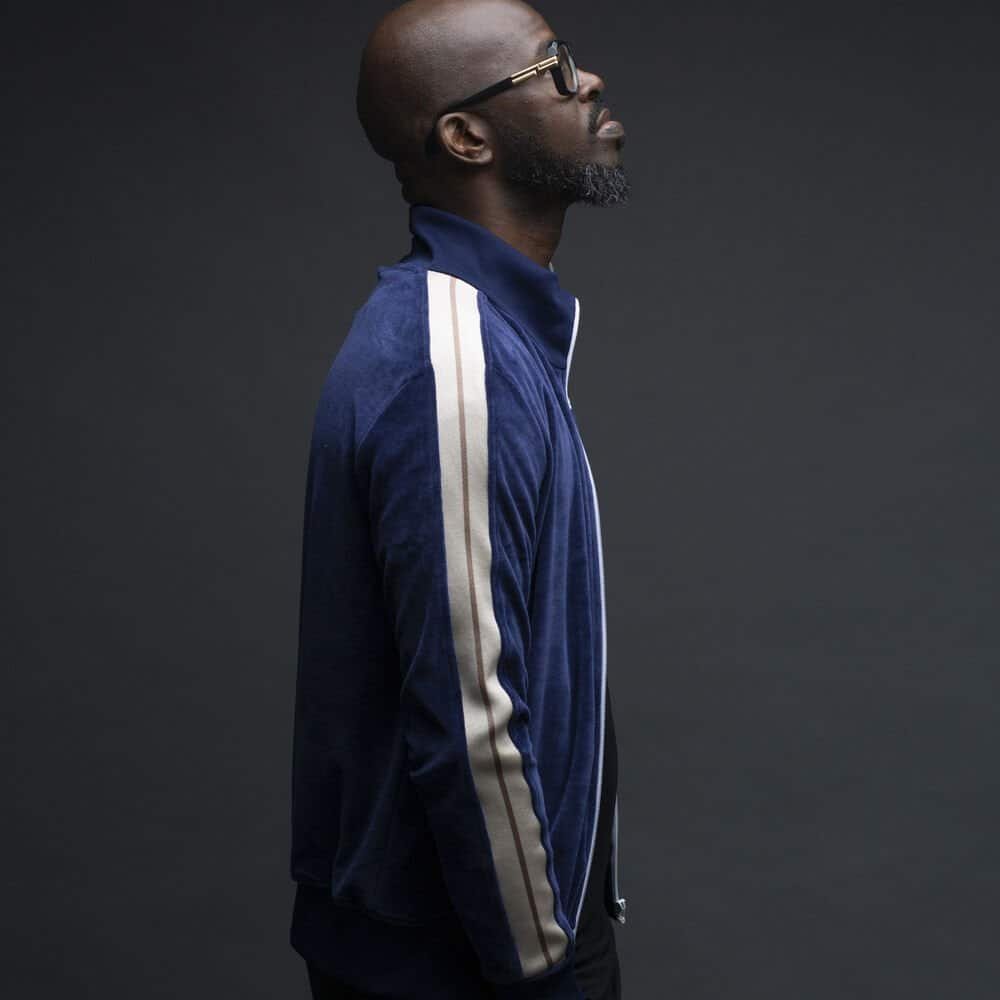
Not to be confused with January 2024, when severe turbulence on a flight to Argentina forced an emergency landing in Montevideo and he cancelled several shows. We covered that here. More on the artist: Black Coffee.
2. Did Carl Cox really play New Year’s Eve twice?
Yes. For BBC Radio 1’s millennium coverage, Carl Cox played the midnight set at Bondi Beach in Sydney as 1999 turned into 2000. He then got on a plane, flew back across the International Date Line and landed in Honolulu with time to spare, where he played the countdown to 2000 all over again.
He has told the story many times since, including in a 2012 Q&A with The Guardian. Radio 1 filmed the whole trip. Pete Tong narrates the documentary, and the short cut below shows the race against the clock.
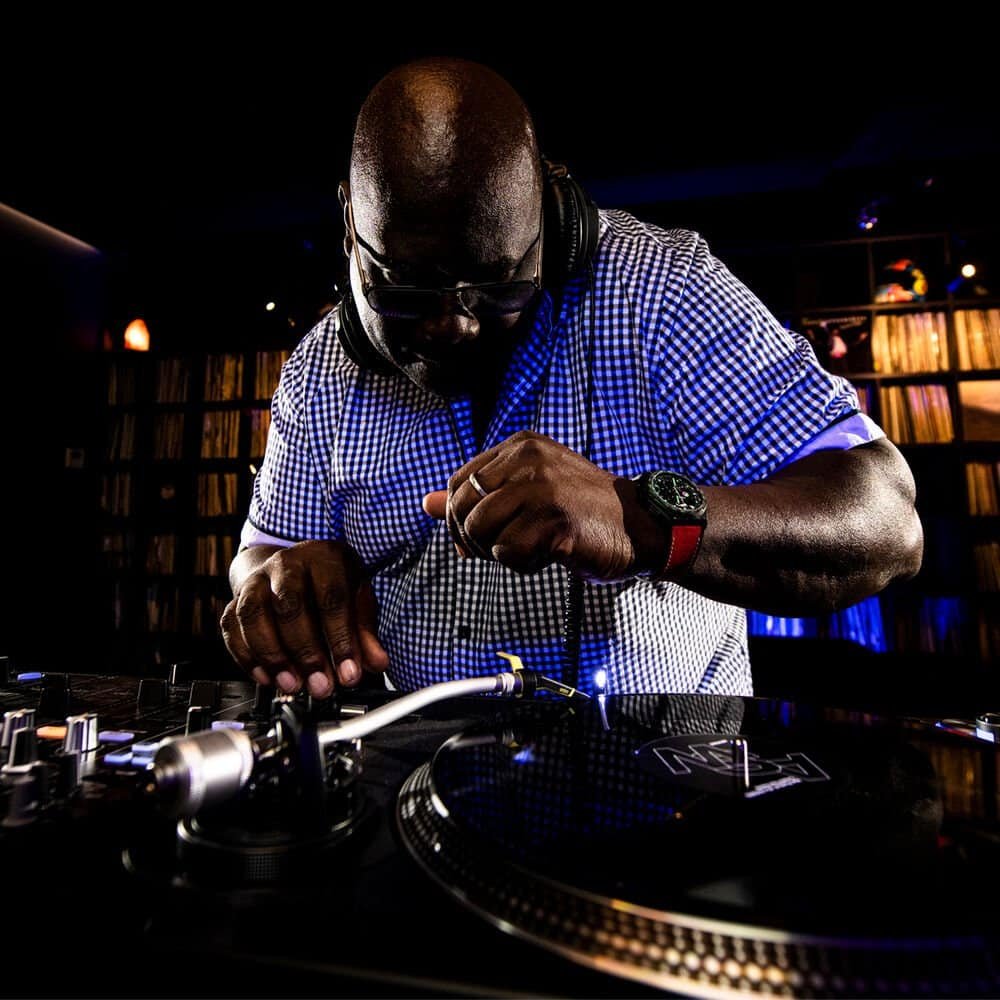
More on the artist: Carl Cox.
3. Was FISHER really a professional surfer?
He was. Paul Fisher grew up on the Gold Coast and spent several years on surfing’s World Qualifying Series, the tier just below the world championship tour. Music started as a side project on that circuit: with fellow surfer Leigh Sedley he formed the DJ duo Cut Snake while they were travelling between contests.
Around 2012 he left competitive surfing to focus on music. Six years later, Losing It went to number one on the US Dance Club Songs chart and was nominated for a Grammy. The cheeky surfer energy never went away, and that is a big part of why his shows feel like a beach party in a warehouse.
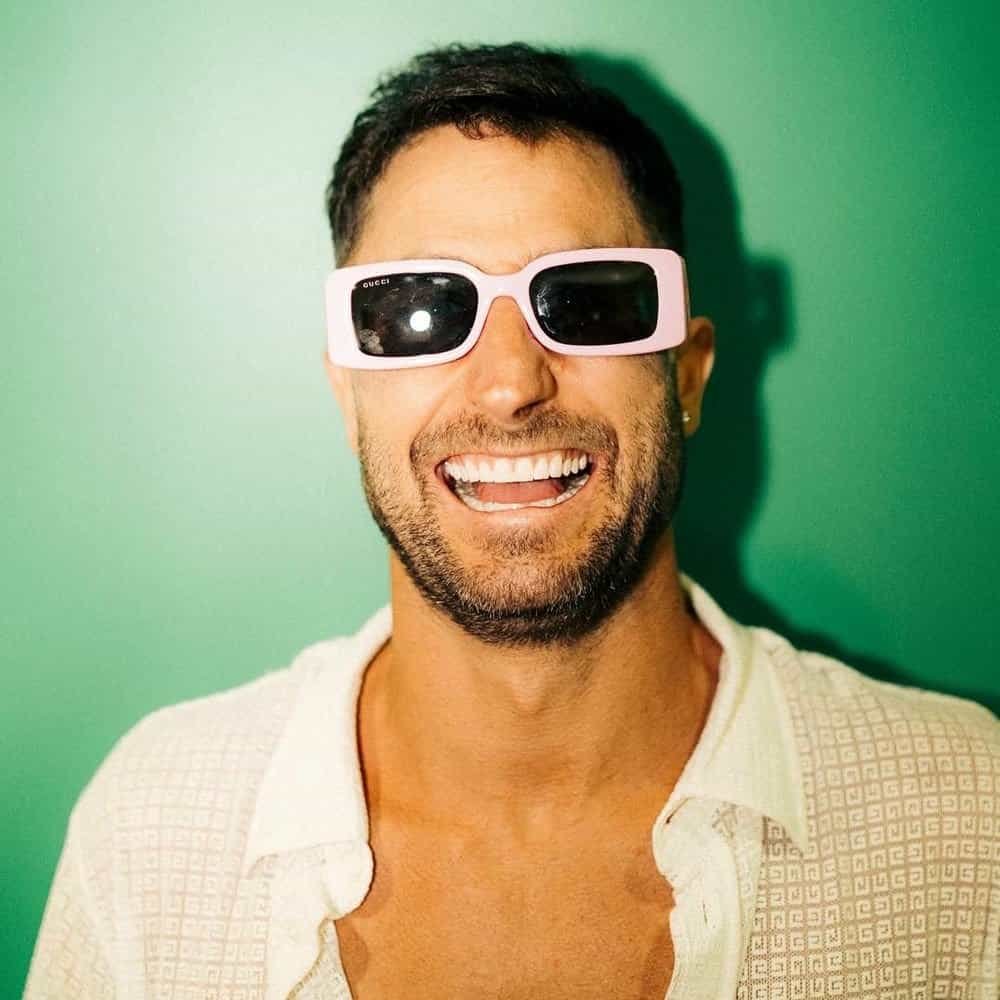
More on the artist: FISHER.
4. What does Keinemusik mean?
It is German for “no music”. That is a funny name for a group whose records are everywhere from Tulum to the Ibiza terraces. The Berlin collective has been running since 2009. Rampa, &ME and Adam Port are the DJs everyone knows, with Reznik on visuals and design and Monja behind the scenes.
The group has never given one official explanation of the name, so treat any neat origin story you read online with care. What is clear is the attitude: a crew that started in a Kreuzberg studio and built its own label, look and parties outside the usual industry route.
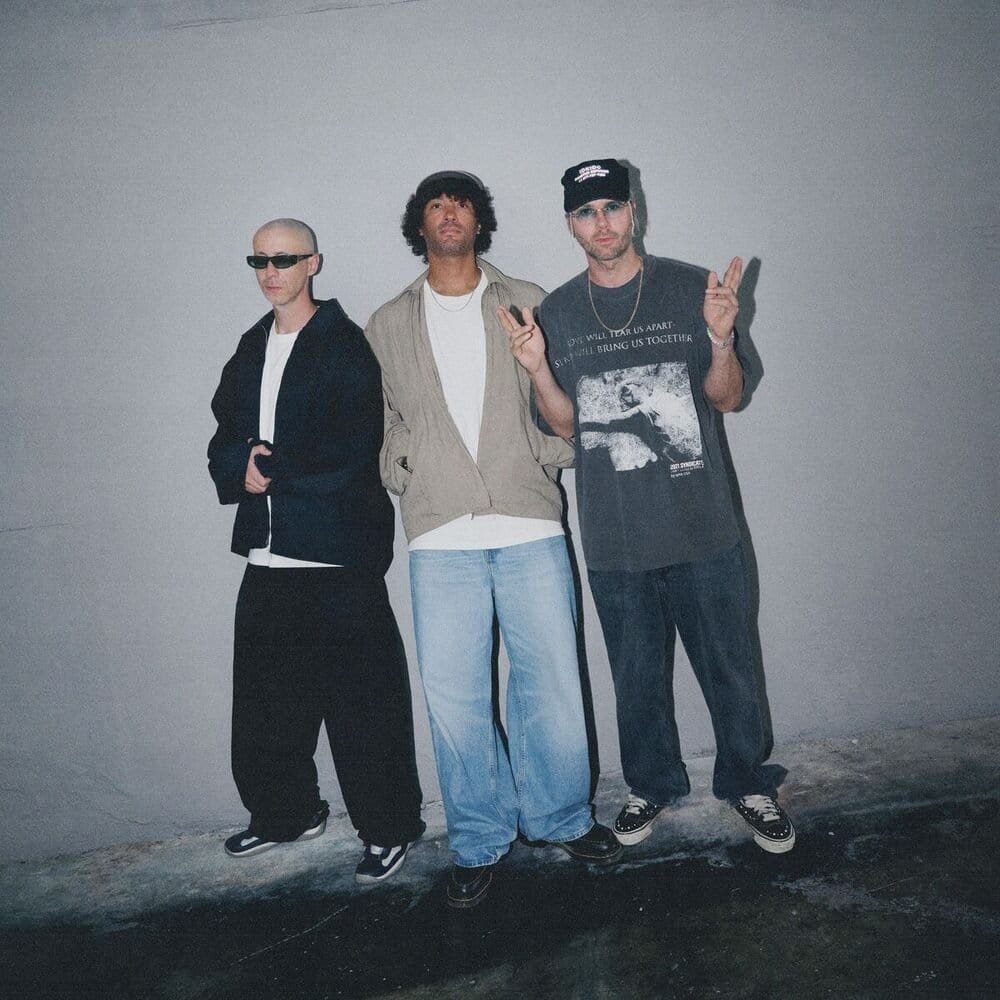
More on the collective: Keinemusik.
5. What is Solomun +1?
It is Solomun’s answer to the crowded festival bill. Each night he invites one guest, someone who inspired him, and the two of them share the whole night. They play equal time and usually go back to back for the second half. At Pacha Ibiza the booth even moves to the middle of the dancefloor for it.
The idea came from frustration. “60-90 minutes is not enough to really take the audience on a journey,” he told Rolling Stone UK, at a time when promoters were squeezing as many names as possible onto every line-up. +1 started at Pacha on Sundays in 2012 and has since travelled to Berlin, New York, Tulum and Buenos Aires.
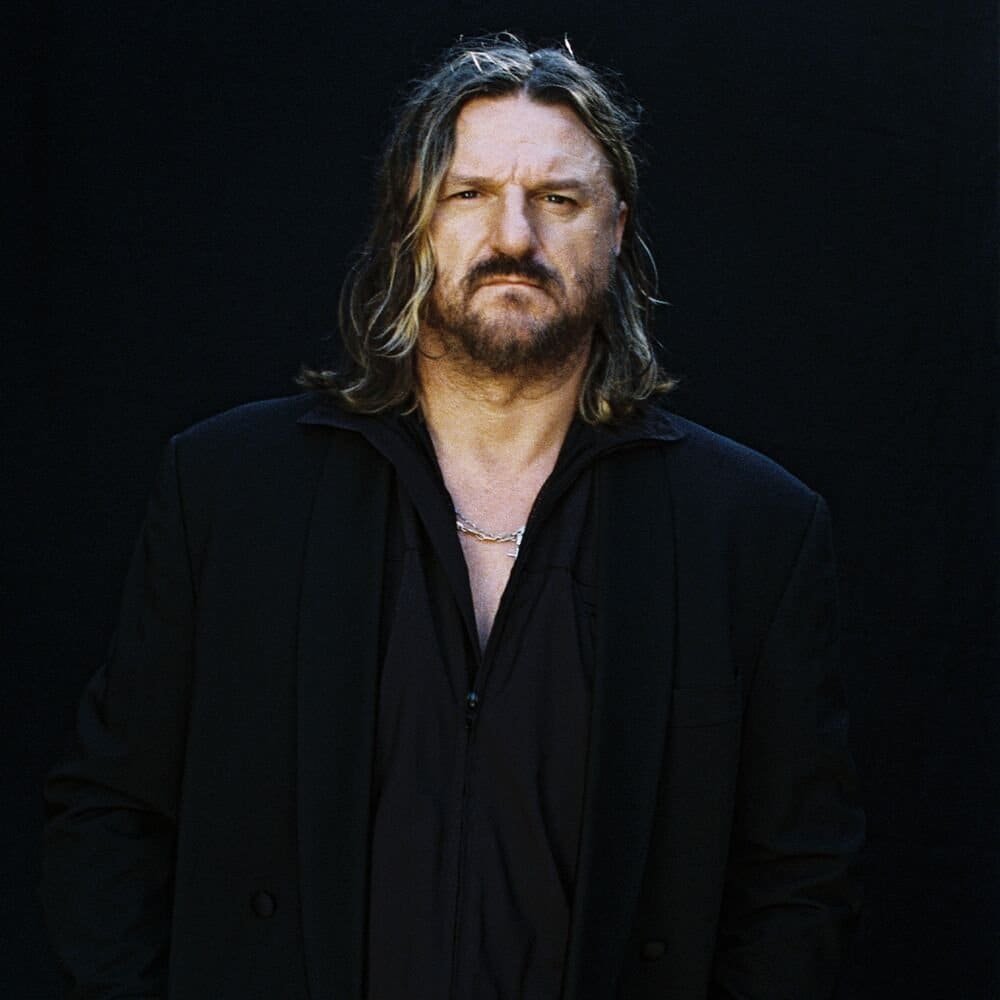
Read more: Solomun +1 returns to Pacha and Solomun.
6. Was Paul Kalkbrenner in a film?
He played the lead. In Berlin Calling (2008), written and directed by Hannes Stöhr, Kalkbrenner is Martin “Ickarus” Karow, a DJ and producer who ends up in a Berlin psychiatric clinic after a bad night on spiked pills, just as his album is due. Stöhr first asked him to make the soundtrack and then decided he should play the part himself.
The film premiered at Locarno and became a cult favourite. Its soundtrack did even better. Sky and Sand, which Paul made with his brother Fritz on vocals, stayed in the German charts for months, went platinum and became one of the defining Berlin anthems of its era.
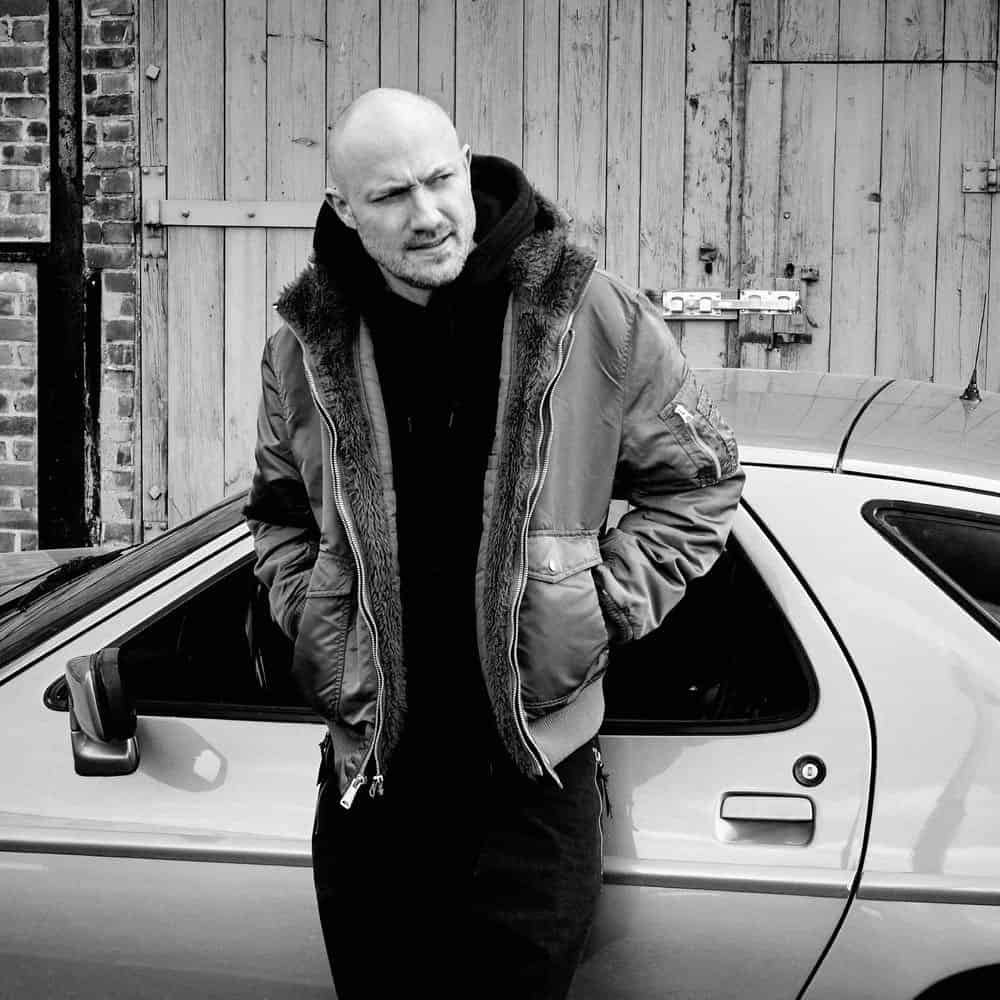
More on the artist: Paul Kalkbrenner.
7. Where does the word “techno” come from?
From a futurist’s book. In a high school class in Belleville, Michigan, Juan Atkins read Alvin Toffler’s The Third Wave (1980), which describes a new class of “techno rebels”. The phrase stayed with him, and his early electro track Techno Music took its name from it.
The word went global in 1988 with the UK compilation Techno! The New Dance Sound of Detroit on Virgin’s 10 Records imprint, compiled by Neil Rushton. Its working title was “The House Sound of Detroit”. Atkins, Derrick May and Kevin Saunderson pushed back, as they did not want to be filed as a regional version of Chicago house, so the record went out under the word they were already using.
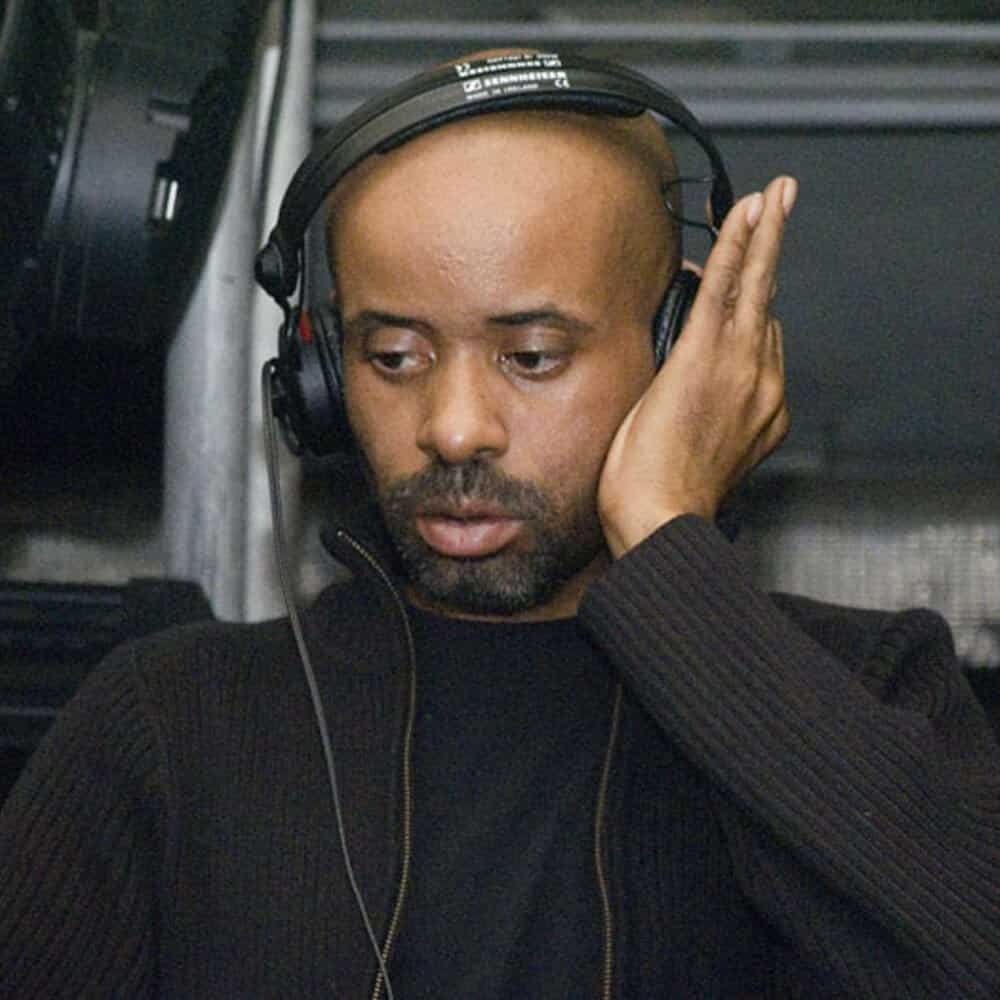
More on the artist: Juan Atkins.
8. Why do Underground Resistance hide their faces?
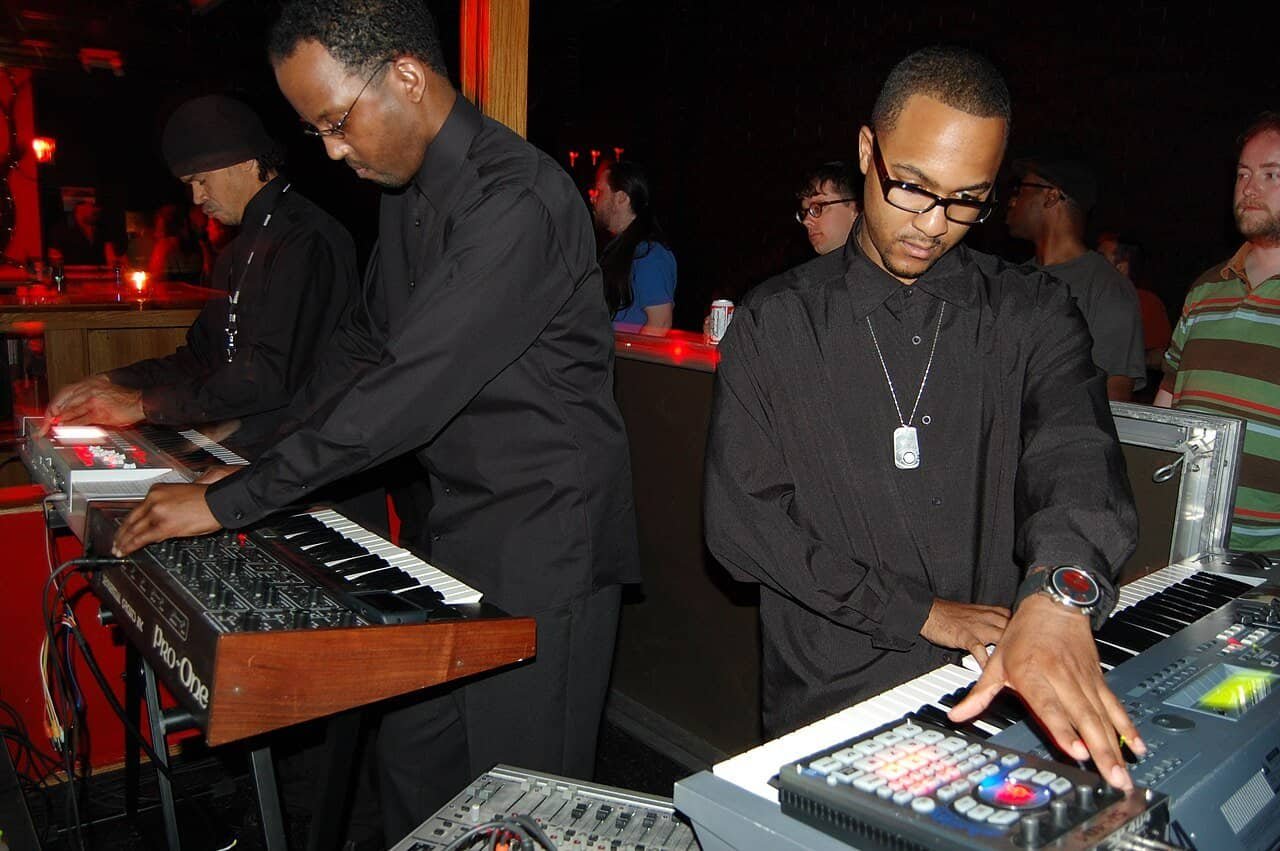
Underground Resistance was formed in Detroit in 1989 by “Mad” Mike Banks and Jeff Mills, with Robert Hood joining early. They appeared in balaclavas and black scarves behind a plain “UR” logo. That was a deliberate choice, not a gimmick.
The facelessness put the collective ahead of any one member and rejected the idea of the superstar DJ. It also signalled their independence from major labels, which they saw as exploiting Detroit’s Black musicians. In a city emptied out by the collapse of its industry, it was a political statement as much as an image. Mike Banks still avoids cameras and rarely gives interviews. The live line-ups that carry the UR name today, like the one below in 2010, are a different story.
More on the collective: Underground Resistance.
9. What does “ID – ID” mean in a tracklist?
“ID” stands for identification. When a tracklist says “ID – ID”, nobody knows, or nobody is saying, who made the track or what it is called. Most of the time it is an unreleased dub or promo the DJ is testing on a crowd before it comes out.
That is why the most shared moments in a set are often IDs: you are hearing a record months before anyone else. Tracklist sites such as 1001Tracklists keep them marked as ID until the track is released, and fans in the comments often crack them first.
10. Why do DJs wear headphones on one ear?
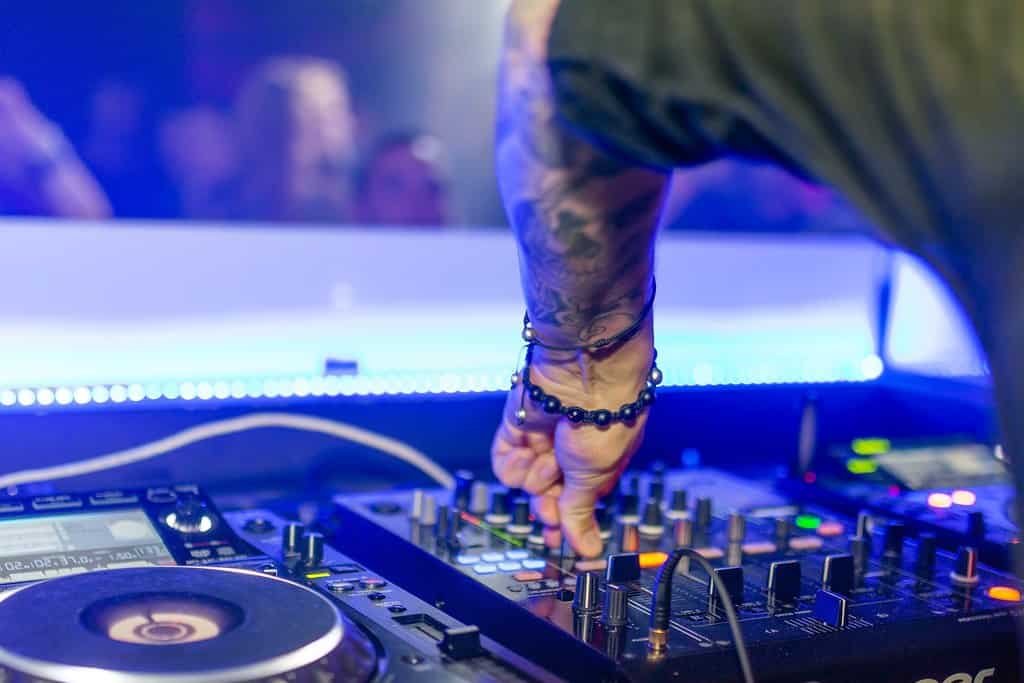
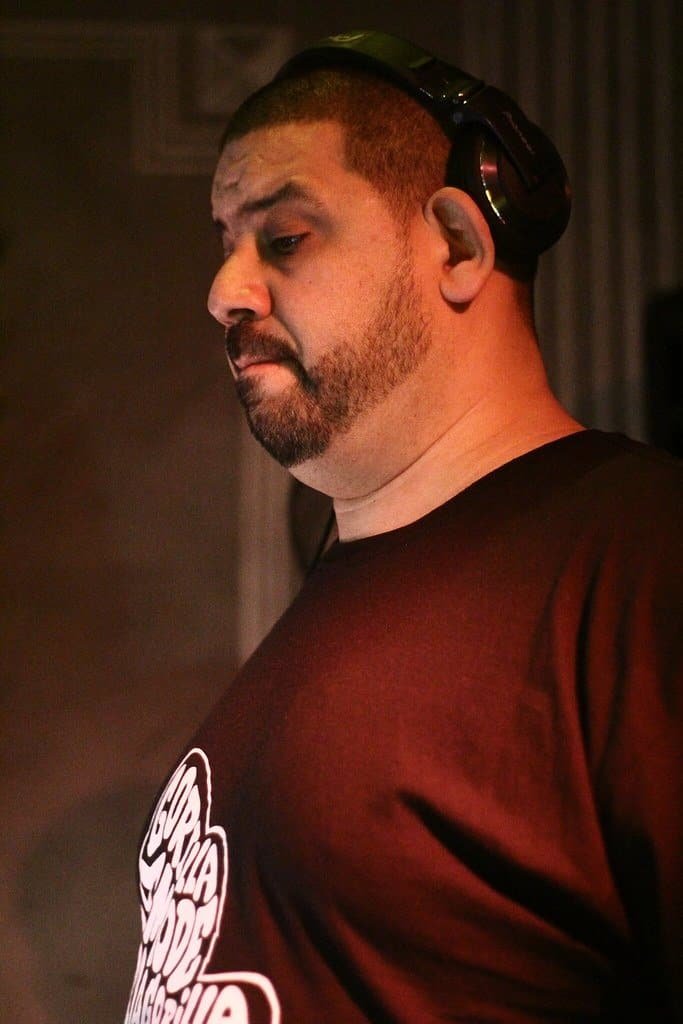
Because they are listening to two things at once. One ear is in the headphone, hearing the next track that only the DJ can hear. The other ear is open to the room or the booth monitor, hearing what the crowd hears. Matching the two by ear is how beatmatching works.
That is also why DJ headphones have cups that swivel, and why you will often see one cup pressed against a shoulder. Pull both cups on and you lose the room. Take them off and you are mixing blind.
The TA view
Most of these questions start out as gossip and end up as music history. A car crash in Mthatha, a long-haul flight over the date line, a sociology book in a Michigan classroom: each one explains something about the sound. Next in the series: masks and hidden faces, from Boris Brejcha’s joker to Daft Punk’s helmets.
Sources: IOL, Wikipedia (Carl Cox), Wikipedia (FISHER), Highsnobiety, Rolling Stone UK, Wikipedia (Berlin Calling), Wikipedia (Techno! compilation), Wikipedia (Underground Resistance).