Belgium’s Nightlife Crisis After Iconic Clubs Shut Their Doors
Belgium’s nightlife crisis face severe problems as iconic clubs like La Cabane, RESET, Fuse and Spirito shut down amid rising costs, strict regulations and political deadlock.

Belgium, long regarded as one of Europe’s most dynamic hubs for electronic music and late-night culture, is facing a deepening nightlife crisis.
A wave of club and bar closures across Brussels has raised alarm among artists, promoters, community organisations and urban policy experts. While nightlife demand remains strong, the sector’s structural foundations have become increasingly fragile, pointing to a broader cultural emergency that goes far beyond individual venues.
View this post on Instagram
A Shockwave of Closures
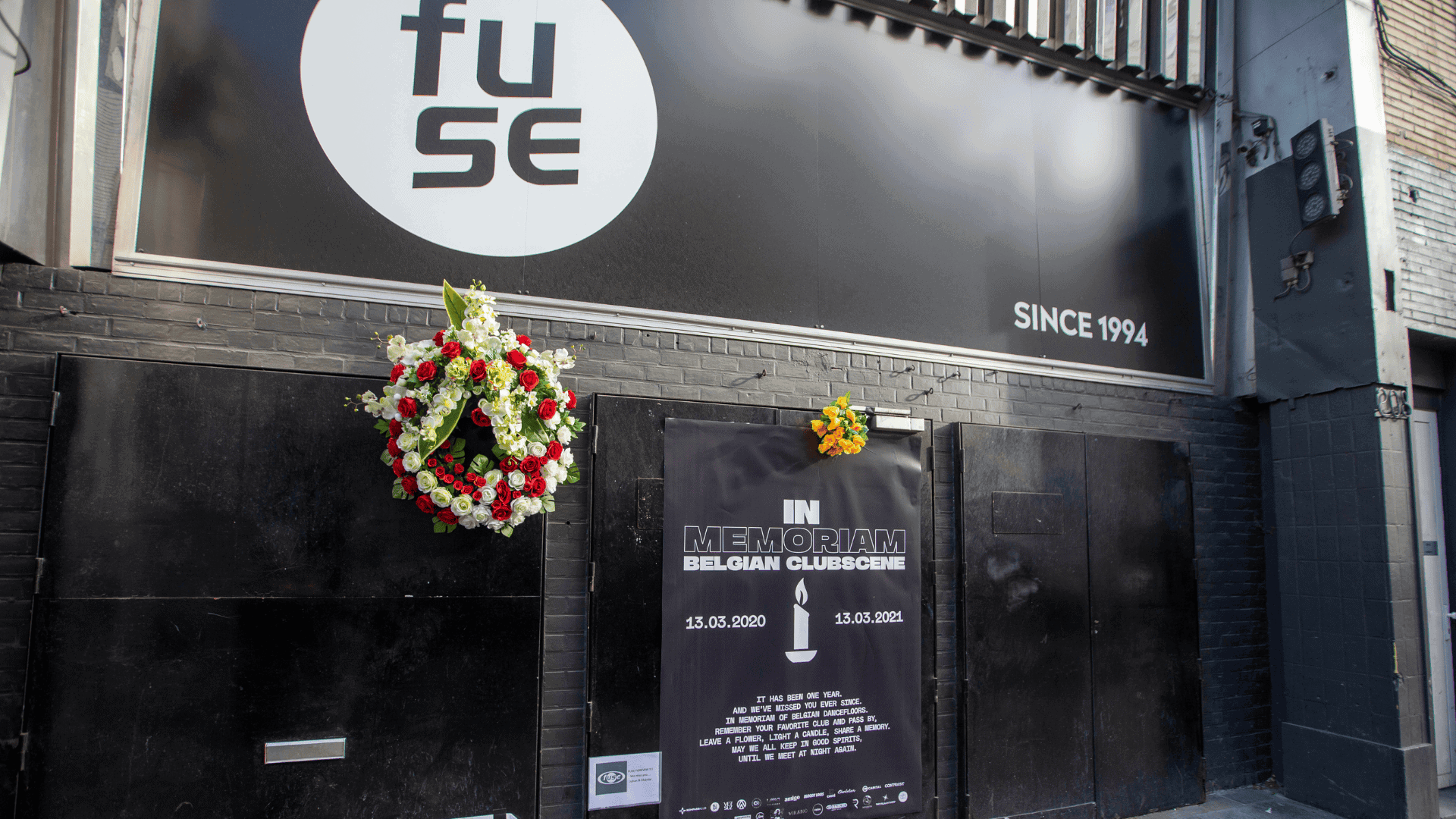
In just six months, Brussels has lost or is in the process of losing several cornerstone venues. Temporary club RESET, long-standing bar Bonnefooi, iconic venue Spirito, and the boutique club La Cabane have all closed or announced imminent closure. This follows the earlier upheaval around Fuse, the internationally renowned techno institution temporarily shut down in 2023 after a single neighbour’s noise complaint — an incident widely regarded as a turning point in the city’s nightlife politics.
View this post on Instagram
La Cabane, which opened six years ago in Watermael-Boitsfort, was especially symbolic. Known for its emphasis on high-quality house music and its intimate 300-capacity floor, it hosted more than 900 events and brought internationally respected artists such as Danilo Plessow (Motor City Drum Ensemble) to Brussels. Yet in November 2025, management conceded that the nightclub model had become “no longer sustainable,” citing rising costs, increasingly strict noise regulation, and diminishing financial margins. The space will now be repurposed for private events and exhibitions — a pattern seen in major European cities when nightlife can no longer survive regulatory and economic pressure.
RESET faced a similar fate. Operating in a historic former banking hall in central Brussels, the project suffered an 80% cut in public subsidies, making its large-scale cultural programming financially unviable. Despite strong community support and high attendance during its active periods, the costs of energy, staffing, safety compliance and building maintenance proved overwhelming.
View this post on Instagram
Structural Pressures: Regulation, Cost, and Political Stagnation
According to Brussels By Night, the city’s leading nightlife advocacy organisation, these closures are not isolated incidents but the visible effects of deeper structural problems. The organisation warns that the sector is “suffocating” under a combination of:
- Exploding operational costs (energy, staff, rent, insurance).
- Intensified inspections targeting security, noise and ventilation systems.
- Stricter rules on smoking areas and crowd management.
- A VAT increase on ticketing, reducing revenue margins.
- Cuts to cultural subsidies that once enabled safer and more inclusive nightlife programming.View this post on Instagram
One of the most significant political challenges is the 550-day governmental deadlock in the Brussels-Capital Region, which has stalled decisions on urban planning, health policy, noise regulation and cultural strategy. Nightlife, which sits at the intersection of these policy areas, has been particularly affected.
Nathan Pujadas, general coordinator of Brussels By Night, argues that institutions are unable or unwilling to take responsibility:
“Nightlife sits at the intersection of hospitality, health, culture and urbanism. As a result, institutions keep passing responsibility from one to another.”
Even the 2023 recognition of clubbing as intangible cultural heritage has not translated into protection. While symbolically important, it did not result in new funding streams, regulatory reforms or a coherent nightlife strategy.
Noise Complaints: Small Triggers, Large Consequences
Perhaps the most controversial issue remains noise regulation. Under current rules, a single complaint can jeopardise or suspend a venue’s permit — even when the venue has complied with sound limits and operated for decades. This happened with Fuse, where an individual living near a 40-year-old club was able to trigger its closure. The same pattern emerged with Le Lac, temporarily shut down after being denied permission to host events above 85 decibels due to one complaint.
Nightlife advocates argue this policy undermines cultural continuity and urban attractiveness, especially in districts long associated with music and nightlife.
View this post on Instagram
A Future at Risk
While Belgium continues to host major festivals, pop-ups and open-air events, stakeholders warn that temporary formats cannot replace permanent clubs — the backbone of a city’s cultural ecosystem. Rising production expectations, higher ticket prices, and risk-heavy operating models make running a club more precarious than ever.
Without meaningful political intervention — spanning tax policy, sound regulation, financial support and strategic urban planning — Belgium’s nightlife, particularly in Brussels, risks losing decades of cultural development. As Pujadas warns, “We were seen as non-essential during COVID-19. The situation seems to be repeating itself.”
Belgium now stands at a crossroads: either treat nightlife as essential cultural infrastructure or face the long-term erosion of one of its most influential creative sectors.